SkillOnNet Secures New Zealand License: PlayOJO to Enter New Market
 AI-GENERATED
SkillOnNet becomes one of 15 licensed operators in New Zealand, paying a license fee of 8.51 million dollars to operate legally under the new 2026 Act.
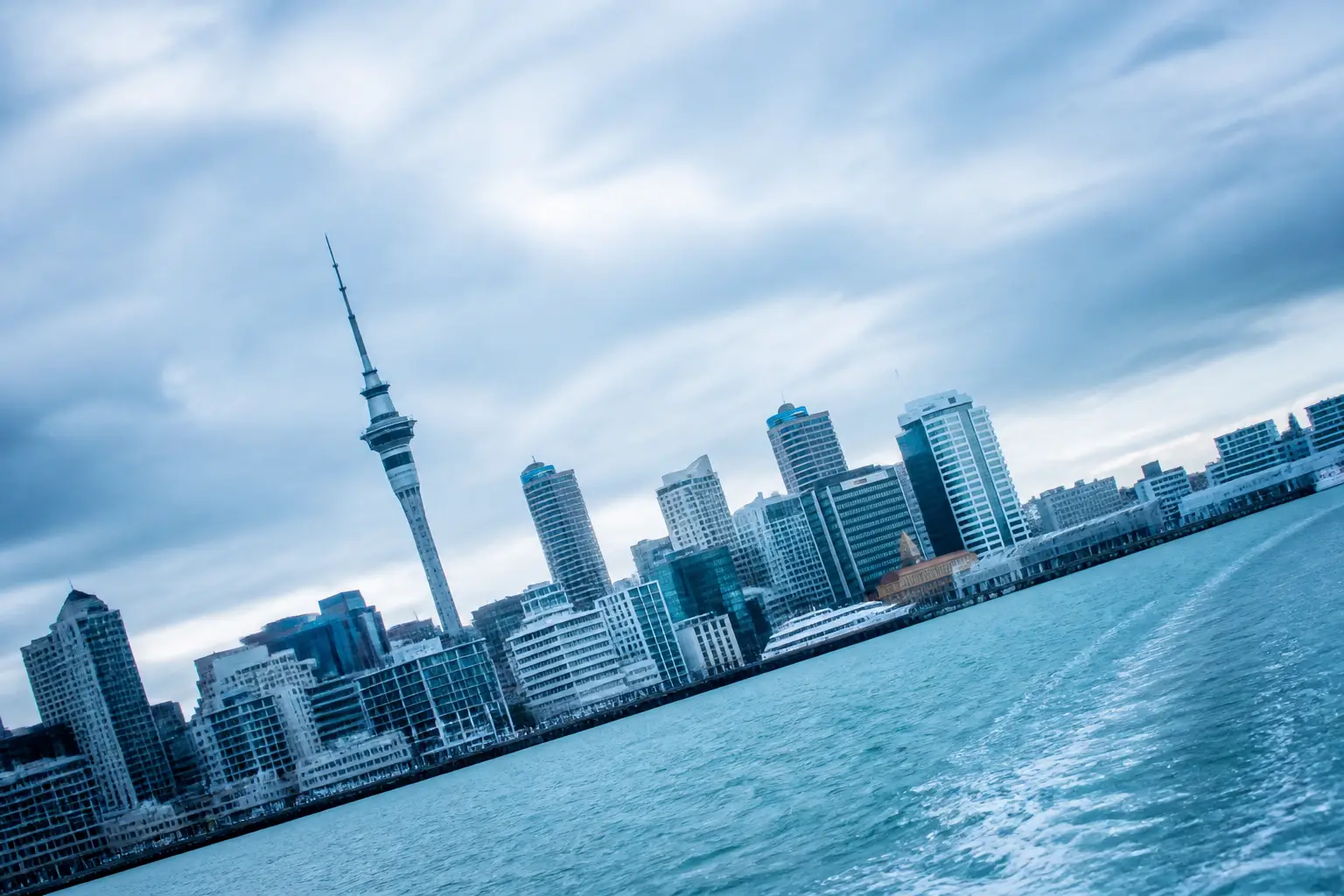
SkillOnNet is continuing its global expansion strategy by reaching a significant milestone in the Pacific region. The company has become one of the first gambling entities to receive official approval under New Zealand's new regulatory framework. With its PlayOJO brand, the group intends to actively shape the local online casino market. This step is strategically vital as the government in Wellington has strictly capped the number of operator licenses at 15. SkillOnNet secured the eleventh spot in the ongoing process.
Competition for market access was fierce. A total of 32 bidders submitted their documentation to participate in the selection process. SkillOnNet had to pay a substantial licensing fee of 8.51 million dollars to obtain the permit. Additionally, a non-refundable application fee of 10,780 dollars was required at the start. The new legislation, the Online Casino Gambling Act, came into force in May 2026 and serves as the foundation for a protected domestic market designed to prioritize player protection while generating tax revenue.
Numbers and facts
The economic dimensions of the New Zealand market are considerable. Estimates suggest that players from the island nation spend more than 770 million dollars (approximately 442.54 million US dollars according to additional economic data) annually with foreign providers lacking local licenses. To halt this drain, the new legislation introduces a 12 percent gaming duty. Furthermore, licensed operators must provide a community funding guarantee equivalent to 4 percent of their Gross Gaming Revenue (GGR). Authorities expect that between 10 and 20 million dollars will be generated for social causes in the first year alone.
Maor Nutkevitch, Head of Corporate Development at SkillOnNet, commented positively on the success:
"We are honoured to have secured the opportunity to participate in the next stage of New Zealand’s licensing process. If successful, it would be a testament to our extensive experience and proven track record in regulated markets around the world." - Maor Nutkevitch, Head of Corporate Development at SkillOnNet
Background
The regulatory process in New Zealand unfolded in several stages. After the licensing process officially launched in July 2026, only four vacant spots remained in the quota following the allocation to SkillOnNet. The Department of Internal Affairs has set clear deadlines: operators who have not applied for a license by December 1, 2026, must cease offering online casino services to New Zealand customers. Non-compliance could lead to severe fines of up to 5 million New Zealand dollars. With this move, SkillOnNet strengthens its global footprint, now holding 16 licenses across regions including the United Kingdom, Germany, and the Canadian provinces of Ontario and Alberta.
In tandem with this expansion, the company is refining its portfolio. Collaborations with providers such as Games Global, Amusnet, ODDSWork, and Konami aim to ensure that a diverse program is available in New Zealand. A specific focus lies on progressive jackpots and local content tailored to regional player preferences. The full operational launch of the new licensing system in New Zealand is expected in 2027, with transitional provisions already defining the current legal framework.
Why it matters for German players
For German casino fans, the licensing in New Zealand does not directly change their daily gaming routine, but it demonstrates a global trend toward strict regulation. SkillOnNet is already listed on the official whitelist of the Gemeinsame Glücksspielbehörde der Länder (GGL). In Germany, extremely strict rules apply to these providers, as stipulated in the State Treaty on Gambling 2021 (GlüStV 2021). These include the monthly deposit limit of 1,000 euros across all providers and the stake limit of a maximum of 1 euro per round on virtual slot machines.
German players benefit from the fact that companies like SkillOnNet gain experience in highly regulated markets. Compliance with player protection measures, monitored by systems like LUGAS and OASIS, has become standard for operators with an international focus. Anyone playing in Germany should strictly ensure they only use providers with a GGL license to guarantee legal security and protection against gambling addiction. Illegal providers from Curacao or Malta often lack these protections and operate without a legal basis in Germany.
What it means for GGL-licensed casinos
For operators with a German GGL license, the New Zealand case illustrates that competitive pressure at the international level is increasing. Licenses worldwide are becoming more expensive and tied to stricter social requirements. The focus on harm minimization and consumer protection, emphasized by New Zealand's 2026 regulations, mirrors the German philosophy. Casinos must upgrade technically to precisely implement age verification and advertising restrictions. While this increases operating costs, it secures the long-term stability of the legal market against the black market.
Frequently asked questions
How many licenses is New Zealand issuing in total?
The New Zealand government has capped the number of online casino licenses at 15. SkillOnNet secured the eleventh of these coveted spots.
How much does a license in New Zealand cost?
SkillOnNet paid a license fee of 8.51 million dollars to secure the contract. Additionally, a non-refundable application fee of 10,780 dollars was due.
Which brand will SkillOnNet use in New Zealand?
The company plans to enter the New Zealand market primarily with its well-known PlayOJO brand. PlayOJO is intended to become one of the leading online casinos there.
What penalties do unlicensed providers face?
Operators who continue to offer services in New Zealand without a local license risk fines of up to 5 million New Zealand dollars and potential total exclusion from the market.
Is SkillOnNet also legal in Germany?
Yes, SkillOnNet holds an official license from the Gemeinsame Glücksspielbehörde der Länder (GGL) and is on the whitelist. This means German players can play there legally under the State Treaty on Gambling 2021.
Share
About the author

Lisa Lustich
Editor-in-chief & casino tester
Lisa Lustich has been testing German-language online casinos since 1997 and runs the Lustich.de newsroom. More than 400 published reviews, certified player-protection advisor (BZgA training, 2019).
All articles by Lisa Lustich →Sources & further reading
Whitelist of permitted online operators
Editorial guidelines Lustich.de
BZgA problem-gambling helpline: 0800 1 372 700
Gambling can be addictive. Please play responsibly. Help and counselling at 0800 1 372 700 (BZgA, free & anonymous).
Related topics
Further Reading
 AI-GENERATED
Casper City Council Set to Vote on Strict New Gambling Zoning Rules
Following a 180-day moratorium initiated in July, Casper authorities are meeting on October 20, 2026, to restrict gambling to specific industrial and business zones.
 AI-GENERATED
Sports Integrity Expert Andy Cunningham Joins 2027 RTG Global Awards Judging Panel
The 2027 RTG Global Awards are doubling their scope to 12 categories, adding sports integrity specialist Andy Cunningham to the independent panel to tackle the black market.
 AI-GENERATED
Taiwan Blocks Access to Kalshi and Coinbase Over Illegal Election Betting
Taiwanese regulators have restricted access to Kalshi and Coinbase following court orders. Violations of election laws can result in up to 5 years in prison.