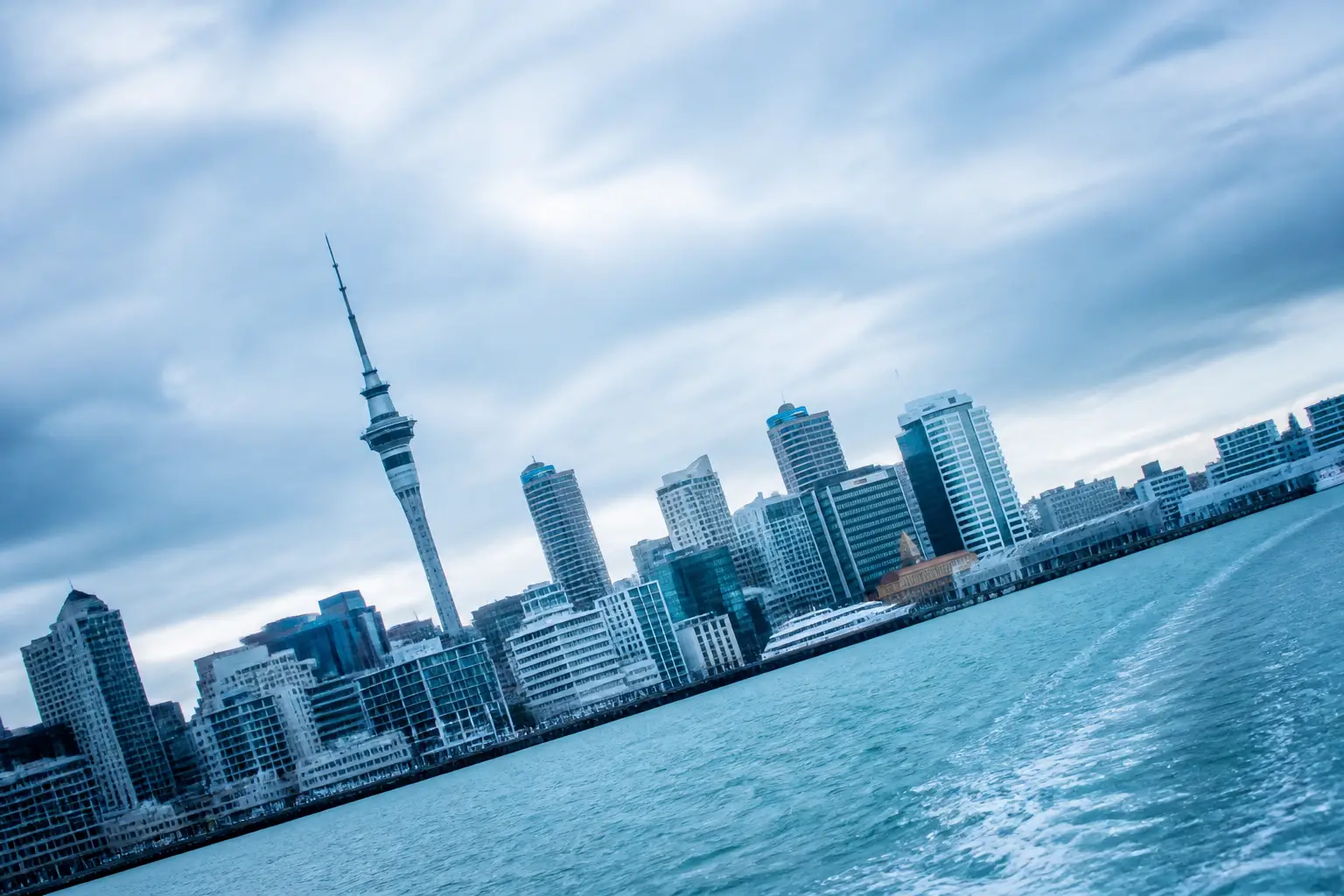
New Brunswick Reviews Online Gambling Models: End of Atlantic Lottery Monopoly?
 AI-GENERATED
The Canadian province of New Brunswick is exploring licensing private iGaming operators following a $8 million drop in lottery revenue.
Significant changes are brewing in the Canadian province of New Brunswick. The government is currently reviewing whether private online gambling operators should be granted licenses in the future. Until now, the Atlantic Lottery Corporation (ALC) has held an exclusive position in the legal online market. This monopoly could soon be a thing of the past as pressure from unregulated offshore websites and shrinking provincial coffers continues to mount. Finance Minister René Legacy announced that various models are being examined to keep pace with the ongoing evolution of digital gaming.
The current situation in the province is a stalemate. While national broadcasts feature advertisements from operators licensed in Ontario or Alberta, these companies are not officially permitted to operate in New Brunswick. Consequently, residents often turn to international platforms that are not regulated within Canada. Atlantic Lottery estimates that over C$250 million flows out of the Atlantic region annually into these sites, with not a single cent remaining in the region through taxes or fees. In New Brunswick alone, government lottery revenue has already dropped by approximately C$8 million compared to two years ago.
Numbers and facts
The economic necessity for re-regulation is backed by concrete deficits. A C$8 million decline in lottery revenue, coupled with the growth of the gray market, is forcing authorities to act. Ontario was the pioneer, opening its market to private companies on April 4, 2022. These firms must register with the Alcohol and Gaming Commission of Ontario. Alberta followed suit on July 13, 2026, starting with 22 approved sites. By October 13, 2026, the number of licensed sites in Alberta grew to 50, as unregulated operators were given the choice to obtain a license or leave the province.
Furthermore, there have been regulatory failures within the state-run entities themselves. In July 2026, the Financial Transactions and Reports Analysis Centre of Canada (FINTRAC) imposed significant penalties. The New Brunswick Lotteries and Gaming Corporation was fined C$399,712.50 (approximately US$289,400) for failing to report suspicious transactions that could indicate money laundering or terrorist financing. The Nova Scotia Gaming Corporation was also fined C$231,826. These incidents weaken the argument that a state monopoly automatically ensures higher security standards.
Background
The Atlantic Lottery Corporation is a Crown corporation jointly owned by New Brunswick, Nova Scotia, Prince Edward Island, and Newfoundland and Labrador. Since decisions regarding the legal framework rest with the respective provincial governments, New Brunswick is now the next candidate for liberalization. Finance Minister René Legacy emphasized the need to adapt to the market:
"Online gaming is continuously evolving and the number of options, regulated and unregulated, continues to grow." - René Legacy, Finance Minister of New Brunswick
David Kelly, a spokesperson for the Finance and Treasury Board, stated that officials are closely monitoring developments in other jurisdictions. The goal is to maintain a safe, responsible, and appropriately regulated gaming environment for citizens. Experts like Michael Naraine from Brock University suggest that New Brunswick should even consider a partnership with Quebec to create a larger, more attractive market for licensees.
Why it matters for German players
For German tourists or expats in Canada, the situation is comparable to the debates surrounding the 2021 State Treaty on Gambling (GlüStV 2021) in Germany. While the Joint Gambling Authority of the States (GGL) ensures order and maintains a clear whitelist in Germany, parts of Canada still feature a regulatory patchwork. German players are accustomed to strict player protection measures, such as the cross-operator deposit limit of 1,000 euros per month and the 1 euro per spin limit for virtual slots. These rules are strictly monitored by systems like LUGAS and OASIS.
In New Brunswick, there is currently no comparable central oversight for private operators, which can make protection against gambling addiction more difficult. A market opening modeled after Ontario would mean that stricter controls and licensed alternatives to the gray market would emerge there as well. Those who are used to playing only with GGL-licensed operators in Germany should also verify if a provincial license (like in Ontario or potentially soon New Brunswick) is present in Canada to ensure legal safety.
What it means for GGL-licensed casinos
German operators with GGL approval can see the development in Canada as a validation of the licensing model. When even conservative provinces like New Brunswick consider ending their monopoly, it shows that channeling the black market into a regulated environment is the globally preferred path. For internationally active groups already licensed in Germany, new business opportunities are opening up in Canada, provided they meet the strict anti-money laundering guidelines that New Brunswick's state entities recently failed to uphold.
Frequently asked questions
Why is New Brunswick reviewing the licensing of private online casinos?
The province is responding to an C$8 million drop in state lottery revenue and competition from unregulated providers. An estimated C$250 million flows annually to offshore websites from the region, which currently remains untaxed.
Which Canadian provinces have already licensed private operators?
Ontario was the first province to open its market in April 2022. Alberta followed in July 2026 and already had 50 licensed websites in its system by October of the same year.
Are there issues with the current state regulation?
Yes, the New Brunswick Lotteries and Gaming Corporation was fined nearly C$400,000 in July 2026. The reason was a failure to properly report potential money laundering activities to the federal agency FINTRAC.
What does this mean for player safety?
The government plans to create a safer and more responsible environment by regulating private companies. Currently, many citizens use unregulated sites that offer no state oversight or player protection measures.
How does the situation differ from regulation in Germany?
In Germany, the market has been open to private operators with a GGL license nationwide since 2021, including strict limits like 1 euro per spin. New Brunswick is just at the beginning of this process and must decide whether to adopt a licensing system similar to Germany or Ontario.
Share
About the author

Lisa Lustich
Editor-in-chief & casino tester
Lisa Lustich has been testing German-language online casinos since 1997 and runs the Lustich.de newsroom. More than 400 published reviews, certified player-protection advisor (BZgA training, 2019).
All articles by Lisa Lustich →Sources & further reading
Whitelist of permitted online operators
Editorial guidelines Lustich.de
BZgA problem-gambling helpline: 0800 1 372 700
Gambling can be addictive. Please play responsibly. Help and counselling at 0800 1 372 700 (BZgA, free & anonymous).
Related topics
Further Reading
 AI-GENERATED
Casper City Council Set to Vote on Strict New Gambling Zoning Rules
Following a 180-day moratorium initiated in July, Casper authorities are meeting on October 20, 2026, to restrict gambling to specific industrial and business zones.
 AI-GENERATED
Sports Integrity Expert Andy Cunningham Joins 2027 RTG Global Awards Judging Panel
The 2027 RTG Global Awards are doubling their scope to 12 categories, adding sports integrity specialist Andy Cunningham to the independent panel to tackle the black market.
 AI-GENERATED
EA Legal Setback: Israeli Court Greenlights Class Action Over FIFA Loot Boxes
A Tel Aviv judge rejected EA's motion to dismiss a case alleging FIFA 23 packs constitute illegal gambling. The publisher must pay legal costs as the trial proceeds.