EPL Jersey Ban Fails to Curb Gambling Ads, University Study Finds
 AI-GENERATED
A University of Bristol study reveals that despite a front-of-shirt ban, gambling messages in the Premier League fell by only 10.5 percent.
The English Premier League is under scrutiny following a scientific investigation by the University of Bristol that exposed the extent of remaining gambling advertising. Despite the much-publicized voluntary waiver of betting providers as main sponsors on the front of player jerseys, which came into effect just in time for the start of the 2026/2027 season, the industry remains omnipresent. Researchers registered a total of 15,571 marketing messages related to gambling during the opening weekend in August. This is a startlingly high number considering that the new rules were supposed to improve the protection of children and vulnerable people. However, the reality is that the logos have merely changed their position on the fabric or increasingly flicker on digital pitchside boards.
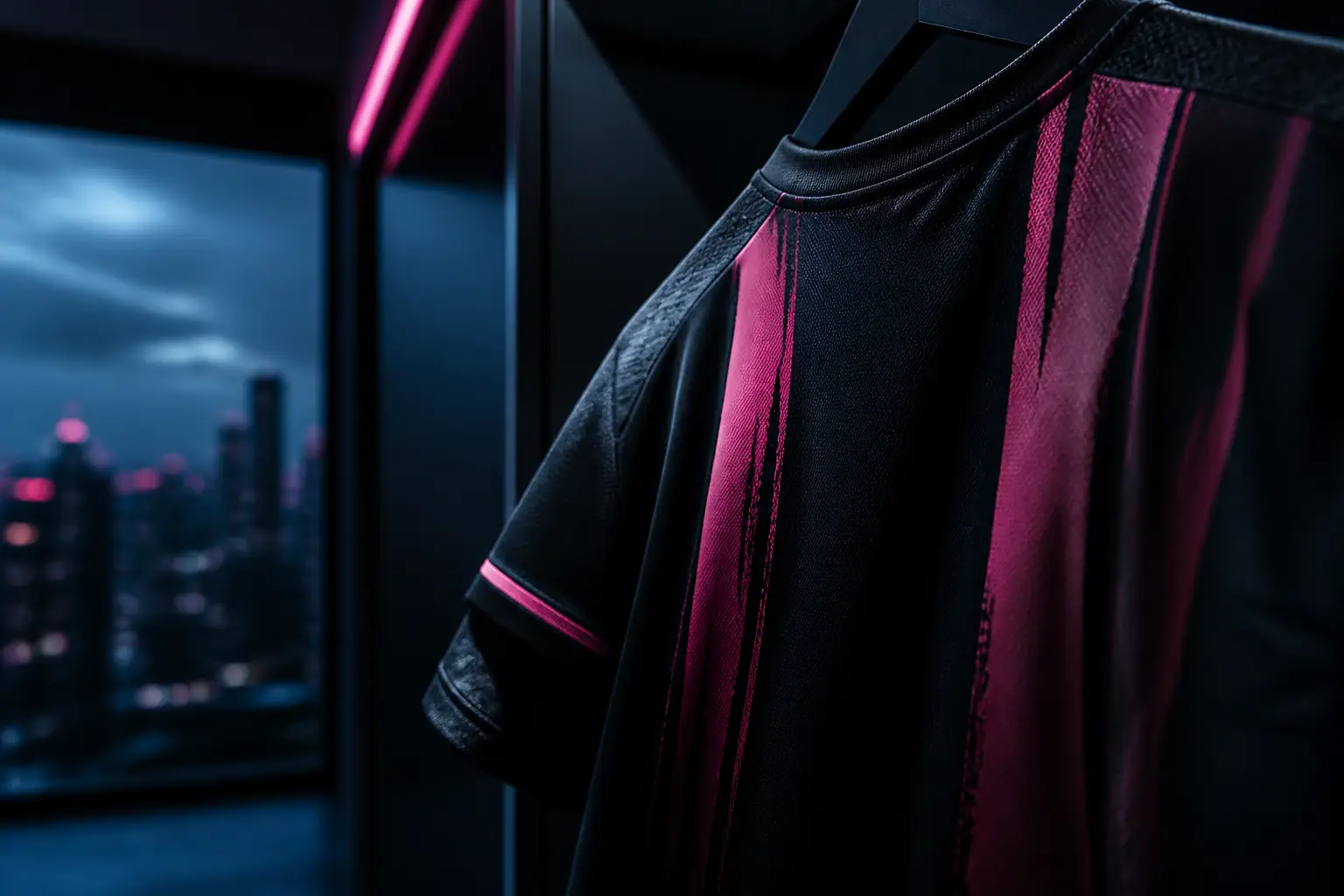
The shift in advertising space is particularly striking. While the chest area is now free of betting providers, presence on shirt sleeves and training wear has literally exploded. Experts recorded a 362 percent increase in this area compared to previous years. It seems as if clubs and their sponsors have searched for and found loopholes to maintain the visibility of their brands. The study included seven televised matches between August 21 and 24, as well as hours of analysis of Sky Sports News and radio stations. The result is clear: the flood of advertising has hardly subsided, with the total number of messages falling by only 10.5 percent.
Numbers and facts
A look at the details of the study makes the problem clear. During live broadcasts alone, 11,205 messages were counted. If you add up the time in which at least one betting provider logo was in the picture, you get five hours and 16 minutes. This corresponds to almost 20 percent of the total broadcast time. The negative record was held by the match between Newcastle United and Liverpool. Here, 2,702 advertising messages hit the viewers. On average, that was more than 12 messages per minute. During this specific match, gambling advertising was visible for almost 41 percent of the broadcast duration. Such a volume of visual stimuli can hardly be ignored, even if viewers try to focus only on the sport.
Pitchside advertising boards account for the bulk of messages during matches at 72 percent. Often, the note "gamble responsibly" is faded in there, but experts doubt the effectiveness of such slogans when the brands are simultaneously heavily promoted. In an international comparison, English football performs particularly poorly. While a Premier League match contains an average of 2,449 messages, the figure in the German Bundesliga is 1,677. In North America, the figure for NBA and NHL games is even below 510. This illustrates how deeply rooted the betting business is in the British football culture.
Background
The decision for the ban on the front of the jersey was already made in 2023. It was a concession by the clubs to forestall even tougher government regulation. However, the current results from the researchers led by Dr. Raffaello Rossi show that this self-regulation is reaching its limits. The campaign group "Coalition to End Gambling Ads" speaks of a cynical move by the league that has merely displaced advertising to other locations.
"The front-of-shirt ban was effective in removing gambling logos from shirt fronts, but it did not remove them from football." - Dr. Raffaello Rossi, Project Lead at the University of Bristol
These findings have already been presented to the British Parliament. Sir Iain Duncan Smith, co-chair of the All-Party Parliamentary Group for Gambling Reform, sees the data as proof that the voluntary approach has failed. He is now calling for a significant tightening of the legal framework, as the industry is obviously not prepared to limit its reach without compulsion.
Why it matters for German players
German football fans who regularly follow the Premier League on streaming services or pay TV are directly exposed to this massive advertising presence. In Germany, the State Treaty on Gambling (GlüStV 2021) regulates marketing much more strictly. Nevertheless, the boundaries blur in international broadcasts. For players in Germany, it is important to know that many of the providers advertised on a large scale in England do not have a German license from the Joint Gambling Authority of the States (GGL). Anyone tempted by English advertising often ends up with illegal offshore providers.
In Germany, a strict deposit limit of 1,000 euros per month via the LUGAS system applies to prevent excessive gaming behavior. In addition, stake limits on slots are capped at 1 euro per spin. Such protective mechanisms are missing from the often globally active providers advertised on British television without a German license. German consumers should therefore always check the official GGL whitelist before registering with a provider, no matter how often their logo is seen on the sleeve of a Premier League star.
What it means for GGL-licensed casinos
For operators with a GGL license in Germany, the aggressive advertising in the Premier League represents a form of unfair competition. While local providers must adhere to strict advertising bans, international brands penetrate German living rooms via football broadcasts. This could increase the pressure on the GGL to take even stronger action against cross-border advertising in the future. It also underscores the importance of a legal, well-regulated market where player protection takes precedence over profit interests. Providers with a German license advertise transparently and adhere to addiction prevention requirements, which clearly distinguishes them from the omnipresent, sometimes dubious sponsors of the English league.
Frequently asked questions
How many gambling messages were counted on the first Premier League matchday?
According to the University of Bristol study, a total of 15,571 gambling marketing messages were registered. Despite the new jersey ban, the total number of advertisements fell by only about 10.5 percent compared to the previous year.
Where is gambling advertising now most visible in the Premier League?
Advertising has shifted massively to the digital boards at the edge of the pitch, which account for 72 percent of the messages. In addition, the presence on shirt sleeves and training clothing of the players increased by a massive 362 percent.
Which match was most heavily affected by the flood of advertising?
The match between Newcastle United and Liverpool recorded the highest density with 2,702 messages. Statistically, at least one advertising reference for betting was visible there during 41 percent of the broadcast time.
How does the Bundesliga compare to the Premier League?
In the German Bundesliga, an average of 1,677 gambling advertising messages are counted per game. This is significantly less than in England (2,449), but still more than in US sports such as the NBA.
Am I allowed to play at all betting providers that advertise in the Premier League?
No, many of these providers do not have a license for the German market. German players should only bet with providers that are on the official GGL whitelist to be protected by the GlüStV 2021.
Share
About the author

Lisa Lustich
Editor-in-chief & casino tester
Lisa Lustich has been testing German-language online casinos since 1997 and runs the Lustich.de newsroom. More than 400 published reviews, certified player-protection advisor (BZgA training, 2019).
All articles by Lisa Lustich →Sources & further reading
Whitelist of permitted online operators
Editorial guidelines Lustich.de
BZgA problem-gambling helpline: 0800 1 372 700
Gambling can be addictive. Please play responsibly. Help and counselling at 0800 1 372 700 (BZgA, free & anonymous).
Related topics
Further Reading
 AI-GENERATED
L&L Europe Settles for £900,000 Over Unfair Withdrawal Terms
The UK Gambling Commission has penalized L&L Europe for delaying customer withdrawals and failing in social responsibility duties. The settlement totals £900,000.
 AI-GENERATED
SkillOnNet Secures New Zealand License: PlayOJO to Enter New Market
SkillOnNet becomes one of 15 licensed operators in New Zealand, paying a license fee of 8.51 million dollars to operate legally under the new 2026 Act.
 AI-GENERATED
Latvia Moves to Raise Gambling Age to 21 in Major Reform Package
A Latvian parliamentary committee has advanced a bill that would raise the gambling age to 21 and introduce a 21-hour daily limit for online play.