
Bingo Tax Break? UK Government Explores Gaming Machine Exemptions
 AI-GENERATED
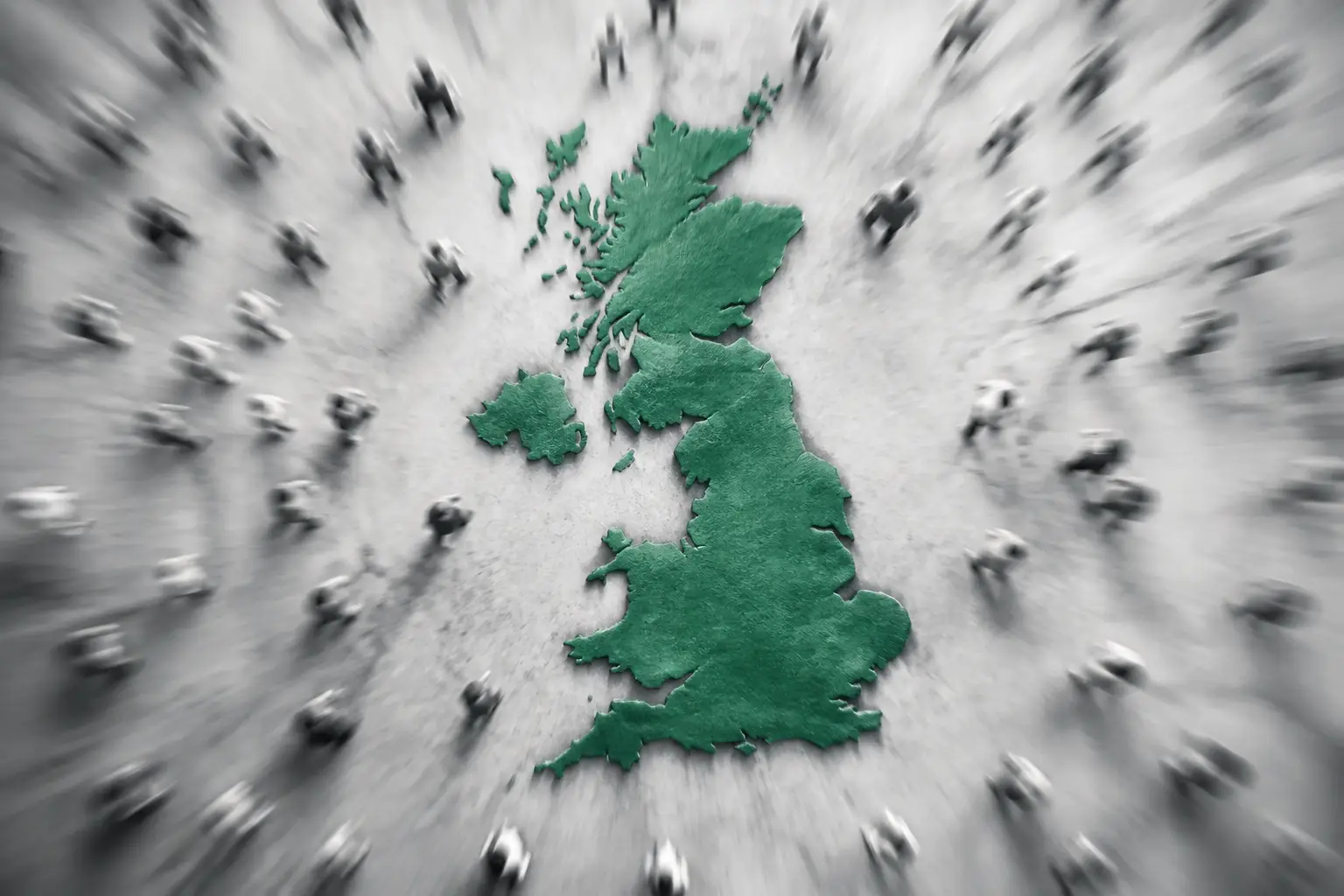
The UK Treasury is considering a targeted tax hike on gaming machines while shielding bingo halls and pubs from the financial impact.
Changes are coming to the UK gambling landscape as the Treasury explores a more surgical approach to taxation. The government is reportedly looking at ways to increase the Machine Games Duty (MGD) specifically for higher-stakes gaming machines. At the same time, there is a strong movement to protect traditional bingo halls, local pubs, and seaside arcades from these hikes. These venues are often seen as vital community hubs that provide social value beyond simple gambling, and a uniform tax increase could threaten their survival.
According to reports from the Financial Times, the goal is to generate additional revenue for the state while sparing smaller, land-based operators that are already struggling. Currently, MGD operates with three tiers: a 5 percent lower rate, a 20 percent standard rate, and a 25 percent higher rate for machines with larger stakes. By targeting only specific categories, the Treasury hopes to find a middle ground that satisfies both fiscal needs and industry stability.
Numbers and facts
The potential revenue from these changes is significant. Research by the Social Market Foundation suggests that doubling MGD on Category B machines could bring in between £275 million and £458 million in extra tax receipts every year. However, the gambling industry has expressed grave concerns. Estimates suggest that a major tax hike could result in the closure of approximately 1,470 betting shops and the loss of about 15,900 jobs nationwide.
"The government committed in its manifesto to reducing gambling-related harms and to working with industry on how to ensure responsible gambling." - Government Consultation Document, HM Treasury
One of the most important factors for the bingo sector is the upcoming abolition of the Bingo Duty on April 1, 2026. Previously set at 10 percent of gross gaming yield, this tax was removed to support the land-based sector. If MGD on the machines inside these clubs were to rise significantly, it would likely offset any benefits gained from the removal of the Bingo Duty. High-profile figures like former Prime Minister Gordon Brown have even suggested using increased machine taxes to fund energy support for struggling households.
Background
The UK’s gaming sector is in the midst of a massive shift toward digital platforms. Gross Gambling Yield (GGY) for remote gambling has reached £6.9 billion per year, representing over 60 percent growth since the 2015/2016 period. This rapid expansion of online gaming has forced the government to rethink how land-based venues are regulated and taxed to remain competitive. The Treasury is also consulting on a single Remote Betting and Gaming Duty to simplify the system for online operators.
For bingo operators, the exact definition of an "exemption" will be crucial. Will it apply based on the type of machine, or will the venue itself dictate the tax rate? As of now, the government has not confirmed the final structure of the tax changes. More clarity is expected during the upcoming Autumn Budget, where the Starmer Labour government will set its fiscal path for the next year.
Why it matters for German players
While these debates are specific to the UK, they highlight the global trend of tightening gambling regulations. In Germany, the situation is already much stricter due to the Interstate Treaty on Gambling 2021 (GlüStV 2021). German players face a 5.3 percent tax on every spin at online slots, which is far more aggressive than the UK’s model of taxing gross profits. This often leads to lower Return to Player (RTP) percentages in the German market compared to the UK.
Furthermore, German regulations include a mandatory 1 Euro per spin limit and a cross-provider monthly deposit limit of 1,000 Euro, monitored by the LUGAS system. The UK’s attempt to balance tax revenue with the survival of land-based social venues like bingo halls shows a different approach to social protection, whereas Germany relies heavily on technical limits and centralized monitoring.
What it means for GGL-licensed casinos
Operators with a license from the Gemeinsame Glücksspielbehörde der Länder (GGL) must navigate a highly taxed environment. The UK debate reminds these operators that tax policy is often used as a tool for social engineering. In Germany, the high tax burden is a constant challenge for licensed casinos trying to lure players away from the black market. If the UK manages to protect social gambling forms like bingo, it might serve as a template for future German reforms, though currently, the German focus remains on rigid player protection through limits and strict oversight.
Frequently asked questions
Why is the UK government considering a tax exemption for bingo halls?
Bingo halls are considered social hubs with cultural value. By exempting them from Machine Games Duty increases, the government aims to protect these venues, especially since the separate Bingo Duty is already set to be abolished in April 2026.
How much additional tax could the reform generate in the UK?
Estimates from the Social Market Foundation indicate that doubling the tax on Category B machines could raise between £275 million and £458 million annually. These figures remain projections until the final budget is announced.
What are the industry risks regarding these tax hikes?
Industry representatives warn that substantial tax increases could lead to the closure of nearly 1,500 betting shops and the loss of approximately 15,900 jobs, posing a significant threat to the land-based gambling sector.
How do German gambling taxes differ from those in the UK?
Germany imposes a 5.3 percent tax on every stake for online slots, whereas the UK taxes gross profits or specific machine categories. The German system is generally considered more restrictive for both operators and players.
Are German players allowed to play in British online bingo halls?
German residents are only allowed to play at providers listed on the GGL whitelist. British sites without a German license are illegal for residents in Germany, as they do not comply with GlüStV 2021 requirements like deposit limits.
Share
About the author

Lisa Lustich
Editor-in-chief & casino tester
Lisa Lustich has been testing German-language online casinos since 1997 and runs the Lustich.de newsroom. More than 400 published reviews, certified player-protection advisor (BZgA training, 2019).
All articles by Lisa Lustich →Sources & further reading
Whitelist of permitted online operators
Editorial guidelines Lustich.de
BZgA problem-gambling helpline: 0800 1 372 700
Gambling can be addictive. Please play responsibly. Help and counselling at 0800 1 372 700 (BZgA, free & anonymous).
Related topics
Further Reading
 AI-GENERATED
Tribal Gaming Leaders Unite Against Prediction Markets as Sovereignty Threat
The Indian Gaming Association (IGA) is rallying tribal nations to oppose prediction markets that offer sports betting disguised as financial products.
 AI-GENERATED
Entain Conflict: Dispute Over SIS Black-Market Deal With MyStake Operator
A confidential contract between supplier SIS and black-market operator Santeda has triggered a rift with major shareholder Entain, which owns 23.4%.
 AI-GENERATED
US Regulator CFTC Files New Prediction Market Rules for White House Review
The CFTC aims to clearly separate casino products from prediction markets. Meanwhile, CBS News is already using Kalshi data for the 2026 elections.