Pennsylvania Skill Games Ban: 70,000 Terminals Become Illegal Overnight
 AI-GENERATED
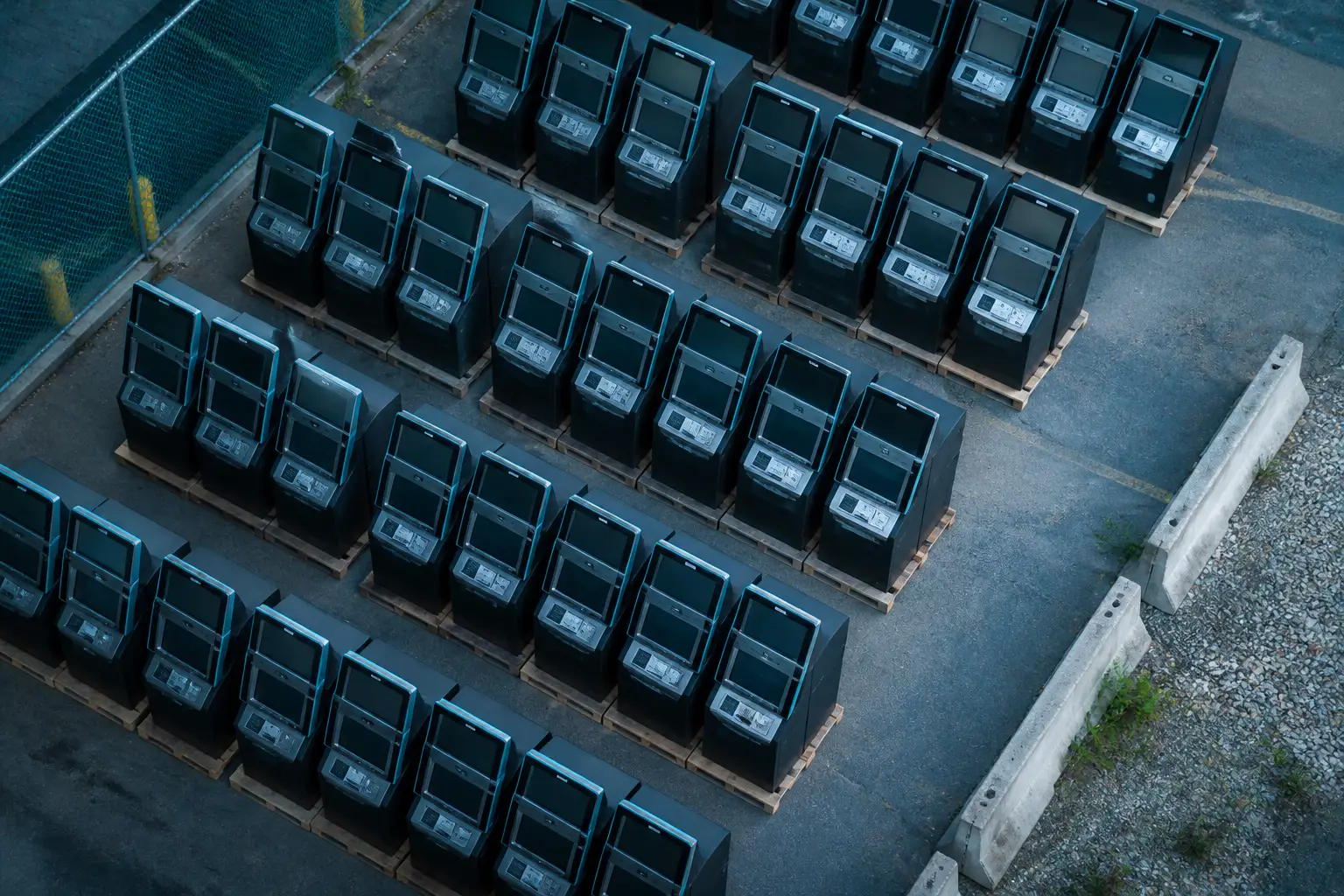
Following a State Supreme Court ruling, businesses in Pennsylvania must remove all unlicensed skill games by October 13, 2026. Approximately 70,000 machines are affected.
The era of unregulated skill games in Pennsylvania came to a definitive end on October 13, 2026. Businesses across the Commonwealth, ranging from local taverns to non-profit social clubs, were forced to dismantle thousands of terminals following a high-stakes legal battle. The deadline was the result of a Pennsylvania Supreme Court ruling in June that legally redefined these devices as slot machines. Without a license from the Pennsylvania Gaming Control Board (PGCB), these machines are now considered illegal gambling devices under state law.
The impact on small businesses is profound. For over a decade, these terminals operated in a legal gray area, providing essential revenue for mom-and-pop shops and fraternal organizations. The Pennsylvania State Police (PSP) issued a stern warning that simply unplugging the machines is insufficient. Any device found on a business premises after the deadline is subject to immediate seizure, and owners could face criminal charges. The authorities clarified that a slot machine remains a gambling device even if it is powered off or temporarily disabled.
Numbers and facts
The scale of the enforcement action is massive, with an estimated 70,000 terminals affected statewide. According to the Independent Fiscal Office, each terminal had the potential to generate approximately $47,000 in annual revenue. The failure of the legislature to regulate these games means a significant loss in potential tax revenue. Governor Josh Shapiro had proposed a 52 percent tax on gross revenue, which could have raised $487 million in fiscal year 2026/2027. Instead of tax dollars, the state is now seeing thousands of machines destined for landfills or the secondary market.
"The loss of skill-gaming revenue will have real and immediate consequences for American Legions, VFWs, volunteer fire companies, emergency-service organizations, fraternal clubs, and small businesses across Pennsylvania." - Pace-O-Matic, Company Statement
Distributors are among the hardest hit. Joe Rocca, owner of Rite Touch Distribution in Pittsburgh, told reporters that he expects to be left with 1,000 useless terminals. Rocca noted that his business outside of Pennsylvania represents only one percent of his revenue, which is not enough to keep the company afloat. He warned that the court's decision would effectively cripple the industry forever.
Background
The controversy surrounding skill games has been brewing for years. Licensed casino operators and the American Gaming Association (AGA) argued that these machines were a blatant attempt to bypass gambling regulations and taxes. While the casino industry emphasizes the importance of consumer protection and responsible gaming protocols, proponents of skill games argue they were a lifeline for small businesses struggling with rising costs.
"We are pleased to see the end of this widespread illegal gaming industry in Pennsylvania, one that for years has flagrantly ignored responsible-gaming protocols and consumer protections, while providing zero tax revenue for the Commonwealth." - Jeff Morris, Vice President at Penn Entertainment
Political gridlock in Harrisburg prevented a legislative solution. Bills such as House Bill 2213 and Senate Bill 1079 sought to establish a $500 monthly fee per terminal and a statewide cap of 50,000 machines. However, these measures stalled, leaving the court-mandated deadline as the final word on the matter.
Why it matters for German players
For players in Germany, the Pennsylvania situation highlights the benefits of a clearly regulated market. Germany’s State Treaty on Gambling 2021 (GlüStV 2021) provides a legal framework that prevents the kind of chaotic gray market seen in the U.S. By adhering to the official GGL whitelist, German players can be certain they are using licensed platforms that comply with strict consumer protection laws. Unlike the sudden removals in Pennsylvania, the German market offers stability and security through federal oversight.
What it means for GGL-licensed casinos
For operators with a GGL license, the enforcement in Pennsylvania reinforces the value of legal compliance. A regulated market protects both the player and the operator from sudden legislative or judicial shocks. While Pennsylvania businesses face criminal prosecution and asset seizure, licensed German providers operate within a transparent system. The strict separation of legal and illegal gambling is vital for maintaining the integrity of the industry and ensuring fair play for everyone involved.
Frequently asked questions
What are skill games in Pennsylvania?
Skill games are terminals found in bars and shops that claimed to be based on skill rather than luck. The Supreme Court has now ruled they are actually unlicensed slot machines.
How many machines must be removed in Pennsylvania?
Approximately 70,000 terminals across the state must be removed by October 13, 2026. Failure to do so results in illegal status and potential seizure.
Why weren't skill games simply taxed?
While proposals for a 52 percent tax existed, Pennsylvania lawmakers could not agree on a regulatory bill in time. Without a law, no legal licensing framework could be established.
What penalties do business owners face for non-compliance?
Beyond the seizure of machines and proceeds, business owners face potential criminal prosecution. The State Police announced enforcement actions starting October 14, 2026.
Are there similar unregulated machines in Germany?
In Germany, all gaming machines are strictly regulated by the State Treaty on Gambling and the Gaming Ordinance. Systems like LUGAS ensure that only licensed and monitored games are available to the public.
Share
About the author

Lisa Lustich
Editor-in-chief & casino tester
Lisa Lustich has been testing German-language online casinos since 1997 and runs the Lustich.de newsroom. More than 400 published reviews, certified player-protection advisor (BZgA training, 2019).
All articles by Lisa Lustich →Sources & further reading
Whitelist of permitted online operators
Editorial guidelines Lustich.de
BZgA problem-gambling helpline: 0800 1 372 700
Gambling can be addictive. Please play responsibly. Help and counselling at 0800 1 372 700 (BZgA, free & anonymous).
Related topics
Further Reading
 AI-GENERATED
NFL Draft Drama: US Regulators Scrutinize Prediction Market Trading Volumes
Regulators in Arizona and Massachusetts are reviewing NFL draft bets following the Ryan Gold case, focusing on 598,464 Kalshi contracts for Jeremiyah Love.
 AI-GENERATED
Finland Proposes Legal Changes to Allow Gifting of Scratch Cards
Finland is loosening strict identification rules for lottery tickets after sales plummeted by 40 percent in 2024 due to gifting restrictions.
 AI-GENERATED
KTO Shuts Down Brazil Operations: Over 200 Staff Laid Off After Betting Ban
Betting operator KTO has ceased its activities in Brazil following the MP 1.394/2026 ban. Over 200 employees lost their jobs on October 8.