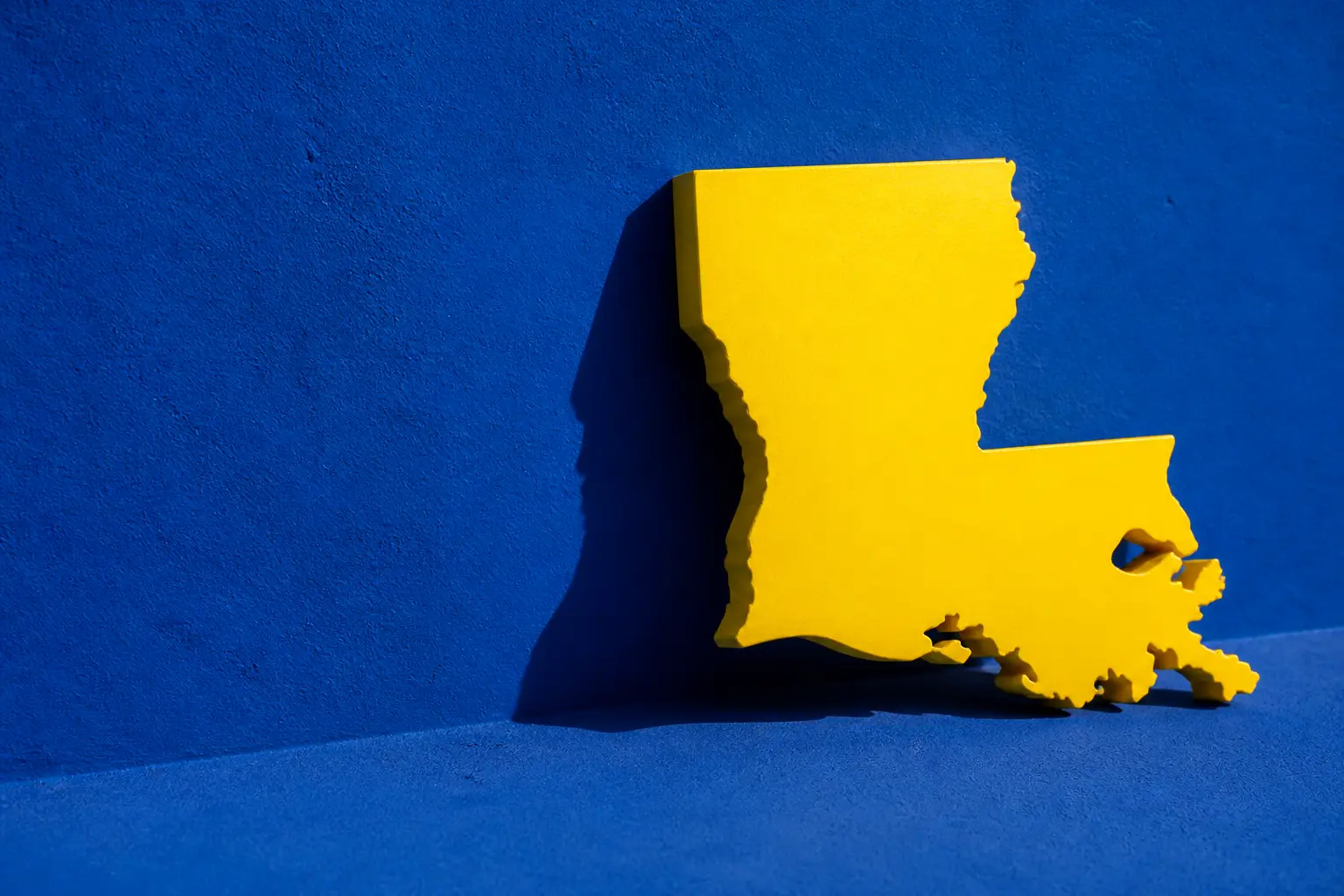
Minnesota Elections: A Turning Point for Sports Betting Legalization?
 AI-GENERATED
The upcoming November 3 elections in Minnesota could break the political deadlock surrounding sports betting. Currently, 64% of residents favor legalization.
The political landscape in Minnesota is facing a significant shift that will have direct consequences for the gambling industry. On November 3, all 134 House seats and 67 Senate seats are up for election. This date marks a potential turning point for a state that remains one of the few in the US that has not legalized online sports betting or commercial retail sportsbooks. The current situation is defined by a deep divide between the Democratic-Farmer-Labor Party (DFL) and the Republicans, which has stifled any legislative attempts in the past.
The DFL follows an approach that places tribal nations at the center. Their model envisions that mobile betting occurs exclusively through tribal operators or in partnership with them. While compromises have already been reached between the 11 tribes, charitable gaming organizations, and the state's two horse tracks, this was not enough to secure a parliamentary majority. A DFL victory could pave the way for this tribal-centric path, yet even within the party, some voices remain skeptical about gambling expansion. Proponents still need to convince their peers that safeguards and expected proceeds are sufficient.
Numbers and facts
A look at the numbers highlights the relevance of the issue. A 2022 SurveyUSA poll found that 64 percent of respondents support legalizing sports betting, while only 17 percent were against it. Despite this clear public opinion, bills have failed multiple times. In 2022, the House passed a proposal for tribal-controlled betting, which was later amended by the Senate to include racetracks. This move led to immediate opposition from the tribes and sank the initiative.
The economic dimension is substantial when looking at the rest of the US market. According to the American Gaming Association (AGA), nationwide sports betting revenue reached $16.96 billion in 2025, a 22.8 percent increase year-on-year. Minnesota is losing millions in tax revenue annually due to this hesitation, while illegal offshore providers continue to control a portion of the market. Dave Forman from the AGA emphasizes that 39 states and Washington D.C. already have regulated markets, leaving Minnesota increasingly isolated.
Background
The history of gambling regulation in Minnesota is inextricably linked to tribal sovereignty. Andy Platto, Executive Director of the Minnesota Indian Gaming Association (MIGA), plays a central role here. He emphasized the complexity of negotiations at the Global Gaming Expo. A significant milestone was a $40 million deal providing financial payouts to charitable organizations to overcome their resistance.
"We have a framework that is currently supported by all stakeholders. This is as close as we have ever come. And I can say is that all current stakeholders are on board, but that could change." - Andy Platto, Executive Director of the Minnesota Indian Gaming Association (MIGA)
Should current Governor Tim Walz vacate his office due to the US elections, Lieutenant Governor Peggy Flanagan would take over. She would be the first indigenous woman in such a position, providing the tribes with a strong ally in the Governor's mansion. Nevertheless, the parliamentary process in Minnesota remains arduous, requiring more committee approvals than in other states. Republicans continue to demand an opening for racetracks and charitable groups, which is hardly feasible without tribal consent.
Why it matters for German players
For German players, the situation in Minnesota is a prime example of the risks of an unregulated market. While Minnesota is still debating, the German Interstate Treaty on Gambling 2021 (GlüStV 2021) already provides clear guardrails. In Germany, the Joint Gambling Authority of the States (GGL) ensures through the whitelist that providers operate legally. Anyone betting in Germany benefits from the strict stake limit of 1 Euro per spin for slots and the monthly deposit limit of 1,000 Euro via the LUGAS system.
Players in Minnesota often have to resort to illegal bookmakers, something the strict enforcement of GGL rules in Germany aims to prevent. The fight against illegal operators, mentioned by Joe Maloney of the Sports Betting Alliance, is also a core issue in Europe. German customers should ensure they play exclusively with providers holding a German license, as only there is player protection guaranteed according to German standards. Legal certainty and protection against manipulation are significantly higher in a state-monitored market, like the one we have had since 2021, compared to regions lost in political infighting.
What it means for GGL-licensed casinos
Licensed providers in Germany can learn from the Minnesota case that legal certainty is a valuable asset. A stable regulatory framework enables long-term investment in player protection and technology. While US debates often focus on tax rates and exclusivity, the focus for GGL casinos is on adhering to social concepts and connecting to exclusion systems like OASIS. The transparency offered by a German license is a competitive advantage over gray market providers, who still account for 24 percent of the estimated volume in the US. German operators are obliged to maintain these standards to avoid jeopardizing their concessions.
Frequently asked questions
When are the elections in Minnesota taking place?
The elections take place on November 3. All 134 seats in the House and 67 seats in the Senate will be contested.
How many citizens in Minnesota support sports betting?
According to a 2022 SurveyUSA poll, 64 percent of respondents favor legalization. Only 17 percent actively oppose the plan.
Why have previous laws in Minnesota failed?
A primary reason is the disagreement over the role of horse tracks. Tribal nations insist on exclusivity, while Republicans want to open the market to racetracks.
Who is Andy Platto?
Andy Platto is the Executive Director of the Minnesota Indian Gaming Association (MIGA). He represents tribal interests in sports betting regulation negotiations.
Are there similar uncertainties in Germany as in Minnesota?
No, in Germany, the Interstate Treaty on Gambling 2021 clearly regulates the conditions for sports betting and online casinos. Players should only play with GGL-licensed providers to ensure legal limits and protection.
Share
About the author

Lisa Lustich
Editor-in-chief & casino tester
Lisa Lustich has been testing German-language online casinos since 1997 and runs the Lustich.de newsroom. More than 400 published reviews, certified player-protection advisor (BZgA training, 2019).
All articles by Lisa Lustich →Sources & further reading
Whitelist of permitted online operators
Editorial guidelines Lustich.de
BZgA problem-gambling helpline: 0800 1 372 700
Gambling can be addictive. Please play responsibly. Help and counselling at 0800 1 372 700 (BZgA, free & anonymous).
Related topics
Further Reading
 AI-GENERATED
Entain Criticizes UK Budget: Gambling Tax Hikes Threaten Industry Stability
The increase in Machine Gaming Duty from 20% to 25% starting April 2027 hits Entain with an estimated £25 million annual cost, sparking warnings about black market growth.
 AI-GENERATED
UK Tax Reform: HMRC Proposes Major Changes to Online Gaming Duties
The UK tax authority HMRC is set to overhaul Remote Games Duty by April 2027, targeting freeplays and bonus taxation following a 3.2 million GBP legal loss.
 AI-GENERATED
Finland Prepares for Market Opening: Operator Paf Joins Industry Association
Åland-based operator Paf joins Rahapeliala ry as Finland prepares to launch its multi-license gambling system on July 1, 2027.