Oklahoma Bans Sweepstakes Casinos: November 1, 2026 Deadline Looms
 AI-GENERATED
A new law in Oklahoma puts an end to dual-currency gaming systems. Starting November 2026, operators face felony charges while players scramble for redemptions.
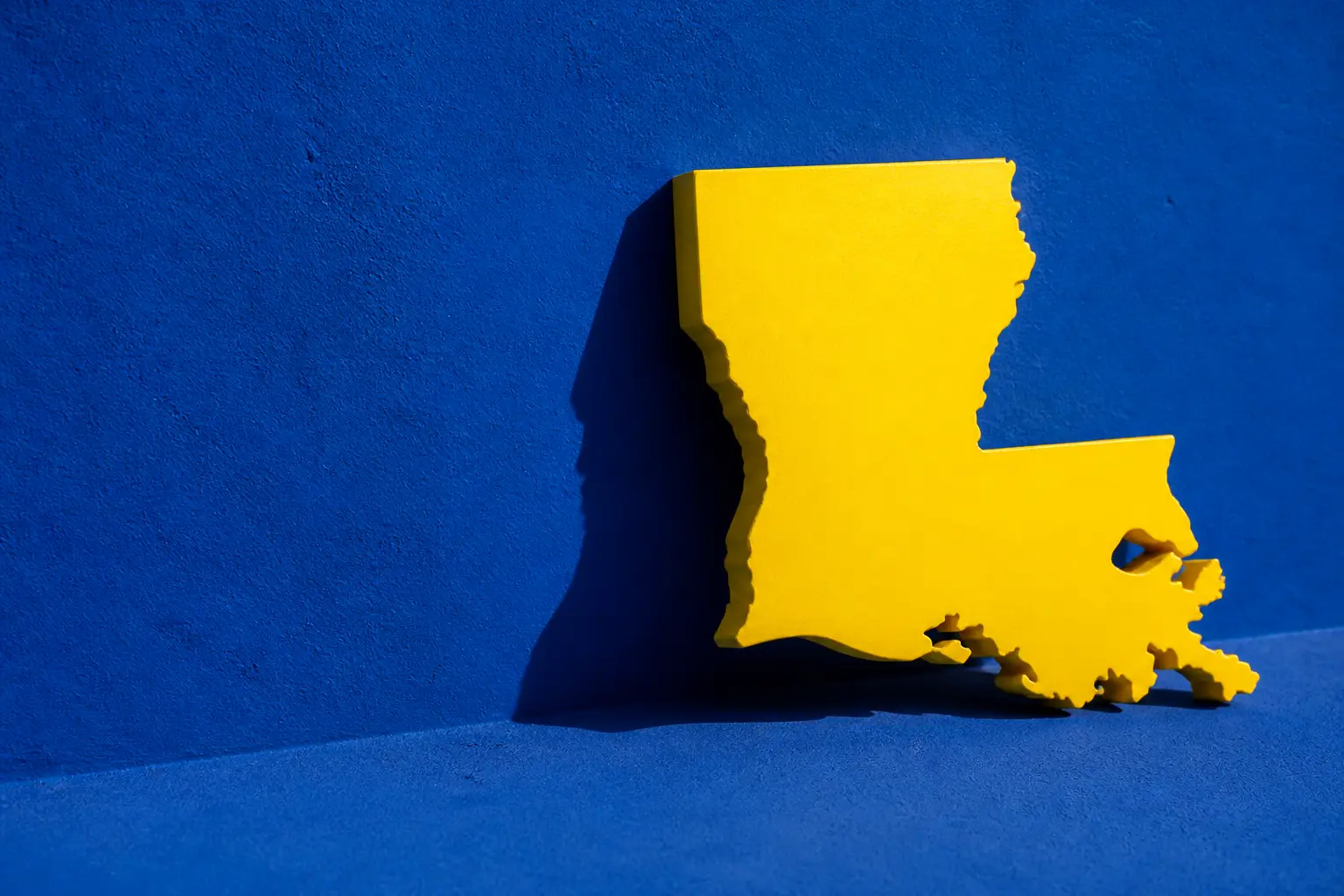
In the United States, the sweepstakes casino model is coming under increasing pressure. While these operators utilized a legal niche for years by declaring games as sweepstakes via dual-currency systems, Oklahoma is now finally pulling the plug. On November 1, 2026, Senate Bill 1589 takes effect, explicitly banning online casinos that operate with virtual coins and real monetary value. Players still holding balances in the form of Sweeps Coins face an uncertain future, as there is no uniform regulation for repayments.
The legal situation in Oklahoma escalated after a political tug-of-war. After lawmakers overrode Governor Kevin Stitt's veto on May 14, 2026, the path for the ban was cleared. Affected users are now challenged to check their accounts before the November deadline. Many operators have already announced they will cease services in Oklahoma or restrict redemption options. Crucially, November 1 is not a guaranteed payout day, but rather the day the operation becomes a criminal offense.
Numbers and facts
SB 1589 defines "online casino games" as any gambling games accessible via the internet where a "representative of value" is risked. This term has now been expanded to explicitly include virtual currencies in dual systems that can be exchanged for prizes, cash, or cash equivalents. Violations of this law are classified as "Class C2 Felonies." This entails fines between $500 and $2,000 and can even lead to imprisonment.
Liability expansion is particularly explosive. It is not just the casino operators themselves who are in the crosshairs of justice. The law also holds geolocation providers, gaming suppliers, platform providers, and even media affiliates accountable if they deal in or provide support for these games. In a similar move, Tennessee already issued cease-and-desist letters to nearly 40 operators at the end of December 2025, highlighting the growing regulatory momentum in the U.S.
Background
The core of the problem lies in the definition of currencies. In sweepstakes casinos, there are usually "Gold Coins" for pure entertainment without value and "Sweeps Coins" that can be acquired through purchases or promotions and later redeemed for real money. Critics and regulators view this as a circumvention of classic gambling law.
"Any and all currency used as part of a dual-currency system of payment that allows a person to exchange such currency for any prize, award, cash, or cash equivalent..." - Excerpt from Oklahoma Senate Bill 1589
For Oklahoma players, this means they should document their account balances immediately. It is recommended to take screenshots of balances and pending redemption requests. Operators are reacting differently: some allow redemptions until the last day, others block access for Oklahoma users weeks in advance. Anyone attempting to bypass blocks via VPN risks the total loss of their balance due to violation of terms of service.
Why it matters for German players
For German players, the development in Oklahoma has no direct legal impact, but it serves as a cautionary tale regarding the risks of unregulated platforms. In Germany, the legal situation is clearly defined by the Interstate Treaty on Gambling 2021 (GlüStV 2021). Only providers on the so-called whitelist of the Joint Gambling Authority of the States (GGL) are allowed to legally offer online slots or poker. Sweepstakes models, as popular as they are in the U.S., have no legal basis in Germany, as any game for a fee with a chance to win is considered gambling and requires a German license.
German users should strictly stick to licensed portals, as player protection measures like the cross-operator deposit limit of 1,000 euros per month apply there. This limit is monitored via the LUGAS system. Additionally, a stake limit of 1 euro per spin applies to virtual slot machines in Germany. Those playing on foreign sites without a GGL license enjoy no legal protection in case of payout issues. As the Oklahoma example shows, gray markets can be closed overnight, often leading to the loss of player funds.
What it means for GGL-licensed casinos
The strict regulation in Oklahoma reinforces the course of the German GGL. A global trend toward channeling into a legal, strictly monitored market is evident. Providers with a GGL license do not have to worry about sudden criminal bans like in Oklahoma, as they operate within a legal framework. For casinos, this means planning security but also requires consistent implementation of IT guidelines and connection to the OASIS exclusion file. Those acting legally in Germany do not need to fear "Class C2 Felonies" as long as the strict requirements of the GlüStV 2021 are met. This creates trust among customers, which is now being withdrawn from sweepstakes providers.
Frequently asked questions
What happens on November 1, 2026, in Oklahoma?
On this day, SB 1589 takes effect, classifying online casinos with dual-currency systems as illegal gambling. Operators must cease services for Oklahoma residents to avoid criminal prosecution.
Can players still redeem their Sweeps Coins after the deadline?
There is no legal guarantee for redemptions after November 1. Users depend on the individual terms and conditions and goodwill of the respective casino operators.
What penalties apply for violating the new law?
Violations are considered Class C2 Felonies. Fines between $500 and $2,000 as well as potential prison sentences for operators and their supporters apply.
Are Gold Coins also affected by the ban in Oklahoma?
Gold Coins are usually for entertainment without monetary value, but many operators are proactively closing all access for Oklahoma users. There is no guarantee for the retention of Gold Coin balances.
What rules apply to German players compared to Oklahoma?
In Germany, playing is only legal at providers with a GGL license, with strict limits like a maximum 1 euro stake per spin. Sweepstakes models are not permitted here and offer no legal protection for funds.
Share
About the author

Lisa Lustich
Editor-in-chief & casino tester
Lisa Lustich has been testing German-language online casinos since 1997 and runs the Lustich.de newsroom. More than 400 published reviews, certified player-protection advisor (BZgA training, 2019).
All articles by Lisa Lustich →Sources & further reading
Whitelist of permitted online operators
Editorial guidelines Lustich.de
BZgA problem-gambling helpline: 0800 1 372 700
Gambling can be addictive. Please play responsibly. Help and counselling at 0800 1 372 700 (BZgA, free & anonymous).
Related topics
Further Reading
 AI-GENERATED
Jurisdictional Clash: CFTC Sues Utah to Protect Federal Oversight of Prediction Markets
The CFTC is taking legal action against Utah to block state-level bans on regulated prediction markets, defending its sole authority over event contracts and derivatives.
 AI-GENERATED
Kenya Plans Dedicated Prediction Market Licenses Starting in 2026
Kenya aims to regulate its booming prediction market sector with a new licensing category starting in the 2026 and 2027 cycle.
 AI-GENERATED
Bally’s Acquisition of evoke Faces Regulatory Hurdle in Pennsylvania
The £243.1 million acquisition of evoke by Bally's Corporation is complicated by a conflict over B2B poker software licenses in Pennsylvania.