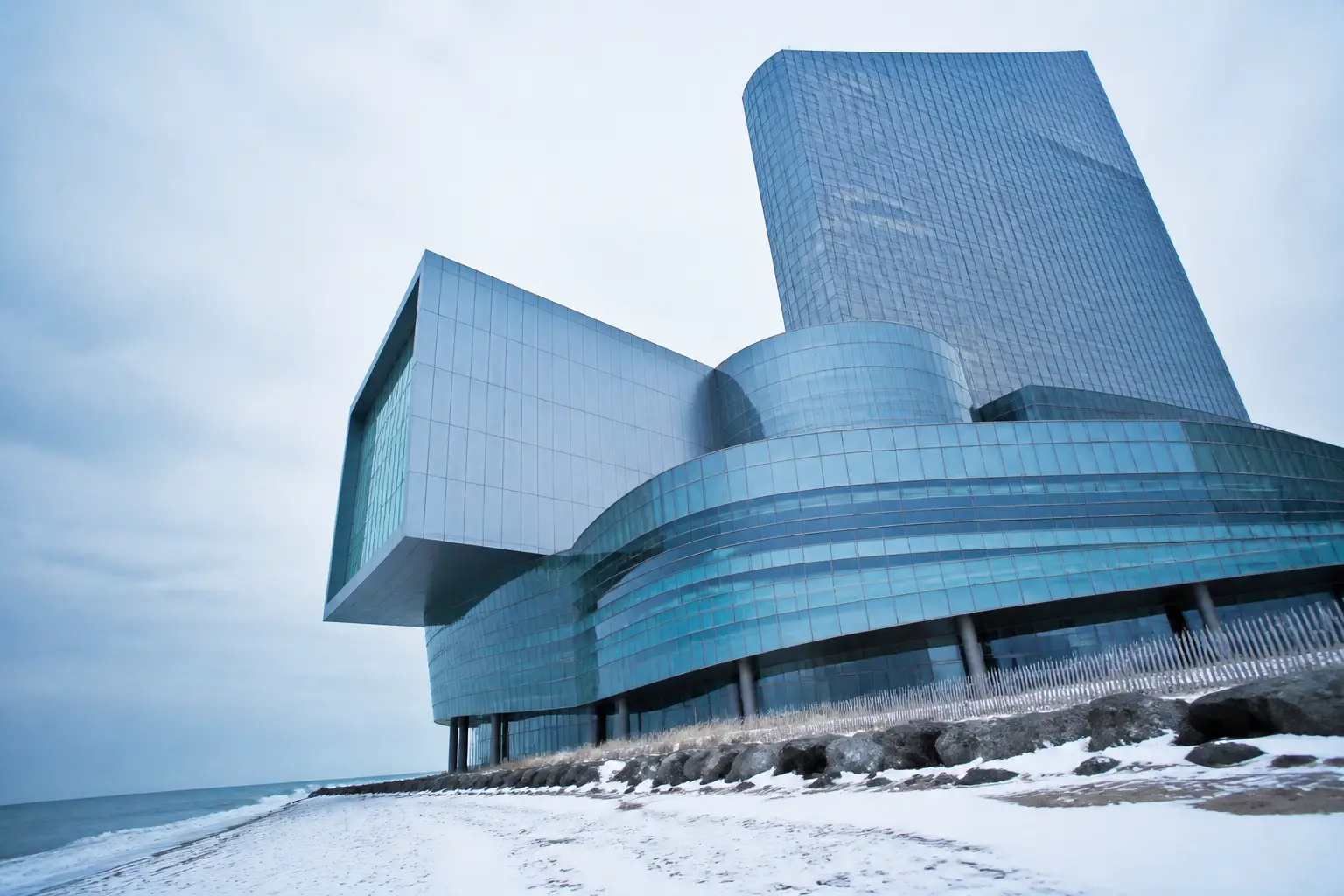
Live Poker Rake on the Rise: Small Stakes Players Hit Hardest
 AI-GENERATED
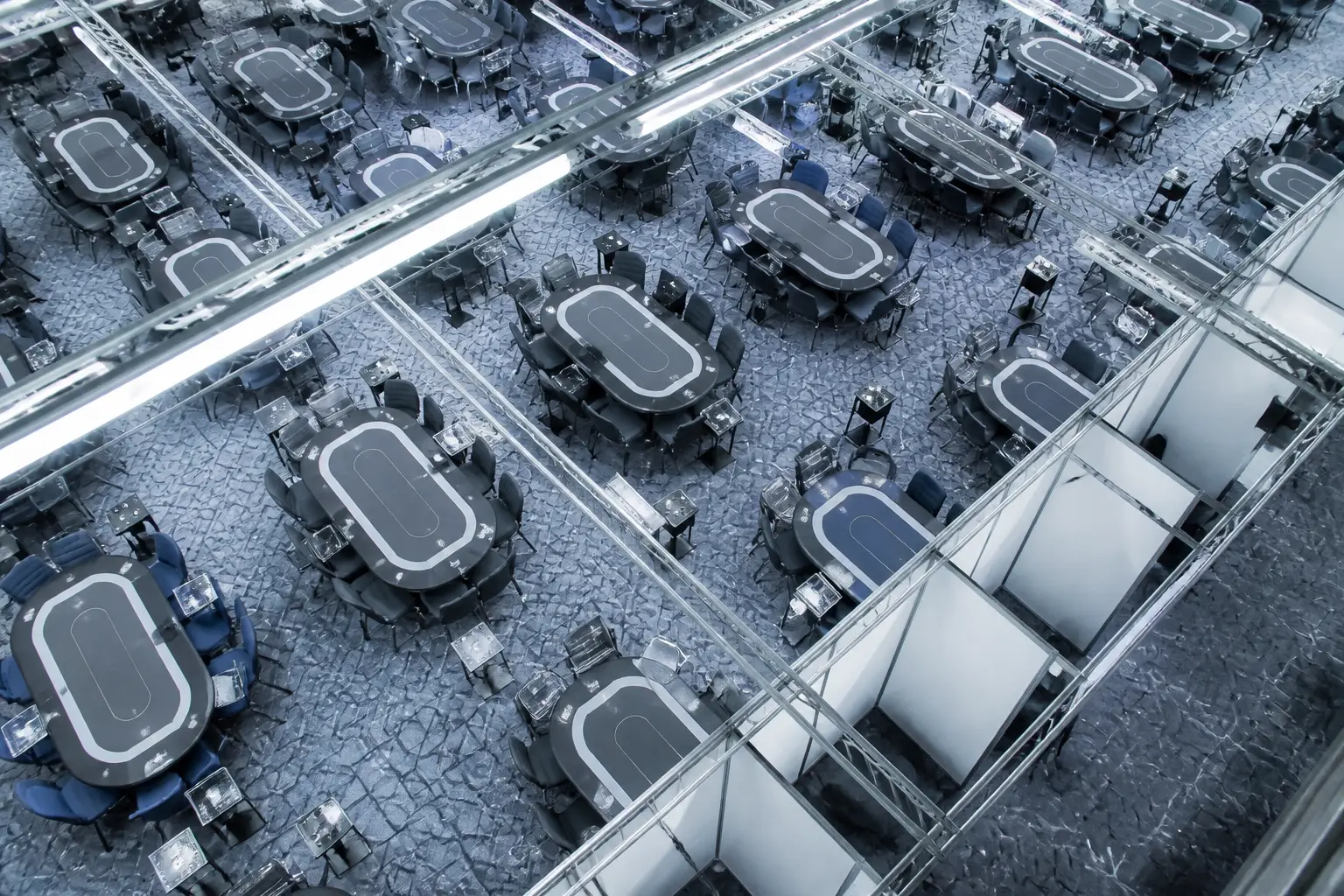
Live poker tournament fees are increasing, with rake reaching up to 18 percent for smaller buy-ins. Data shows a significant squeeze on casual players' profitability.
Stepping into a casino today means facing not just the cards and the players, but an increasingly hungry house. The rake, or the fee taken by the casino to host the game, has been quietly climbing over the last decade. A recent investigation into tournament structures reveals a troubling trend for recreational players: the cost of playing is rising fastest at the levels they frequent most. While the average skill level of players has improved, the mathematical hurdle to break even is becoming taller due to rising operational expenses passed on to the participants. Poker pro Patrick Leonard recently sparked a major discussion on whether prize pool deductions are getting progressively higher, and the data confirms his suspicions.
Analyzing data from 2015 to 2026, it becomes clear that the ecosystem is under pressure. For the average player, staying profitable is no longer just about outplaying the opposition. If the house takes a larger cut than your edge over the field, you are destined to lose in the long run. This is especially evident in the 400 to 500 dollar buy-in range. Casinos have hiked fees in this segment to cover staffing and venue costs, leading to a bizarre situation where moving up to higher stakes might actually be more profitable because the percentage taken by the house is lower.
Numbers and facts
The figures from 2015 compared to 2025 and 2026 are stark. The WSOP 500 Dollar Colossus is the poster child for this inflation. In 2015, the rake stood at 11.50 percent. By 2026, it reached 17 percent, a total increase of 5.50 percentage points. Multi-flight events at the Seminole Hard Rock Hollywood followed suit, jumping from 14.29 percent to 18 percent. Even the flagship 10,000 dollar WSOP Main Event saw its rake climb from 5.99 percent to 7 percent over the same period.
However, the World Poker Tour (WPT) provides a notable exception. The WPT World Championship Main Event, with its 10,400 dollar buy-in, saw its rake drop from 6.73 percent to 5.77 percent. This remains an outlier. Most 1,000 dollar events, such as those hosted by PokerStars, saw modest increases from 11.81 percent to 12.73 percent. For a player with a 10 percent ROI, a 2 percent rake increase effectively wipes out one-fifth of their expected long-term profit.
Background
Strategy experts like Jonathan Little emphasize that rake is often the primary reason amateur players lose. They aren't necessarily worse than the competition; they just can't overcome the house's cut. In a standard 1/2 dollar live cash game, the house might take 4 dollars per hand. At 30 hands per hour, that is 120 dollars leaving the table every hour. If a top-tier player wins 24 dollars per hour before rake, they are still losing money after the house takes its share. Little suggests moving to 2/5 dollar games as soon as possible, where the rake is less detrimental to the win rate.
"The rake, the money the casino takes in exchange for letting you play, is a key determining factor of whether or not any game is potentially profitable." - Jonathan Little, Poker Pro and Coach
For elite pros like Jeremy Ausmus, who maintains an ROI north of 40 percent, these small changes are manageable. But for the vast majority of players sitting near the break-even line, these trends are devastating. The combination of higher rake and formats that encourage multiple re-entries is draining bankrolls faster than ever. Some suggest that the back-to-back decline in WSOP Main Event entries might be a symptom of this financial pressure on the player base.
Why it matters for German players
German players face a unique environment shaped by the 2021 Interstate Treaty on Gambling (GlüStV 2021). Those playing on GGL-licensed sites are subject to a 1,000 euro monthly deposit limit tracked via the LUGAS system. Furthermore, the 5.3 percent stake tax in Germany often forces online operators to implement higher rake structures or reduce rewards compared to international markets. This makes the global trend of rising fees even more critical for Germans, as their starting point is already hampered by local tax regulations.
In land-based German casinos, while the online tax doesn't apply directly, the lack of competition often results in stagnant and high rake structures. Players must be extremely selective. In a regulated market where player protection is a priority, the high cost of playing can ironically push players toward unprotected, illegal offshore markets if the legal games become mathematically unbeatable.
What it means for GGL-licensed casinos
Licensed operators in Germany must balance regulatory compliance with competitive pricing. The international trend of rising tournament costs suggests that players are becoming more price-sensitive. For GGL-licensed casinos, offering transparent prize pools and fair rake is essential to prevent player migration to illegal MGA or Curacao sites. Since the 1 euro slot limit does not apply to poker, the vertical remains a vital tool for attracting high-volume players, but only if the rake remains within a range that allows for a beatable game.
Frequently asked questions
Why are poker tournament fees increasing?
Casinos cite rising operational costs, including labor, rent, and security, as the main reasons for hiking the rake. Smaller tournaments are hit harder because the administrative effort is high relative to the total buy-in amount.
Which tournaments have seen the largest rake hikes?
Lower-stakes events around the 500-dollar mark are most affected. The WSOP Colossus rake increased from 11.50 percent in 2015 to 17 percent by 2026, a significant jump for casual players.
Is it still possible to play poker profitably with high rake?
Yes, but it requires a massive skill advantage. Experts generally recommend avoiding any tournament where the rake exceeds 15-20 percent, as these structures are mathematically very difficult to beat long-term.
How does rake affect bankroll management?
High rake at lower stakes often means that moving up to slightly higher buy-ins can offer a better return on investment because the house takes a smaller percentage. Many players now sell action to play bigger rather than grinding high-rake small games.
What specific rules apply to poker players in Germany?
German players are regulated by the GGL under the 2021 Interstate Treaty, which includes a 1,000 euro monthly deposit limit and a 5.3 percent stake tax on online games, often resulting in higher overall costs for legal play.
Share
About the author

Lisa Lustich
Editor-in-chief & casino tester
Lisa Lustich has been testing German-language online casinos since 1997 and runs the Lustich.de newsroom. More than 400 published reviews, certified player-protection advisor (BZgA training, 2019).
All articles by Lisa Lustich →Sources & further reading
Whitelist of permitted online operators
Editorial guidelines Lustich.de
BZgA problem-gambling helpline: 0800 1 372 700
Gambling can be addictive. Please play responsibly. Help and counselling at 0800 1 372 700 (BZgA, free & anonymous).
Related topics
Further Reading
 AI-GENERATED
TaDa Gaming Launches Qilin Treasures in Brazil: New Slot Experience for Mass Market
TaDa Gaming's new Qilin Treasures slot offers 1,024 ways to win and a maximum win potential of 2,000x, specifically targeting the booming Brazilian market.
 AI-GENERATED
Genting Closes Coventry Casino Amid Machine Games Duty Tax Threat
Genting UK announces the closure of its Coventry venue as a proposed 40% tax hike threatens to make 13 of its 32 UK casinos unviable.
 AI-GENERATED
EveryMatrix Debuts Fantasma Games Content with bet365 in Alberta Market
North American growth continues as EveryMatrix launches Fantasma Games titles with bet365 in Alberta following its May 2026 regulatory approval.