Kangwon Land Slot Division Reports $11 Million Loss Over Six-Year Period
 AI-GENERATED
The South Korean operator's KL Saberi manufacturing arm faced a cumulative financial loss of $11 million between 2020 and 2025, raising questions about its expansion.
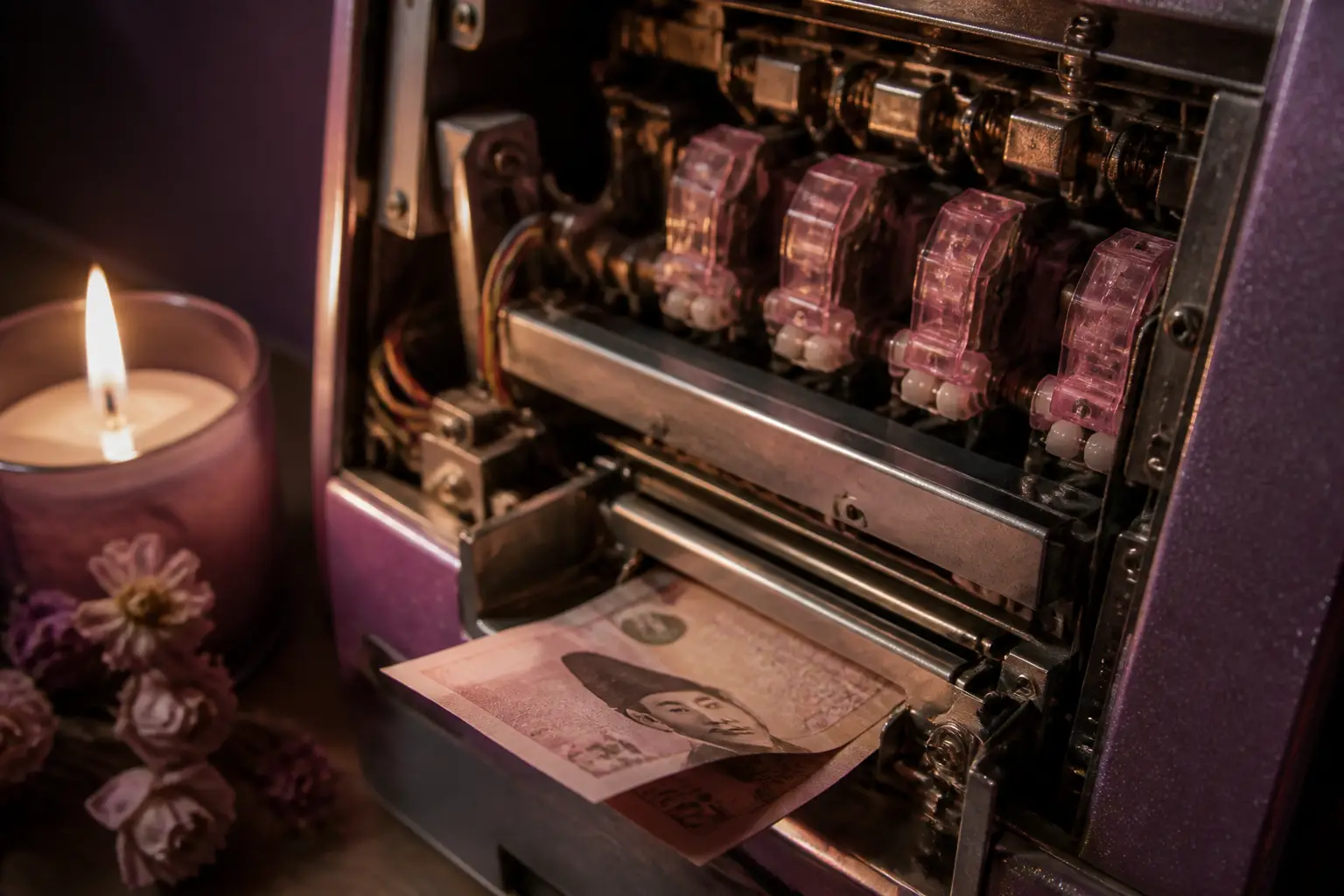
South Korean gaming giant Kangwon Land Inc. is facing a deepening crisis within its proprietary slot machine manufacturing division. While the company enjoys a monopoly as the only casino in South Korea where locals are permitted to gamble, its KL Saberi manufacturing arm, launched in 2017, has become a significant financial liability. Data recently submitted to the National Assembly of South Korea reveals a stark economic reality. Between 2020 and 2025, the division accumulated total losses of KRW 14.81 billion, equivalent to roughly $11 million.
The trend of annual losses is particularly concerning for stakeholders. The deficit began at KRW 1.40 billion in 2020 and has expanded almost every year since. In 2021, the loss reached KRW 2.4 billion, followed by a slight dip to KRW 2.23 billion in 2022, before climbing again. By 2025, local media estimates suggest the annual loss had grown to approximately KRW 3.4 billion. KL Saberi has failed to report a single year of operational profit during this period, casting serious doubt on the management's ambitious growth projections.
Numbers and facts
The gap between Kangwon Land's aspirations and its actual performance is vast. The company had previously forecasted that by 2031, it would produce 10,000 slot machines annually, generating KRW 500 billion in revenue and KRW 200 billion in net profit. However, actual sales tell a different story. Since opening a sales office in the Philippines in 2022, only 77 KL Saberi machines have been sold worldwide. Of these, 68 units—or 88.3 percent—were sold in the Philippine market. While 20 units were sold there in 2023 and 42 in 2024, the company recorded zero sales in the Philippines for the year 2025 as of the reporting date.
Political pressure is mounting. Lawmaker Koo Ja-keun of the People Power Party has questioned the necessity of the expensive overseas presence. Through August 2026, Kangwon Land spent approximately KRW 700 million on office leases, housing, and vehicle rentals in the Philippines. Given the stagnant sales in 2025, critics argue the expenditure is unjustifiable.
"A review of the Philippines office and the dispatch of staff is required to determine whether these permanent structures are even necessary." - Koo Ja-keun, Member of the National Assembly
Background
For several years, Kangwon Land has attempted to reduce its reliance on its land-based casino operations in the remote Gangwon Province. The KL Saberi brand was intended to be the gateway to the global market. In addition to the Philippines, the company targeted Macau and South America, successfully installing 40 machines in Montevideo, Uruguay. However, the global market is dominated by established giants such as IGT, Aristocrat, and Novomatic. Smaller manufacturers face an uphill battle to secure floor space in major resorts without a massive portfolio of proven, high-performing titles.
The financial strain of the slot division comes at a time when Kangwon Land is reviewing its strategic initiatives under new leadership. While other operators in the Asia-Pacific region are struggling with high debt levels—as noted in a recent Fitch report—Kangwon Land remains structurally sound but is burning resources in a business segment that hasn't seen a return on investment in over six years.
Why it matters for German players
For players in Germany, the losses of Kangwon Land have no direct impact on daily gaming, but they serve as a cautionary tale about the volatility of the gambling market. In Germany, the market is strictly regulated by the Interstate Treaty on Gambling 2021 (GlüStV 2021). While KL Saberi tries to sell hardware globally, the German Joint Gambling Authority (GGL) ensures that online casinos only offer games that meet strict safety standards.
Anyone wishing to play legally in Germany must stick to providers on the GGL whitelist. The rules are clear: a monthly deposit limit of €1,000 via the LUGAS system and a €1 stake limit per spin on virtual slots. These regulations protect players from high losses, much like sound financial planning should protect companies from miscalculations. The transparency now forced upon Kangwon Land by parliamentary inquiries is a standard feature in Germany thanks to GGL oversight.
What it means for GGL-licensed casinos
German online casinos with a GGL license typically rely on trusted software providers like Play'n GO, Greentube, or Pragmatic Play. The model of a casino operator becoming a manufacturer, as seen with Kangwon Land, is rare in Germany. Here, the separation between game development and platform operation is generally maintained. The failure of KL Saberi highlights the risks involved in developing proprietary hardware and software. GGL-licensed operators benefit from purchasing market-tested products rather than investing millions into manufacturing that may ultimately fail to find a market.
Frequently asked questions
How high was Kangwon Land's loss in the slot business?
Between 2020 and 2025, the KL Saberi division recorded a cumulative loss of approximately $11 million (KRW 14.81 billion). During this entire period, the company failed to report a single profitable year for its slot manufacturing arm.
How many slot machines has the company sold worldwide?
Since opening its Philippine sales office in 2022, only 77 KL Saberi machines have been sold globally. Of these, 68 were sold in the Philippines, while sales for 2025 in that market have been zero so far.
What are Kangwon Land's long-term goals?
The company aims to produce 10,000 slot machines annually by 2031. This is intended to generate annual revenue of KRW 500 billion, though critics strongly doubt these figures given current performance.
Why are the overseas offices being criticized?
Lawmaker Koo Ja-keun criticized the high costs of approximately KRW 700 million for the Philippine office through August 2026. These expenses for rent and leasing are seen as disproportionate to the lack of sales in 2025.
Are KL Saberi machines available in German online casinos?
No, KL Saberi machines are designed for the land-based market and currently have no relevance for the German online gambling market. GGL-licensed casinos in Germany use software from established providers that comply with the Interstate Treaty on Gambling.
Share
About the author

Lisa Lustich
Editor-in-chief & casino tester
Lisa Lustich has been testing German-language online casinos since 1997 and runs the Lustich.de newsroom. More than 400 published reviews, certified player-protection advisor (BZgA training, 2019).
All articles by Lisa Lustich →Sources & further reading
Whitelist of permitted online operators
Editorial guidelines Lustich.de
BZgA problem-gambling helpline: 0800 1 372 700
Gambling can be addictive. Please play responsibly. Help and counselling at 0800 1 372 700 (BZgA, free & anonymous).
Related topics
Further Reading
 AI-GENERATED
IZI Group Hits €1bn Turnover Milestone: A Record Year for Malta's Gaming Giant
IZI Group reported a massive turnover of over €1.17 billion for the 2026 financial year, doubling its pre-tax profit to €14.4 million.
 AI-GENERATED
Kentucky Reports Record HHR Revenue of $95 Million for September 2026
Kentucky's historical horse racing machines saw a 4.1% revenue increase in September, reaching a total gross of $95 million despite a shorter calendar month.
 AI-GENERATED
Lotte Tour Development Reports 45 Percent Casino Revenue Drop in September
South Korean operator Lotte Tour Development saw a sharp 45 percent decline in casino revenue this September, contrasting with growth at competitors like Paradise Co.