Antitrust Lawsuit: TikTok and Fanatics Accused of Coercing Independent Sellers
 AI-GENERATED
A Florida memorabilia seller is suing TikTok and Fanatics, alleging that account reinstatement was made conditional on an exclusive Fanatics deal.
A legal battle is unfolding in the United States that threatens the relationship between social media platforms and the lucrative sports memorabilia market. Brian Gualdiero, owner of Florida-based Bigfoot Sports Breaks, has filed an antitrust lawsuit against TikTok and sports apparel giant Fanatics. The accusation is serious: TikTok is allegedly banning independent sellers to force them into exclusive contracts with Fanatics. Gualdiero claims his TikTok account was permanently banned in September 2025, after which a platform representative told him that a deal with Fanatics was the only way back.
The lawsuit, filed September 17 in the U.S. District Court for the Central District of California, includes 11 counts, including violations of antitrust laws. This is not the first time such allegations have surfaced. Bigfoot is the fifth seller since October 2025 to take similar accusations to court. At the heart of the matter are so-called breaks, where customers buy spots in a livestream to bid on the contents of sealed boxes, a format that often resembles gambling elements.
Numbers and facts
The court documents cite specific messages Gualdiero allegedly exchanged with a TikTok representative via the Lark app. When asked if a Fanatics contract was the only way to unban the account, the representative reportedly replied with a simple correct. A distributor named Relics Ventures, identifying as Fanatics' partner for TikTok, then offered goods. A specific offer for NFL helmets was priced at $675 each with a minimum order of 72 units. This would have required an investment of $48,600 from the seller to resume business operations.
Fanatics, on the other hand, denies any coercion. A spokesperson for the company told the trade press that the lawsuit was meritless and noted that Bigfoot had already been banned for NFL intellectual property violations before any talk of exclusivity occurred. The seller, however, denies ever selling altered products.
„Fanatics does not force anyone to do business with us. Our focus is on providing fans with authentic, licensed products, and we won’t be deterred by these lawsuits." - Spokesperson, Fanatics
Background
The conflict highlights the market power of Fanatics, which holds a dominant position through extensive licensing agreements with professional leagues like the NFL. Independent sellers, who often grew large through livestreams on TikTok, feel squeezed by these cooperations. The lawsuit alleges that TikTok and Fanatics are working together to eliminate competition and control prices. Interestingly, the contract offered by Fanatics includes a clause stating that Fanatics makes no representations regarding TikTok's actions. This directly contradicts the statements the TikTok representative allegedly made to the seller.
Why it matters for German players
Although this involves the US market, the parallels to the German State Treaty on Gambling 2021 (GlüStV 2021) are undeniable. In Germany, breaking or opening surprise boxes (loot boxes) is closely monitored because the random component for payment carries addiction potential. Anyone looking for legal gambling in Germany should exclusively use providers with a license from the Gemeinsame Glücksspielbehörde der Länder (GGL). These casinos are listed on the official whitelist.
For German users, regulation means safety: strict bet limits of 1 Euro per spin on virtual slots and a monthly cross-provider deposit limit of 1,000 Euro, monitored via the LUGAS system, apply. Platforms like TikTok are also subject to stricter guidelines in the EU through the Digital Services Act, which makes arbitrary bans or anti-competitive practices more difficult, although this specific collector context has not yet been fully litigated compared to the US.
What it means for GGL-licensed casinos
German casinos with a GGL license must strictly adhere to advertising bans intended to protect minors. Since TikTok has an extremely young target audience, advertising for real-money gambling is nearly impossible there in Germany. The allegations against Fanatics show how quickly gray areas like memorabilia breaking can come under judicial fire when exploited commercially. Licensed German providers avoid such dubious tie-in deals to avoid risking their concession. The case underscores that transparency in licensing rights and platform rules is essential to avoid legal consequences.
Frequently asked questions
Why was Bigfoot Sports Breaks banned on TikTok?
According to a TikTok notice, there were multiple IP policy violations, specifically trademark strikes claimed by the NFL. The seller disputes this, claiming the ban was a tactic to force him into a Fanatics contract.
What is the seller seeking in the lawsuit?
Bigfoot Sports Breaks is seeking damages in an amount to be proven at trial, account reinstatement, and the invalidation of the exclusive arrangements with Fanatics. The suit also seeks a ruling that these practices violate antitrust law.
Have the allegations against Fanatics been proven?
No, Fanatics describes the lawsuit as meritless and points out that the plaintiff never signed an agreement. Furthermore, evidence suggests the ban preceded the exclusivity proposal.
What was the value of the inventory offer from Relics Ventures?
A distributor offered the seller a case of 72 NFL helmets for a total of $48,600. The seller interpreted this purchase as a requirement for regaining his TikTok channel.
Are there similar lawsuits against TikTok and Fanatics?
Yes, Bigfoot Sports Breaks is the fifth seller within a year to file a similar lawsuit in the same court. All plaintiffs are represented by the law firm eJustice LLP.
Is breaking allowed as gambling in Germany?
In Germany, offering random prizes for money without a GGL license is illegal. Players should ensure providers are on the whitelist and follow the 1,000 Euro limit and LUGAS requirements.
Share
About the author

Lisa Lustich
Editor-in-chief & casino tester
Lisa Lustich has been testing German-language online casinos since 1997 and runs the Lustich.de newsroom. More than 400 published reviews, certified player-protection advisor (BZgA training, 2019).
All articles by Lisa Lustich →Sources & further reading
Whitelist of permitted online operators
Editorial guidelines Lustich.de
BZgA problem-gambling helpline: 0800 1 372 700
Gambling can be addictive. Please play responsibly. Help and counselling at 0800 1 372 700 (BZgA, free & anonymous).
Related topics
Further Reading
 AI-GENERATED
BetGames Extends Exclusive Live Casino Partnership With STS Until 2028
Content supplier BetGames has renewed its exclusive deal with Polish operator STS, securing its studio titles and Polish Poker on the platform until the end of 2028.
 AI-GENERATED
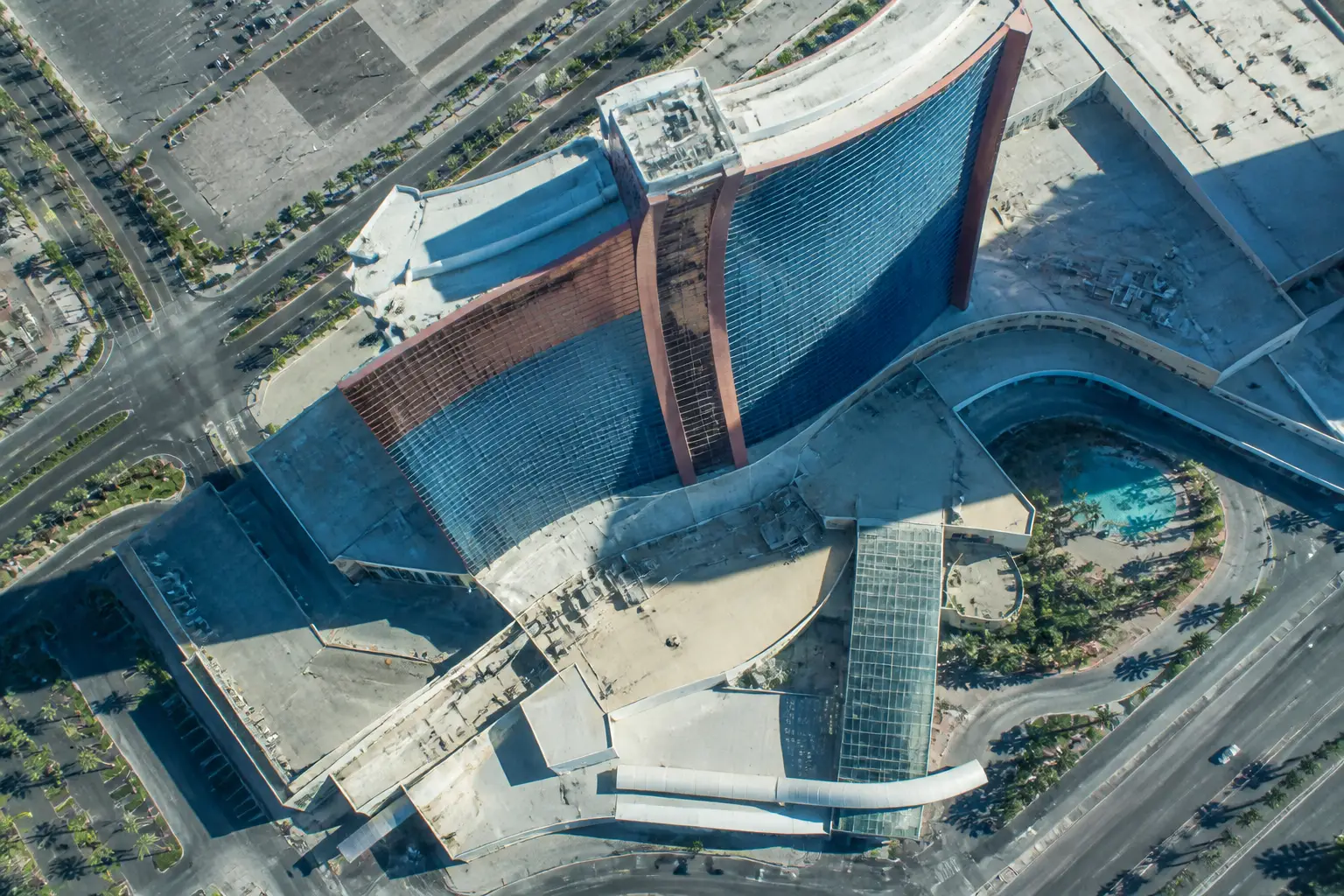
Las Vegas: Rio Casino Debuts Exclusive Dragon Lair Gaming Room with Aristocrat
The Rio Hotel & Casino in Las Vegas introduces the Dragon Lair, a dedicated gaming space featuring Aristocrat's Dragon Link and Phoenix Link slots.
 AI-GENERATED
PrizePicks Unveils Digital Collectible Packs with Multi-Million Dollar Values
US-based PrizePicks merges digital excitement with physical assets, offering card packs featuring items worth up to $8,040,000.