Texas Gambling Bust: Pokémon Cards Used as Illegal Payout Substitutes
 AI-GENERATED
Texas authorities seize 500 gaming machines where Pokémon cards were issued instead of cash. Meanwhile, FanDuel is trialing digital card rips.
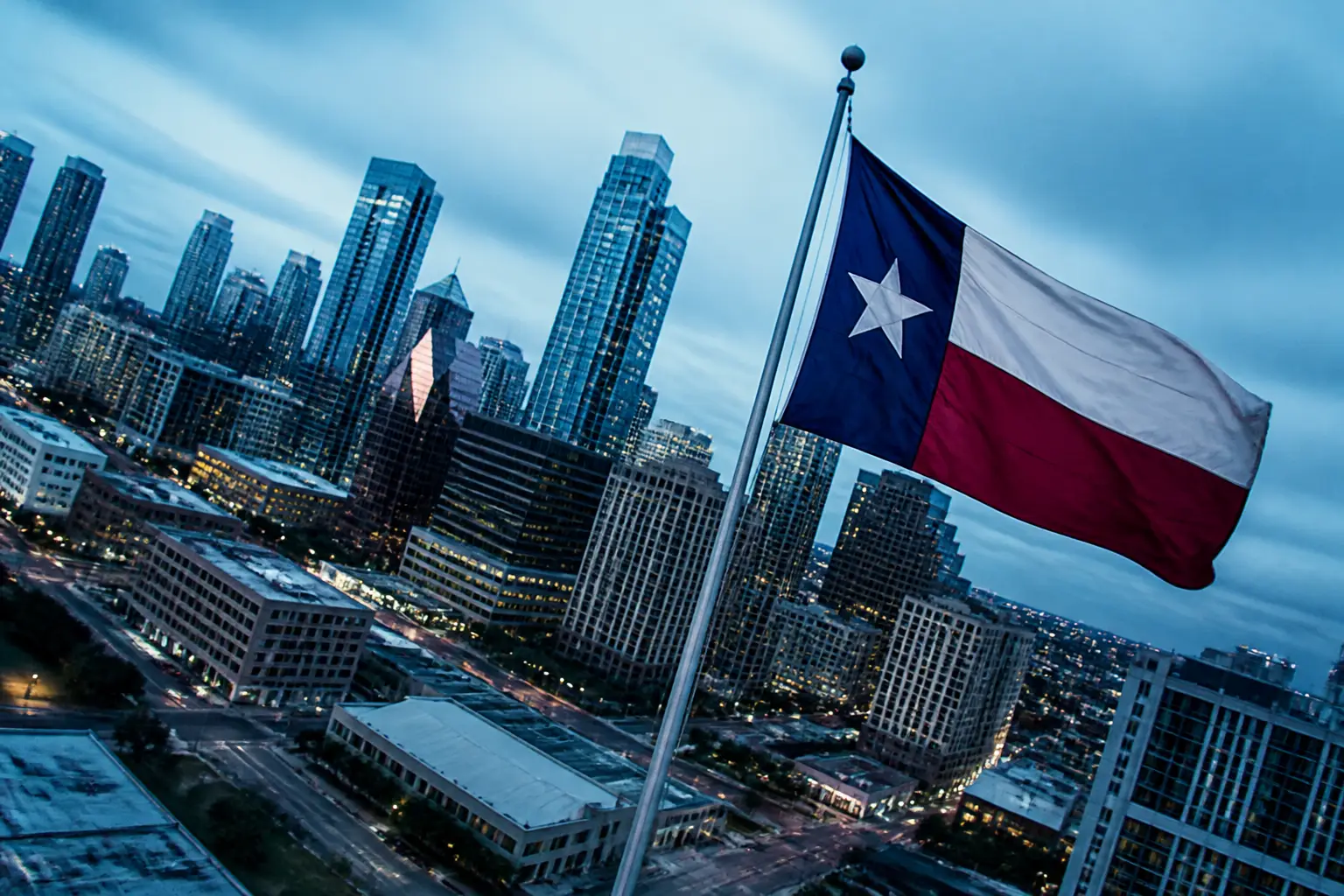
The worlds of trading cards and traditional gambling are merging more than ever. In San Antonio, Texas, this development recently led to a massive police operation. The Bexar County Sheriff’s Office conducted raids on seven suspected illegal gambling establishments on Wednesday. The unique aspect of this case was the method used by operators to circumvent strict laws against cash payouts. Instead of dollar bills being dispensed by the machines, winners received valuable trading cards, including rare Pokémon and sports cards. These cards functioned as a form of alternative currency that could be immediately liquidated for cash.
This incident in Texas is symbolic of a global trend. While illegal backroom casinos rely on physical cards, established gambling giants like Flutter Entertainment, the parent company of FanDuel, are experimenting with digital products. The line between purchasing a mystery pack and placing a classic bet is becoming increasingly blurred. Experts like gambling researcher Leon Y. Xiao are already warning that many of these products should be legally classified as gambling, as they meet all the criteria: consideration, chance, and a prize with monetary value.
Numbers and facts
The scale of the Texas raids highlights the size of the illegal market. Authorities took 23 people into custody and confiscated more than 500 gaming machines. Thirteen individuals now face charges related to drug possession and promoting gambling. Sheriff Javier Salazar explained the suspects' tactics: players won cards and could sell them at a neighboring business for several hundred dollars in cash. One location was even situated directly next to such a card business, making the connection blatant.
"So here’s your sports cards that you won for gambling with us, you can go next door and sell this to them, and they’ll give you a couple of hundred dollars for it." - Javier Salazar, Bexar County Sheriff
The economic dimension of the trading card market is equally impressive. Investment bank Mizuho estimates the U.S. trading card market at $10 billion to $20 billion. Major retailers like Walmart and Target each generate annual sales exceeding $1 billion from these products. In 2025, more than 6.4 million sports cards were purchased monthly on the Whatnot platform. These figures naturally attract players from the gambling industry looking for new ways to engage customers.
Background
At the heart of the legal dispute is the question of when a trading card becomes a gambling prize. Under Texas Penal Code § 47.01(4)(B), certain amusement devices are exempt from gambling prohibitions only if the wholesale value of a prize from a single play does not exceed ten times the cost of play or $5. The cards distributed in San Antonio were valued far beyond these limits.
Concurrently, FanDuel is testing digital card rips through its rewards program. They are collaborating with Arena Club, a platform co-founded by former New York Yankees star Derek Jeter. Dan Taylor of Flutter Entertainment confirmed that trials so far have gone very well. In these products, customers purchase packs with randomly selected cards, the contents of which are revealed online. Since some providers like PrizePicks offer instant buybacks at fair market value, the similarity to casino chips becomes increasingly evident. While companies argue these are e-commerce products, critics see them as unregulated gambling offerings that could be particularly dangerous for younger audiences.
Why it matters for German players
In Germany, the legal situation is very strictly defined by the Interstate Treaty on Gambling 2021 (GlüStV 2021). Any game where a stake is paid for a chance to win a value and the outcome depends on chance is considered gambling. The practices observed in Texas would be completely illegal in this country without a license from the Gemeinsame Glücksspielbehörde der Länder (GGL). German players should note that winnings in the form of trading cards with high resale value are legally problematic if they originate from unlicensed sources.
For participants in legal offerings, strict protective measures apply in Germany, such as the cross-provider deposit limit of 1,000 euros per month and monitoring via the LUGAS system. Since trading card packs often have addictive potential through the so-called loot box effect, classification as gambling in Germany is likely as soon as a payout function or a systematic secondary market exists. To date, no providers on the official GGL whitelist offer pure card rips as a licensed gambling product, meaning such offers currently sit in a legal gray area or are outright illegal in Germany.
What it means for GGL-licensed casinos
For GGL-licensed casinos, the development in the U.S. means that new product forms may push into the market, requiring regulatory adjustment. While the 1-euro-per-spin limit for online slots applies in Germany, such limits for digital trading card packs have not been explicitly defined, provided they are declared as entertainment products. However, GGL-licensed operators must be cautious about adapting such trends, as the German authority keeps a very close watch on youth protection and addiction prevention. Mixing gambling with seemingly harmless collectibles could jeopardize license integrity if it is seen as a way to bypass the strict rules of GlüStV 2021.
Frequently asked questions
Why were Pokémon cards seized in Texas?
Illegal gambling dens used valuable cards as prizes to circumvent the ban on cash payouts. Players could immediately exchange the cards for cash at nearby shops.
What are digital card rips at FanDuel?
It is a trial where customers can buy packs with random digital or physical trading cards. The contents are revealed online and can often be resold or shipped immediately.
How large is the trading card market in the USA?
Mizuho investment bank estimates the market at 10 to 20 billion dollars. Large retailers like Walmart sell over a billion dollars worth of cards annually.
Are card rips allowed in Germany?
In Germany, such offers fall under the strict GlüStV 2021. If a stake is paid for a random prize with monetary value, a GGL license is mandatory, which is currently not issued for these products.
Share
About the author

Lisa Lustich
Editor-in-chief & casino tester
Lisa Lustich has been testing German-language online casinos since 1997 and runs the Lustich.de newsroom. More than 400 published reviews, certified player-protection advisor (BZgA training, 2019).
All articles by Lisa Lustich →Sources & further reading
Whitelist of permitted online operators
Editorial guidelines Lustich.de
BZgA problem-gambling helpline: 0800 1 372 700
Gambling can be addictive. Please play responsibly. Help and counselling at 0800 1 372 700 (BZgA, free & anonymous).
Related topics
Further Reading
 AI-GENERATED
Arkansas Sues Prediction Market Kalshi Over Illegal Gambling Allegations
Attorney General Tim Griffin alleges Kalshi offers unlicensed bets on elections and sports. The lawsuit seeks restitution, penalties, and unpaid taxes.
 AI-GENERATED
New Regulatory Advisory Board Established: SBC Strengthens Global Dialogue
SBC has formed a new board of regulatory experts, including leaders from Entain and Playtech, to enhance collaboration between gaming authorities and licensed operators.
 AI-GENERATED
Australia Defines Prediction Markets as Gambling: ASIC Sets Clear Boundaries
The Australian regulator ASIC draws direct parallels between prediction markets and gambling. Will event-based betting soon face stricter global oversight?