South Korean Men Jailed for Selling Gambling Sites to North Korean Hackers
 AI-GENERATED
A Seoul court sentenced three men to prison for collaborating with North Korean intelligence-linked hackers to run an illegal gambling ring worth $17.6 million.
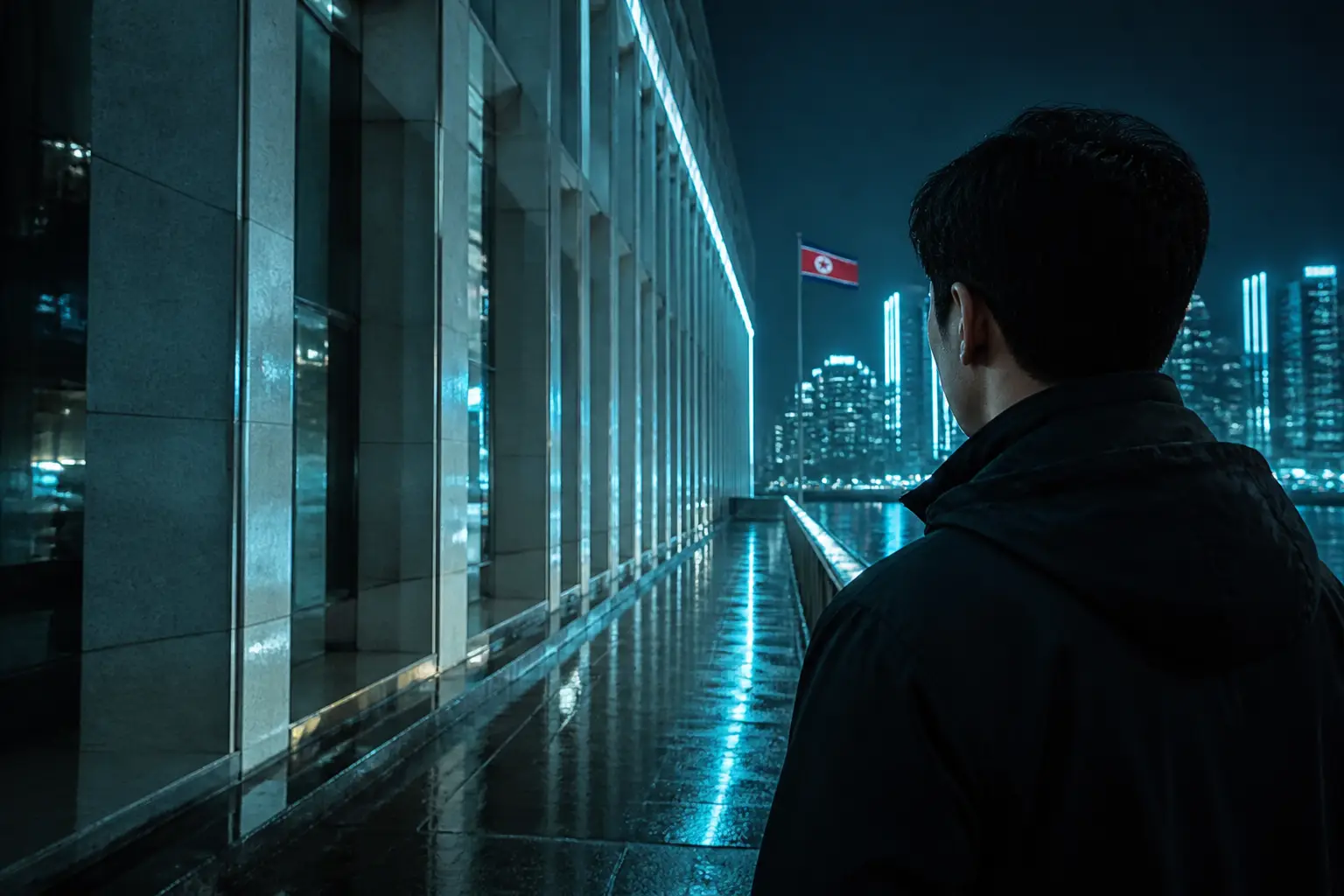
Three South Korean men have been sentenced to prison for their involvement in a massive illegal gambling operation that relied on software developed by North Korean hackers. The case, which concluded at the Seoul Central District Court, revealed a sophisticated network where domestic criminals worked hand-in-hand with intelligence-linked entities from Pjöngjang. This collaboration not only violated gambling regulations but also posed a significant threat to national security, leading to convictions under the National Security Act for some defendants.
The operation was led by a man identified by his surname Kim, who had previously received a five-year sentence. On Thursday, November 12, 2026, his accomplices were handed their own sentences: one received four years, while two others were sentenced to three years each. The court emphasized both the social damage caused by illegal gambling and the gravity of providing financial support to North Korean intelligence operations. The developers involved were reportedly linked to Bureau 313 and the Reconnaissance General Bureau, two organizations central to North Korea's cyber warfare and intelligence gathering.
Numbers and facts
The scale of the enterprise was substantial. Between 2022 and 2024, the network managed to generate approximately 23.5 billion won (roughly $17.6 million) by selling 16 illegal gambling platforms to various operators in South Korea. The financial trail showed that over 7 billion won ($5.2 million) was transferred to the North Korean developers based in China. This amount represented about 30 percent of the total revenue. The NIS (National Intelligence Service) revealed that these developers often charged a flat fee of $5,000 to build a site and a monthly maintenance fee of $3,000.
Investigative records showed that the developers operated out of Dandong, a Chinese city bordering North Korea. They posed as Chinese software engineers to attract clients, but their true identity was eventually betrayed by their language. During more than 1,100 exchanged messages on platforms like Telegram, they used specific North Korean terms. The most notable was sonjeonhwa, the North Korean word for mobile phone, which differs from the South Korean hyudaepon. These linguistic slips provided prosecutors with the evidence needed to challenge the defendants' claims of ignorance regarding the developers' origins.
Background
North Korea has long been suspected of using its IT workforce abroad to generate hard currency for the regime, bypassing international sanctions. This case provides concrete proof of how illegal online gambling serves as a lucrative channel for these efforts. The software commissioned included a mobile version of the infamous slot game Sea Story, which has a history of causing social issues in South Korea. The developers did not just sell the code; they provided ongoing technical support and security management, essentially running the backend of the criminal enterprise from across the border.
"This is the first time that concrete evidence has been disclosed to the public that North Korea is deeply involved in cyber-gambling, which has recently become a serious social problem in South Korea." - Anonymous NIS Spokesperson
Why it matters for German players
This case serves as a stark warning for players in Germany about the dangers of the unlicensed gambling market. When users engage with offshore platforms that lack a GGL (Gemeinsame Glücksspielbehörde der Länder) license, they unknowingly risk their personal data and funds being used to support global criminal syndicates or hostile state actors. Under the German Interstate Treaty on Gambling 2021 (GlüStV 2021), only providers on the official Whitelist are legal. These regulated sites are monitored to ensure that player data is protected and that no malicious code—like the one found in the South Korean case—is embedded in the games.
Furthermore, German regulations include strict player protection measures such as the 1,000 Euro monthly deposit limit and the 1 Euro maximum stake per spin for online slots. These are enforced through the central LUGAS system to prevent problem gambling. Choosing an unlicensed site means forfeiting these protections and potentially becoming a victim of data theft, as seen in the South Korean investigation where personal info of over 1,100 individuals was compromised.
What it means for GGL-licensed casinos
For GGL-licensed casinos, maintaining high standards of software integrity is paramount. The South Korean case demonstrates that even seemingly legitimate software development outsourced to third parties can be infiltrated by malicious actors. Regulated operators in Germany must continue to audit their software supply chains and ensure that all games and platforms are certified by recognized testing labs. Integrity and transparency are the foundations of the legal market, and the strict oversight by German authorities remains the best defense against the type of infiltration described in these reports.
Frequently asked questions
Who was sentenced in this case?
The Seoul Central District Court sentenced three South Korean men to prison terms ranging from three to four years. The alleged leader of the ring had already been sentenced to five years in prison.
How much money was sent to North Korean hackers?
Over 7 billion won (approx. $5.2 million) was transferred to North Korean developers. This represented roughly 30% of the total revenue generated by the illegal gambling sites.
How did authorities identify the North Korean developers?
Investigators found specific North Korean terminology in over 1,100 Telegram messages. The use of the word sonjeonhwa for mobile phone was a key piece of evidence showing the developers' origin.
Which North Korean organizations are linked to this operation?
The developers are allegedly linked to General Bureau 313 and the Reconnaissance General Bureau. The NIS also suspects ties to Bureau 39, which manages slush funds for the North Korean leadership.
Why should German players avoid unlicensed sites?
Unlicensed sites may be run by criminal or hostile actors, leading to data theft and fraud. Only GGL-licensed casinos follow the GlüStV 2021, providing security through LUGAS and strict deposit limits.
Share
About the author

Lisa Lustich
Editor-in-chief & casino tester
Lisa Lustich has been testing German-language online casinos since 1997 and runs the Lustich.de newsroom. More than 400 published reviews, certified player-protection advisor (BZgA training, 2019).
All articles by Lisa Lustich →Sources & further reading
Whitelist of permitted online operators
Editorial guidelines Lustich.de
BZgA problem-gambling helpline: 0800 1 372 700
Gambling can be addictive. Please play responsibly. Help and counselling at 0800 1 372 700 (BZgA, free & anonymous).
Related topics
Further Reading
 AI-GENERATED
Yellow Bat Gaming and BingoPlus Partner for Exclusive Philippine Slot Content
Yellow Bat Gaming has signed a long-term deal with BingoPlus to create bespoke slots, starting with a title featuring the local icon Reyna Ahas.
 AI-GENERATED
Boracay Casino Opposition: Bishops Advocate for Sustainable Tourism
More than 12 Catholic bishops are opposing the new Kaban Hotel and Casino on Boracay, calling for a shift toward family-centric and environmental tourism.
 AI-GENERATED
Japan Proposes 30 Percent Cut in Pachinko Machine Approval Fees
Japan's National Police Agency aims to reduce administrative fees for pachinko inspections from 4,340 JPY to 3,030 JPY by April 2027 due to increased operational efficiency.