
Lithuania Blocks Polymarket: First Major Strike Against Prediction Markets
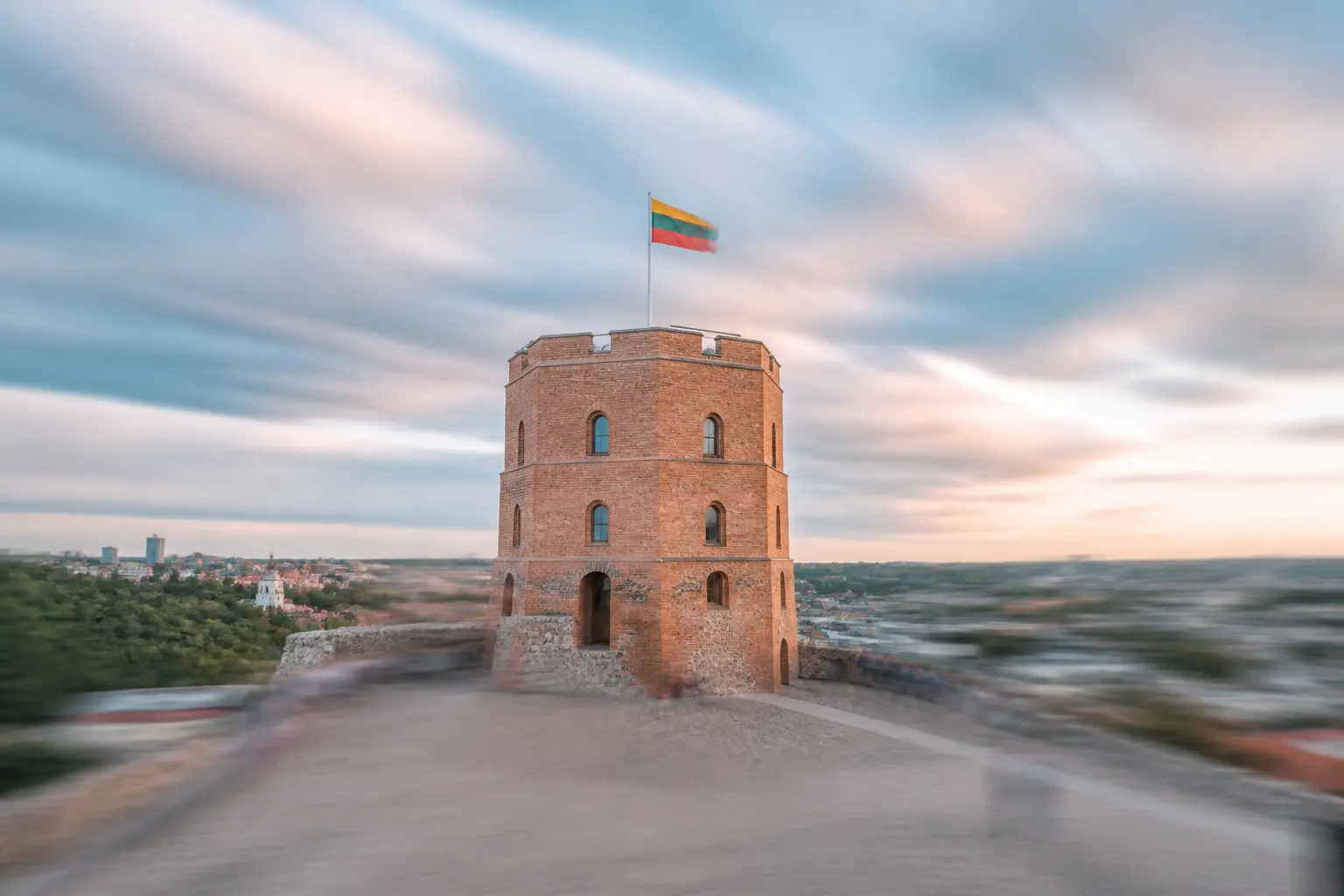 AI-GENERATED
Lithuania's regulator has blocked Polymarket after finding evidence of illegal sports betting. The court order affects both ISPs and financial institutions.
The landscape of online betting is undergoing a massive shift as regulators increasingly shine a light on the gray areas between financial markets and traditional gambling. In Lithuania, this process has reached a preliminary climax. The local Gambling Supervisory Authority, a department under the Ministry of Finance, has officially blocked the popular prediction market Polymarket. This is the first case of its kind in the Baltic state where a prediction market platform has been explicitly classified as an illegal gambling provider and subjected to network blocking.
The decision did not come out of nowhere. The authorities conducted a targeted investigation to examine the nature of the services offered on Polymarket. During this process, investigators managed to create an account, deposit funds, and place bets with fixed odds on the outcome of sporting events. However, since Polymarket does not hold the required authorization for the Lithuanian market, the regulator viewed this as a clear violation of national laws. The Vilnius Regional Administrative Court supported this view and gave the green light for extensive blocking measures.
Numbers and facts
At the center of the investigation is the operator behind the platform, a company called Adventure One QSS. The Lithuanian Gambling Supervisory Authority emphasized that the step was necessary to foil attempts to circumvent restrictions on illegal remote gambling. The court order is comprehensive: it is directed not only at internet service providers, who must technically prevent access to the website, but also at financial institutions. These are now obliged to block transactions related to the site and its operator.
"By issuing the site blocking order to internet service providers, it has 'foiled an attempt to circumvent restrictions on illegal remote gambling'." - Spokesperson for the Gambling Supervisory Authority, Ministry of Finance Lithuania
This measure shows that authorities in the Baltics are pursuing a zero-tolerance policy against providers that evade local supervision. For Polymarket, which made global headlines through bets on political events and sports, this is a significant setback in its European expansion strategy.
Background
Polymarket utilizes cryptocurrencies and smart contracts to allow users to trade on the outcomes of future events. While the company often argues it is an information tool or a prediction market, regulators view it as simple gambling if bets on sports or other random events are possible for money. The fact that the Lithuanian authority was able to conclude fixed-odds sports bets during the test run was the deciding factor for the legal classification. Without a license from the Ministry of Finance, such an offering remains prohibited in Lithuania.
Why it matters for German players
For German players, the situation in Lithuania is a warning signal that underscores the importance of national regulation. In Germany, the Interstate Treaty on Gambling 2021 (GlüStV 2021) strictly regulates who is allowed to offer bets. Anyone playing on platforms without a license from the Gemeinsame Glücksspielbehörde der Länder (GGL) enters a legal gray area and risks losing their balance, as payment service providers can stop transactions. In Germany, strict limits also apply: the cross-provider deposit limit is 1,000 euros per month, and stakes on virtual slot machines are limited to 1 euro per spin. The LUGAS system strictly monitors these limits to ensure player protection. Platforms like Polymarket, which do not have a German license and often operate on a crypto basis, are not on the official GGL whitelist and are therefore illegal for German customers. Access from Germany could lead to similar consequences as in Lithuania, including IP blocks and blocked withdrawals.
What it means for GGL-licensed casinos
Licensed providers in Germany can see this move from Lithuania as confirmation of their own legal strategy. While unregulated platforms like Polymarket may briefly attract users with a lack of limits and crypto anonymity, the case in Lithuania shows how quickly access can be cut off. GGL-licensed casinos, on the other hand, offer legal certainty. The strict rules of the GlüStV 2021, such as the ban on autoplay or the five-second break between spins, serve to protect players and secure the providers' place in the market in the long term. The Adventure One QSS case illustrates that cooperation between the judiciary, the financial world, and gambling supervision is becoming tighter. Those who do not play by the rules will be isolated from the market. This strengthens the position of those who have invested heavily in obtaining a German permit, as unfair competition from illegal competitors is consistently fought.
Frequently asked questions
Why was Polymarket blocked in Lithuania?
Authorities determined that the platform was offering illegal fixed-odds sports betting. Since the operator, Adventure One QSS, does not hold a Lithuanian license, the court ordered the access to be blocked.
Who is technically implementing the block?
Both internet service providers and financial institutions are required by the court order to prevent access to the website and block financial transactions. This is intended to completely stop illegal remote gambling.
What did the regulatory investigation reveal?
Investigators were able to easily create accounts, deposit money, and place bets on sporting events. This proved its character as a gambling provider operating without authorization.
Am I allowed to bet on Polymarket from Germany?
No, Polymarket does not hold a license from the GGL and is not on the whitelist. According to the GlüStV 2021, using such illegal offers in Germany is prohibited and unsafe.
Share
About the author

Lisa Lustich
Editor-in-chief & casino tester
Lisa Lustich has been testing German-language online casinos since 1997 and runs the Lustich.de newsroom. More than 400 published reviews, certified player-protection advisor (BZgA training, 2019).
All articles by Lisa Lustich →Sources & further reading
Whitelist of permitted online operators
Editorial guidelines Lustich.de
BZgA problem-gambling helpline: 0800 1 372 700
Gambling can be addictive. Please play responsibly. Help and counselling at 0800 1 372 700 (BZgA, free & anonymous).
Related topics
Further Reading
 AI-GENERATED
Fanatics Live Lawsuit: Are Card Breaks Unlicensed Online Lotteries?
A California whistleblower lawsuit alleges Fanatics Live operates unlicensed lotteries through 'card breaking'. Some plaintiffs reportedly spent over $4 million on these formats.
 AI-GENERATED
Entain Conflict: Dispute Over SIS Black-Market Deal With MyStake Operator
A confidential contract between supplier SIS and black-market operator Santeda has triggered a rift with major shareholder Entain, which owns 23.4%.
 AI-GENERATED
Tribal Gaming Leaders Unite Against Prediction Markets as Sovereignty Threat
The Indian Gaming Association (IGA) is rallying tribal nations to oppose prediction markets that offer sports betting disguised as financial products.