
Philippine Casinos: PAGCOR Eyes Mandatory Smart Table Tech by 2027
 AI-GENERATED
Regulator PAGCOR is considering a mandate for smart gaming tables to enhance transaction tracking, with implementation expected no earlier than late 2027.
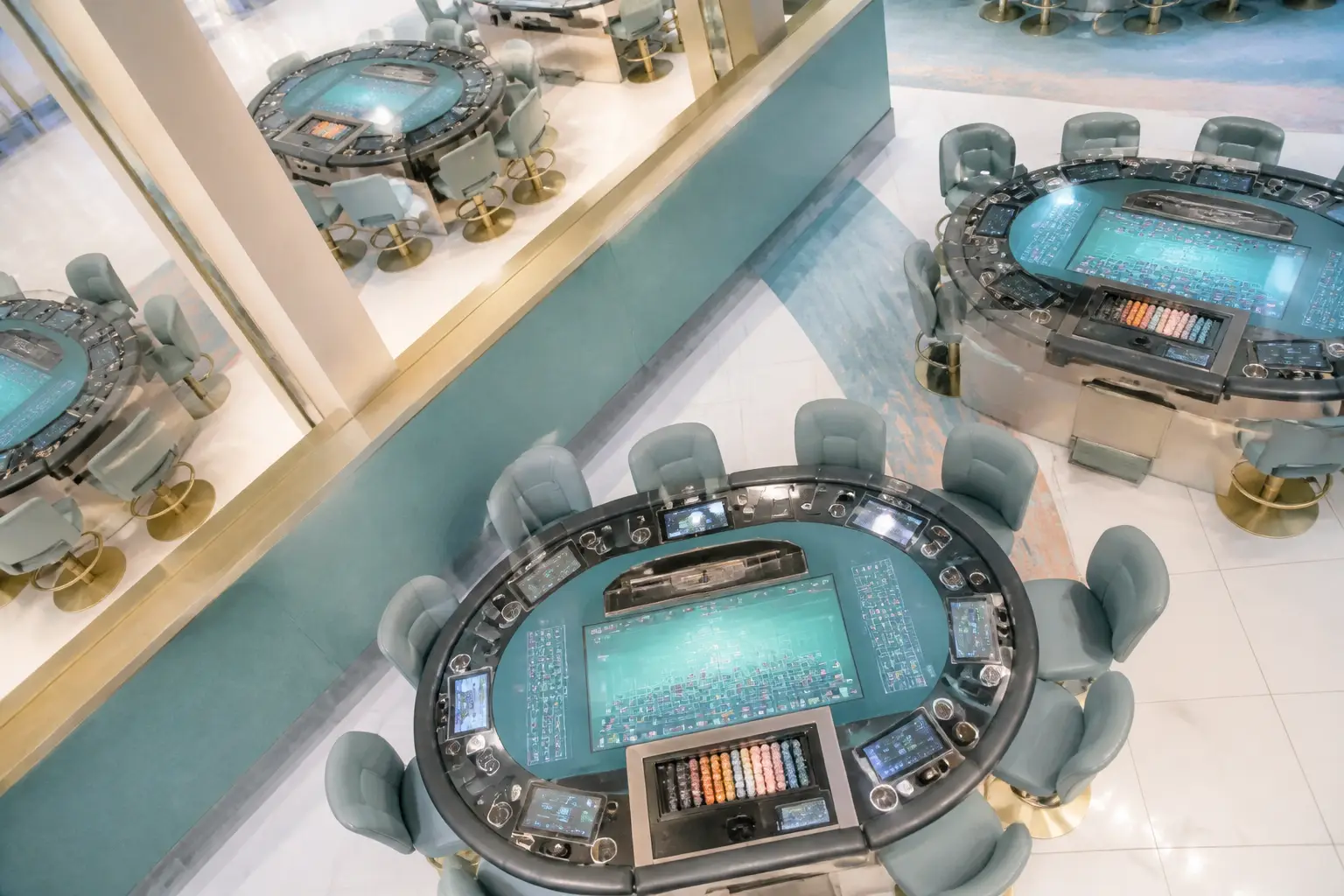
The gambling landscape in the Asia-Pacific region is on the brink of a major technological shift that will further bridge the gap between physical gaming and digital surveillance. The Philippine Amusement and Gaming Corporation (PAGCOR) is currently drafting a policy that could mandate the use of smart gaming tables in all casinos and integrated resorts across the country. The primary goal of this initiative is to provide state authorities with unprecedented visibility into transactions as they happen in real-time on the gaming floor. This move represents a pivotal change in land-based casino regulation, moving away from manual observation toward data-driven enforcement.
While the original timeline suggested an introduction within the current year of 2026, internal sources have confirmed that the process is facing delays. The industry now expects that such a mandate will not take effect until the second half of 2027 at the earliest. This delay is largely attributed to economic factors, as many casino operators are still navigating the aftermath of global economic instability and fluctuating tourism numbers. The high capital expenditure required to upgrade tables presents a significant hurdle, particularly for smaller venues, which PAGCOR cannot afford to ignore.
Numbers and facts
Currently, the adoption of this technology in the Philippines remains limited. Only a handful of operators have implemented these systems on a voluntary basis. Notable examples include the two Solaire properties in Entertainment City and Quezon City, along with Newport World Resorts. Smart tables typically utilize Radio-Frequency Identification (RFID) to track chips and wagers with second-by-second precision.
In comparison, Macau, the world's largest gambling hub, issued similar recommendations back in 2024. There, all six major concessionaires have already integrated the technology extensively. A key driver in Macau was the fiscal component: operators can receive a tax deduction of up to 5% on Gross Gaming Revenue (GGR) if it is generated by foreign players. Smart tables are the only reliable way to capture this data. In the Philippines, PAGCOR’s focus is primarily on maintaining gaming integrity and preventing discrepancies in revenue reporting.
Background
Smart table technology offers far more than just betting surveillance. For operators, it opens new avenues for player loyalty programs. By capturing precise data, rewards can be tailored much more accurately to actual player behavior. Furthermore, these systems allow for the introduction of high-margin side bets that would be difficult to settle manually without errors. However, the financial burden remains the central argument for critics. Consequently, PAGCOR is planning a phased approach. Large-scale Integrated Resorts (IRs) will likely be the first to face the mandate, while smaller casinos will be granted more time to secure the necessary funding.
"The proposed policy is intended to strengthen the local casino industry’s regulatory system by giving authorities better visibility of transactions as they take place across gaming floors." - PAGCOR Representative (as reported by Inside Asian Gaming)
Philippine authorities are currently weighing how much economic pressure can be placed on operators without jeopardizing the market's recovery. Most industry experts agree that the technology is inevitable; only the timing and the specifics of the rollout remain subjects of discussion between the regulator and industry associations.
Why it matters for German players
For German travelers who enjoy visiting casinos in Manila, this development primarily means enhanced security and transparency. Table manipulation becomes virtually impossible with digital tracking. However, it also means that physical casinos will undergo a level of surveillance similar to what German players already experience in the online sector. In Germany, data protection is strictly governed by the State Treaty on Gambling 2021 (GlüStV 2021) and the LUGAS system, which tracks every activity to enforce the 1,000 Euro monthly deposit limit. Players in the Philippines must be aware that their data will now also be digitized and accessible to state bodies like PAGCOR.
What it means for GGL-licensed casinos
German online casinos licensed by the Gemeinsame Glücksspielbehörde der Länder (GGL) have been operating under similar digital monitoring mechanisms for years. Data transmission to authorities is standard practice here. The trend in the Philippines underscores that the global movement toward comprehensive digital oversight in gambling is unstoppable. GGL-licensed providers offer legal certainty and player protection, such as the 1 Euro per spin limit on slots. While Asian casinos are just now beginning to upgrade, the German infrastructure for digital tracking is already fully mature, ensuring a high level of integrity for German players.
Frequently asked questions
When will smart tables become mandatory in the Philippines?
According to current plans by the regulator PAGCOR, a mandatory introduction is not expected until the second half of 2027. The implementation was originally planned for 2026 but was delayed due to economic concerns.
Which casinos are already using this technology?
Currently, only a few operators use smart tables, including Solaire casinos in Entertainment City and Quezon City, as well as Newport World Resorts. The majority of Philippine casinos still use traditional monitoring methods.
What is the main benefit of these digital gaming tables?
They allow for real-time monitoring of all bets and transactions using RFID technology. This increases transparency for regulators and helps operators optimize their player loyalty programs.
Will all casinos have to introduce the technology at the same time?
No, the regulator plans a phased rollout starting with large integrated resorts. Smaller casinos will be given more time to raise the significant investment costs for the new hardware.
Are there similar monitoring systems in Germany?
In Germany, monitoring is primarily ensured in the online sector through the LUGAS system and the GGL. Land-based casinos in Germany are also subject to strict controls but have not yet implemented the RFID table technology planned for the Philippines on a wide scale.
Share
About the author

Lisa Lustich
Editor-in-chief & casino tester
Lisa Lustich has been testing German-language online casinos since 1997 and runs the Lustich.de newsroom. More than 400 published reviews, certified player-protection advisor (BZgA training, 2019).
All articles by Lisa Lustich →Sources & further reading
Whitelist of permitted online operators
Editorial guidelines Lustich.de
BZgA problem-gambling helpline: 0800 1 372 700
Gambling can be addictive. Please play responsibly. Help and counselling at 0800 1 372 700 (BZgA, free & anonymous).
Related topics
Further Reading
 AI-GENERATED
Malta Tax Overhaul: New VAT and Gaming Tax Rules Effective from October
Malta has implemented significant changes to its gaming tax and VAT framework as of October 1, 2026, aiming to clarify exemptions and streamline reporting.
 AI-GENERATED
Tribal Gaming Leaders Unite Against Prediction Markets as Sovereignty Threat
The Indian Gaming Association (IGA) is rallying tribal nations to oppose prediction markets that offer sports betting disguised as financial products.
 AI-GENERATED
Entain Conflict: Dispute Over SIS Black-Market Deal With MyStake Operator
A confidential contract between supplier SIS and black-market operator Santeda has triggered a rift with major shareholder Entain, which owns 23.4%.