Gambling History Unveiled: New Exhibit In Hot Water Opens in Arkansas
 AI-GENERATED
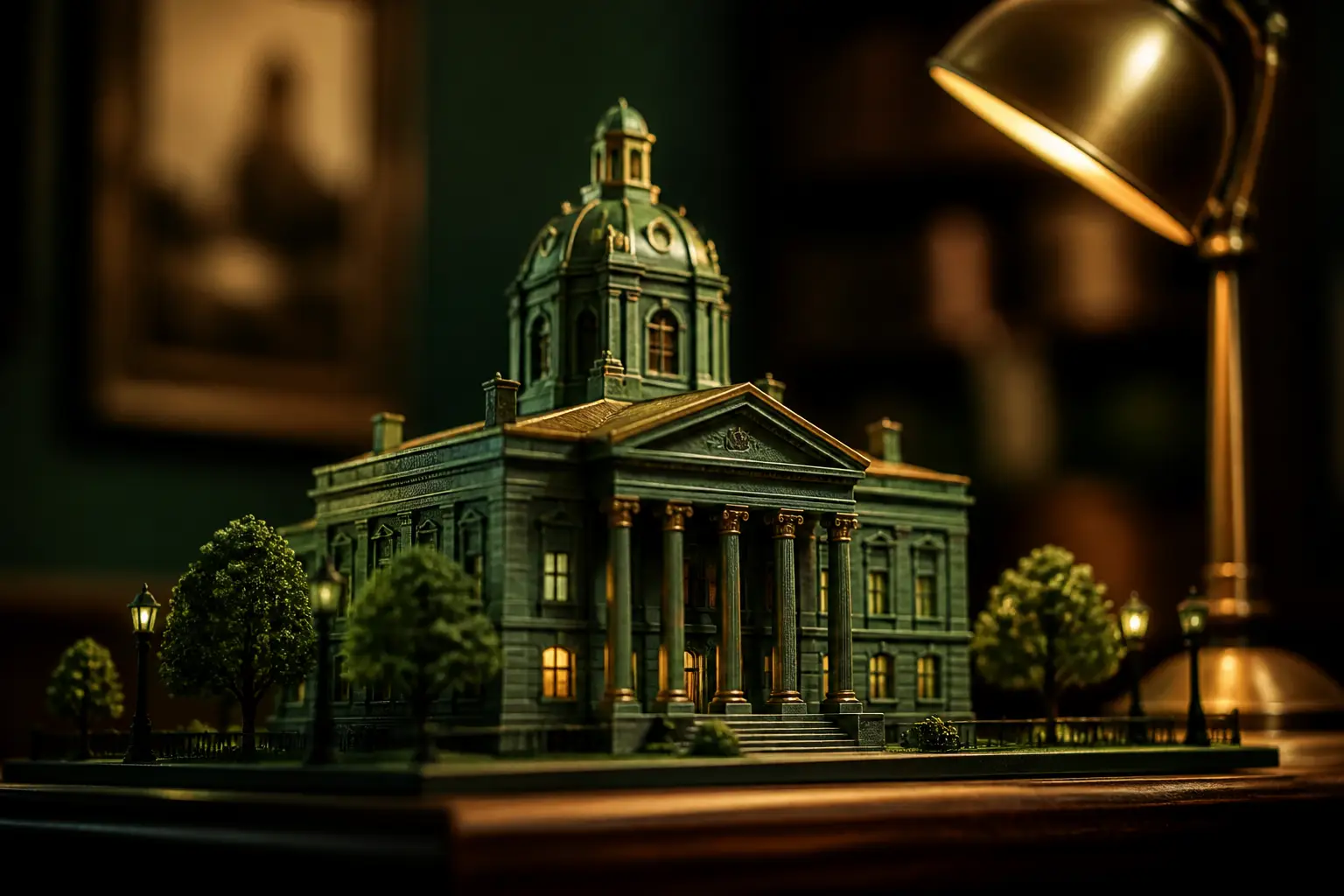
The Old State House Museum in Little Rock debuts a new exhibit on October 9, featuring 80 vintage slot machines and the illicit history of Hot Springs.
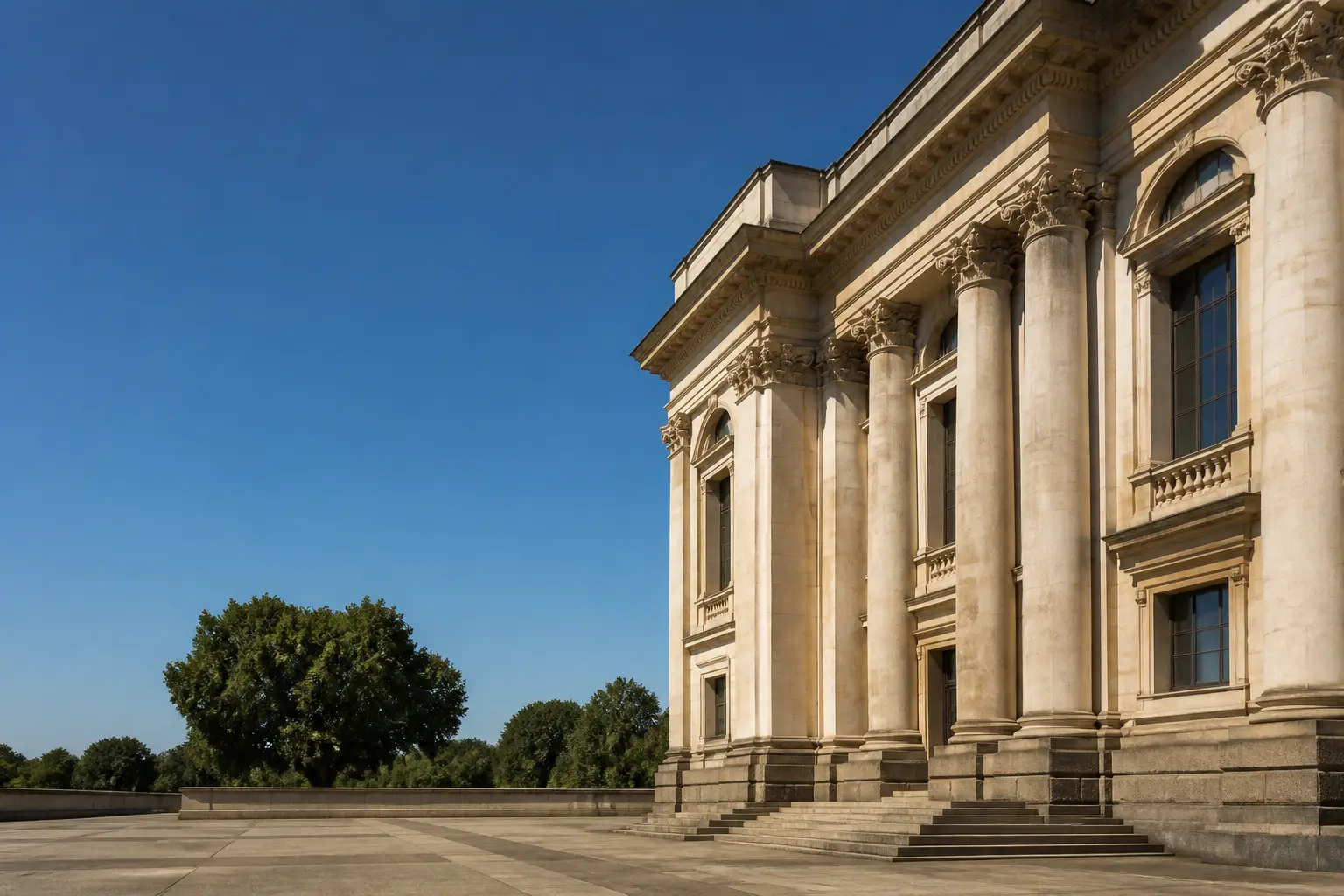
The Old State House Museum in Little Rock is set to unveil a captivating look into the region's complex past. Titled In Hot Water: Betting on the Spa City, the new exhibit focuses on the dramatic rise and eventual suppression of gambling in Hot Springs, Arkansas. The grand opening is scheduled for Friday, October 9, at 5:30 p.m. local time. The event will be hosted on the museum's front lawn and will feature a live performance by Easton Thomas, a musician known for his blend of country, Americana, and rock music. This historical journey is open to the public free of charge, offering an educational perspective on how the city became a gambling mecca.
The origins of this culture date back to the post-Civil War era. During this time, thousands of visitors flocked to the natural thermal springs seeking therapeutic benefits for various ailments. However, the lengthy periods required for recuperation created a demand for leisure activities. According to museum officials, this downtime directly contributed to the flourishing of a vibrant, albeit often illegal, gambling scene. The springs provided the health benefits, but the casinos provided the entertainment that kept visitors in town for weeks.
Numbers and facts
The exhibit showcases an impressive array of memorabilia curated through partnerships with local historians Lanny Beavers and Chris Hendrix. The collection includes 80 functional slot machines, 15 of which were originally operated within the city limits of Hot Springs. Furthermore, visitors can view ten original gaming tables and countless artifacts from legendary venues like the Vapors, the Southern Club, and the Belvedere Club. The history of local horse racing is also represented through items from Oaklawn Park and the now-defunct Essex Park Racetrack.
A significant contributor to the exhibit is Tony Frazier, a former employee of the Spa City Amusement Co. During the 1960s, this company was responsible for building and maintaining the very machines that fueled the city's economy. Frazier was present during the pivotal 1967 raid by the Federal Bureau of Investigation (FBI), which marked the beginning of the end for the city's wide-open gambling era. His personal collection and restored machines form a cornerstone of the display.
"After the Civil War, people visited the natural hot springs in pursuit of what they hoped were restorative health benefits. The downtime that came with recuperation from illness gave rise to recreational activities and with that, gambling culture in Hot Springs flourished." - Museum Official Release, Old State House Museum
Background
For decades, Hot Springs was a unique anomaly in the American landscape. While most states strictly prohibited gambling, local authorities in Garland County often allowed the practice to continue undisturbed. This environment attracted not only wealthy tourists but also high-profile figures from the organized crime world. It wasn't until the late 1960s, following intense pressure from the Arkansas State Police and federal agents, that the casinos were finally shuttered. The exhibit at the Old State House Museum examines this delicate balance between economic prosperity driven by the "grey market" and the eventual enforcement of the law.
To make the experience more interactive, the museum allows visitors to use the restored slot machines using tokens provided by the institution. This hands-on approach brings the history of the 1920s through the 1960s to life. Tony Frazier continues to restore these vintage machines in his workshop, ensuring that the mechanical history of the Spa City is preserved for future generations.
Why it matters for German players
For players in Germany, the history of Hot Springs serves as a reminder of why a regulated market is essential. The chaotic era of illegal casinos in Arkansas eventually led to federal crackdowns because there was no oversight. In contrast, Germany's Interstate Treaty on Gambling 2021 (GlüStV 2021) establishes a safe, legal framework. By playing at casinos on the GGL whitelist, German residents avoid the risks associated with unregulated sites. Measures like the 1,000 Euro monthly deposit limit and the LUGAS central database ensure that the industry remains transparent and focused on player protection, preventing the kind of systemic corruption seen in the historic Spa City.
What it means for GGL-licensed casinos
The downfall of the Hot Springs gambling scene emphasizes that long-term business stability requires legal compliance. For GGL-licensed operators in Germany, the strict regulations regarding the 1 Euro spin limit and advertising bans are the price for legal certainty. Unlike the owners of the Southern Club or the Vapors who lived in constant fear of the 1967 FBI raids, modern licensed operators have a protected status within the law. The Arkansas exhibit highlights that without formal regulation, even the most successful gambling hub is vulnerable to sudden closure and legal prosecution.
Frequently asked questions
When does the gambling exhibit in Arkansas open?
The exhibit, titled In Hot Water: Betting on the Spa City, officially opens on Friday, October 9, 2026, at 5:30 p.m. The opening ceremony at the Old State House Museum is free for the public to attend.
What historical items can visitors see?
The collection features 80 functional slot machines and gaming tables from iconic venues like the Southern Club and the Vapors. It also includes photos and documents from the 1967 FBI raids that ended the illegal gambling era.
Are visitors allowed to bet real money in the exhibit?
No, betting with real money is not permitted. Visitors can use the restored machines with play money provided by the museum to experience the mechanical feel of the vintage equipment.
Who was Tony Frazier and what is his role in the collection?
Tony Frazier worked for Spa City Amusement Co. in the 1960s, maintaining and building slot machines. He contributed his private collection and technical expertise to the exhibit after witnessing the 1967 law enforcement raids.
How does the historical situation in Arkansas compare to modern gambling in Germany?
Unlike the illegal gambling era in Hot Springs, German gambling is strictly regulated by the 2021 Interstate Treaty. Players should only use GGL-whitelisted sites to ensure they are protected by limits and legal oversight.
Share
About the author

Lisa Lustich
Editor-in-chief & casino tester
Lisa Lustich has been testing German-language online casinos since 1997 and runs the Lustich.de newsroom. More than 400 published reviews, certified player-protection advisor (BZgA training, 2019).
All articles by Lisa Lustich →Sources & further reading
Whitelist of permitted online operators
Editorial guidelines Lustich.de
BZgA problem-gambling helpline: 0800 1 372 700
Gambling can be addictive. Please play responsibly. Help and counselling at 0800 1 372 700 (BZgA, free & anonymous).
Related topics
Further Reading
 AI-GENERATED
Aidan Jacobs Triumphs at Inaugural African Poker Championship in Tanzania
After a grueling 17-hour final day, Adriaan Jacobs secured victory at the first APC Main Event in Dar Es Salaam, taking home $48,000 in prize money.
 AI-GENERATED
Balkan Gaming Federation Appoints Dragan Skrbić as Inaugural President
The Balkan Gaming Federation (BGF) has established its leadership in Bucharest. Dragan Skrbić will lead the seven-nation alliance against illegal gambling markets.
 AI-GENERATED
Bulgarian Gambling Crisis: Annual Losses Reach Nearly One Billion Euro
Online gambling turnover in Bulgaria surged to 67 billion BGN in 2025. Minors are bypassing age restrictions using fake accounts and parental cards.