New Zealand Poker Regulation: Major Shift for Players Starting December
 AI-GENERATED
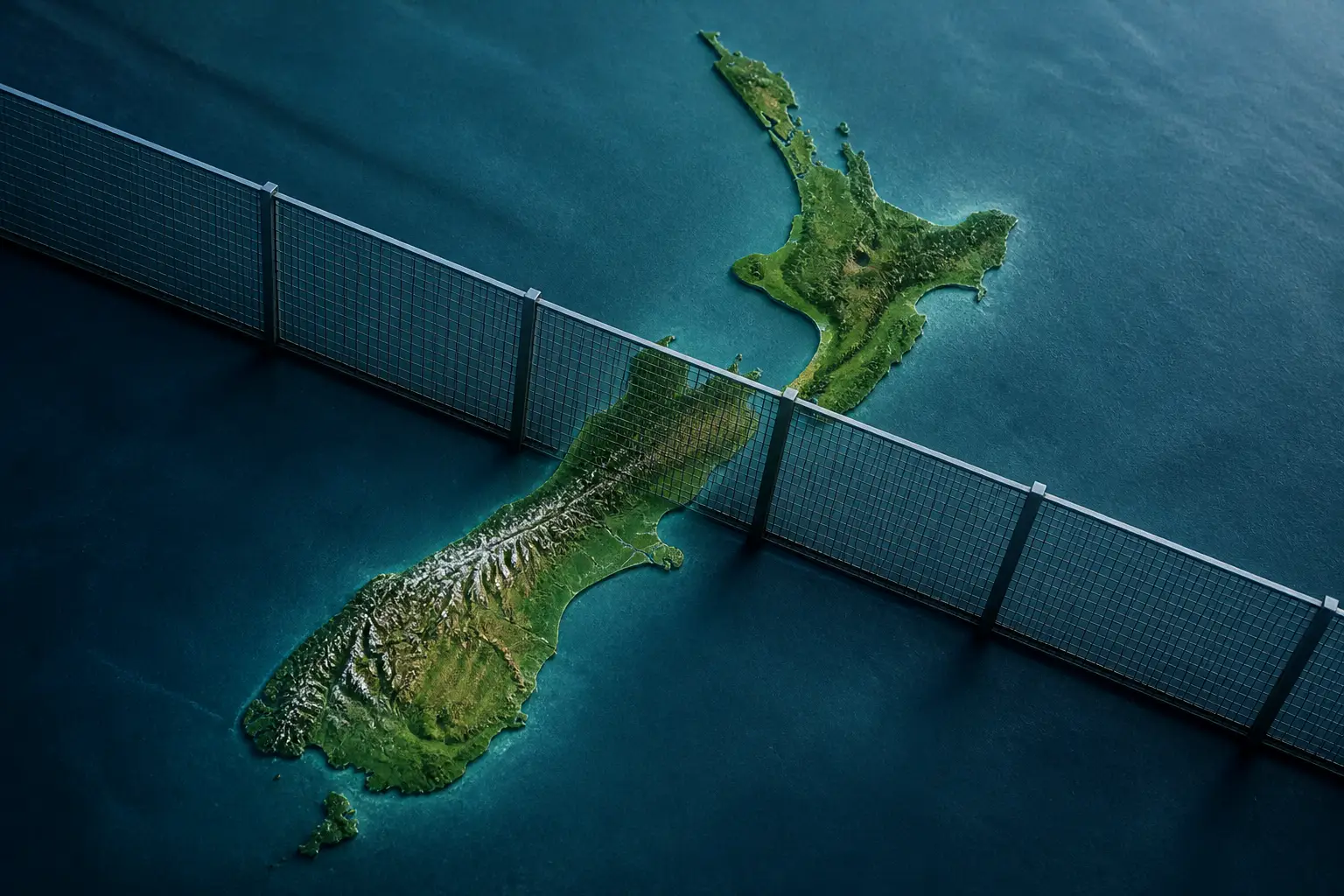
Starting December 1, 2026, New Zealand will implement a new licensing regime. Only 11 entities are cleared to apply for 15 available casino licenses, impacting poker players.
The online gambling landscape in New Zealand is undergoing a seismic shift. Starting December 1, every provider without a locally issued license must cease operations within the country. This move particularly affects the poker community, as the era of unrestricted access to international player pools is coming to an end. The Department of Internal Affairs (DIA) recently identified eleven entities eligible to apply for the 15 online casino licenses up for grabs. For poker enthusiasts, the list is concerning, as most eligible applicants focus solely on traditional casino games.
Historically, New Zealanders enjoyed seamless participation in global player pools, ensuring high traffic and massive tournament guarantees. The new regulatory framework effectively cuts this cord. The government's objective is clear: fiscal accountability and consumer protection. Minister Brooke van Velden emphasized that the new law closes gambling tax loopholes, requiring licensed operators to contribute to the national economy like any other business. However, for serious players, the resulting market concentration could lead to a significant decline in game variety and prize pools.
Numbers and facts
Data from the DIA reveals the scale of the challenge. Among the eleven cleared entities, only Stake currently operates a peer-to-peer poker platform. While Stake is a major global player, its poker product remains a niche offering compared to industry giants. The international site averages roughly 300 concurrent cash game players, a fraction of the traffic seen on global networks. Nevertheless, Stake records about 8,000 daily tournament entries, positioning it as the likely dominant legal force in the new market.
Entain, another prominent name on the list, has secured the right to two licenses. The company, which owns PartyPoker, intends to use these licenses for its BlackRush and TAB brands. While poker could technically be offered under these licenses, no official plans for a PartyPoker launch have been confirmed. Meanwhile, giants like GGPoker and PokerStars are notably absent from the winner's list. Their only viable path back into the market is through B2B partnerships, similar to GGPoker’s existing collaborations in Denmark and Lebanon.
Background
Regulation efforts intensified in early 2026. The pivotal Online Casino Gambling Bill passed its third reading on April 23 and subsequently received Royal Assent from the Governor-General. This constitutional formality solidified the transition to a regulated market. The Minister of Internal Affairs highlighted the importance of this step for the coalition government's agenda.
"The Bill … supports the coalition agreement by closing the gambling tax loophole and requiring licensed online casino operators to pay tax, just like any other business operating in New Zealand." - Brooke van Velden, Minister of Internal Affairs
For the professional poker scene, this is a major blow. With three licenses still unassigned to specific, named operators, a small window of hope remains. Unless these undisclosed entities turn out to be major poker networks, players will be left with very limited options. The fear is that a ring-fenced national market will lack the liquidity needed for high-stakes games and diverse tournament schedules.
Why it matters for German players
The situation in New Zealand mirrors the regulatory environment in Germany under the GlüStV 2021. German players are already familiar with the consequences of a closed, regulated market, such as the mandatory 1,000 Euro monthly deposit limit monitored by the LUGAS system. Furthermore, the 1 Euro stake limit for slots and the heavy taxation of poker stakes have fundamentally changed the gaming experience. New Zealand's transition serves as a reminder that the days of the "Wild West" in online gambling are over, replaced by national oversight and strict compliance requirements.
What it means for GGL-licensed casinos
For operators holding a GGL license, the New Zealand case study reinforces the global trend toward localized regulation. The separation from global liquidity is a critical issue that also affects the German market. Licensed providers must demonstrate their ability to offer competitive products within the confines of strict technical monitoring via LUGAS and OASIS. The focus is shifting toward quality and player safety. While the hurdles are high, the legal certainty provided by a GGL license is becoming the gold standard in a world where unregulated access is rapidly disappearing.
Frequently asked questions
When does the new gambling regulation in New Zealand take effect?
The new licensing requirements and regulations will be fully enforced starting December 1, 2026. After this date, only locally licensed operators may serve the market.
Which poker operator has the best outlook in New Zealand?
Stake is currently the only applicant on the list of eleven approved entities that has a ready-to-use peer-to-peer poker client integrated into its platform.
Can PokerStars and GGPoker continue to operate in New Zealand?
Not directly, as they did not receive licenses in the initial phase. They must partner with one of the eleven licensed entities to offer their services as a franchise or white-label solution.
Why is New Zealand implementing these licenses?
The primary goals are to close tax loopholes, ensure international companies pay local taxes, and improve player protection through government oversight.
How does the New Zealand situation compare to Germany?
Both countries have moved toward a strict licensing system and whitelisting. Germany's GGL enforces even stricter limits, such as the 1,000 Euro deposit cap and 1 Euro spin limit, whereas New Zealand focuses heavily on taxation.
Share
About the author

Lisa Lustich
Editor-in-chief & casino tester
Lisa Lustich has been testing German-language online casinos since 1997 and runs the Lustich.de newsroom. More than 400 published reviews, certified player-protection advisor (BZgA training, 2019).
All articles by Lisa Lustich →Sources & further reading
Whitelist of permitted online operators
Editorial guidelines Lustich.de
BZgA problem-gambling helpline: 0800 1 372 700
Gambling can be addictive. Please play responsibly. Help and counselling at 0800 1 372 700 (BZgA, free & anonymous).
Related topics
Further Reading
 AI-GENERATED
Amsterdam Gaming Summit: SBC and VNLOK Seal New Strategic Alliance
SBC and the Dutch association VNLOK announce a multi-year partnership for SBC Summit Europe 2027, expecting over 8,000 industry attendees.
 AI-GENERATED
Cedar Crossing Casino in Iowa: Strict Inspections Ahead of November Opening
The Cedar Crossing Casino is set to open on November 19th. Regulators are currently inspecting 700 slot machines to ensure software integrity and prevent tampering.
 AI-GENERATED
Anjouan License Scandal: Illegal Gambling Network Exposed in London
An investigation reveals how British businessmen are misusing the identity of the island of Anjouan for illegal casino licenses. The Central Bank of Comoros warns of criminal activities.