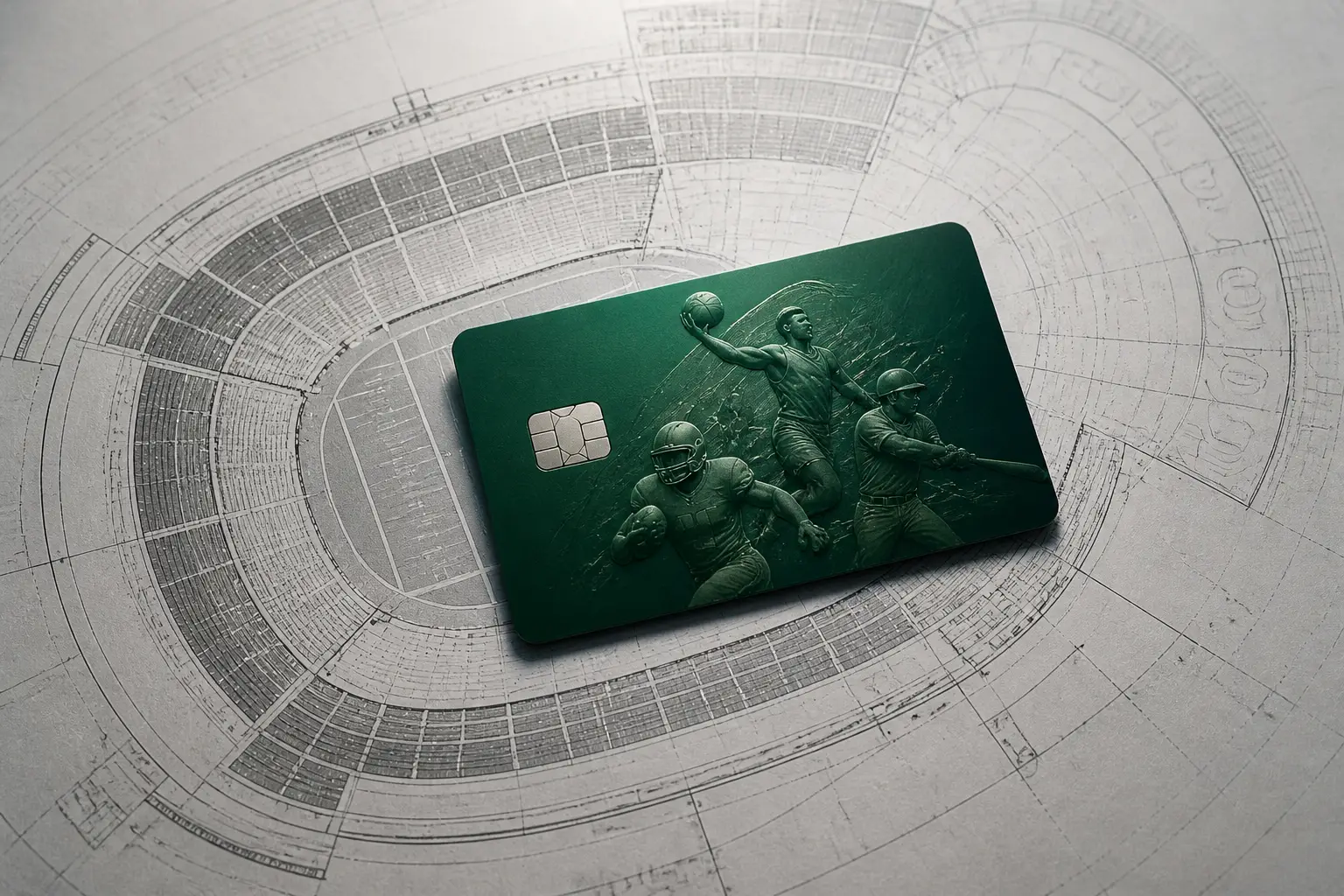
Military Stigma Blocks Early Gambling Intervention for Service Members
 AI-GENERATED
A study released on November 11, 2026, warns that military culture prevents early help-seeking. The US government earns $100 million annually from base slot machines.
On this Veterans Day, November 11, 2026, a new report highlights a silent crisis within the armed forces. Service members and veterans are disproportionately affected by gambling disorders, yet the specific culture of the military often prevents effective intervention. The fear of appearing weak or jeopardizing career advancement leads many to hide their struggles until a full-blown financial or personal crisis occurs.
The psychological toll of military service is significant. Constant stress, exposure to trauma, and frequent relocations create a fertile ground for risky behaviors. In an environment described as competitive by design, many turn to slot machines or sports betting for excitement or escape. Demographics play a key role as well, since the forces are primarily composed of young males, the group most susceptible to developing gambling problems.
Numbers and facts
The economic side of this issue is particularly controversial. The Department of Defense (DoD) houses an estimated 3,000 slot machines on overseas military bases. These machines are a major revenue source, bringing in an estimated $100 million a year for the federal government. While the DoD claims this money is reinvested into morale, welfare, and recreation, critics point to a conflict of interest where the state profits directly from the gambling habits of its troops.
The Kindbridge Research Institute, through its Financial Stability and Responsible Gaming Initiative (FSRG), warns that early detection is currently failing. Their report, Gambling-Related Financial Harm in Military Communities, emphasizes that military identity often stands in the way of self-help.
"We need to recognize the warning signs of gambling-related financial harm earlier, while also addressing the stigma and career concerns that can keep service members and veterans from seeking help." - Dishi Umfleet, Executive Director of the Kindbridge Research Institute
Background
The current political climate within the military leadership adds another layer of complexity. Defense Secretary Pete Hegseth has taken a hardline stance against what he calls woke culture. Speaking at Marine Corps Base Quantico in September 2025, he declared an end to overly sensitive leadership. This rhetoric of toughness may inadvertently increase the barriers for soldiers who need to admit to a behavioral addiction or mental health struggle.
To combat this, the study recommends partnering with third-party nonprofits to offer anonymous telehealth and self-check services. Furthermore, unit commands should be trained to view gambling problems as a readiness issue rather than a disciplinary one. Integrating gambling questions into routine annual health screenings is another key suggestion to catch problems before they escalate.
Why it matters for German players
While the specific context of US military bases is unique, the underlying issues of stress and gambling risk apply globally. In Germany, players are protected by the Interstate Treaty on Gambling 2021 (GlüStV 2021). This regulation includes strict player protection measures that are especially vital for high-stress professions. The cross-operator monthly deposit limit of 1,000 Euros, monitored by the LUGAS system, is designed to prevent financial ruin. Additionally, the 1 Euro per spin limit on virtual slots slows down the pace of potential losses.
For German citizens, even those serving abroad, using GGL-licensed casinos is the only way to ensure legal protection. While US soldiers face state-sanctioned machines on their own bases, the German regulatory framework provides a much tighter safety net through the official whitelist and the OASIS exclusion system. Anyone noticing signs of addiction in Germany can self-exclude across all licensed platforms, a step that is often avoided in the US military due to the fear of career repercussions.
What it means for GGL-licensed casinos
Operators holding a German license must continuously refine their algorithms for early detection of problematic gambling. The US study shows that young men under stress are particularly prone to excessive gambling. GGL-licensed casinos are legally required to intervene when suspicious patterns emerge and to implement social concepts for player safety. This stands in sharp contrast to the 3,000 slot machines on US bases, which lack modern responsible gaming tools. For German operators, this means taking their responsibility seriously to maintain their standing with the regulatory authority in Halle.
Frequently asked questions
Why do soldiers rarely seek help for gambling problems?
According to the Kindbridge study, military stigmas, career concerns, and a competitive culture prevent early intervention. Many fear disciplinary action or damage to their reputation within their unit.
How many slot machines does the US military operate on overseas bases?
It is estimated that the Department of Defense (DoD) operates approximately 3,000 slot machines on foreign bases. these devices generate over $100 million in annual revenue for the US government.
What measures does the study recommend to improve player protection?
Researchers suggest anonymous telehealth services, better training for commanders to spot warning signs, and integrating gambling screenings into routine annual health check-ups. The goal is to treat addiction as a readiness issue.
How does the protection for German players differ from the US military situation?
In Germany, the GlüStV 2021 protects players via the LUGAS system with a 1,000 Euro deposit limit and the OASIS exclusion system. These central state controls are absent on US bases, where the state even acts as the operator.
Share
About the author

Lisa Lustich
Editor-in-chief & casino tester
Lisa Lustich has been testing German-language online casinos since 1997 and runs the Lustich.de newsroom. More than 400 published reviews, certified player-protection advisor (BZgA training, 2019).
All articles by Lisa Lustich →Sources & further reading
Whitelist of permitted online operators
Editorial guidelines Lustich.de
BZgA problem-gambling helpline: 0800 1 372 700
Gambling can be addictive. Please play responsibly. Help and counselling at 0800 1 372 700 (BZgA, free & anonymous).
Related topics
Further Reading
 AI-GENERATED
Gizbo Casino: How Players Can Stop Unwanted Marketing and Spam
Unwanted emails and push notifications are a common issue for many casino users. Gizbo Casino offers several ways to opt out of marketing communications.
 AI-GENERATED
Swiss Regulator Gespa Reports Failures in Retail Age-Verification Checks
A Gespa review found that nearly 50 percent of underage mystery shoppers could place bets at Swiss retail points, highlighting a gap between online and land-based safety.
 AI-GENERATED
New Identity and Capital: Groupe Casino Rebrands as Plesio
The traditional Groupe Casino is now operating under the name Plesio. Major shareholder Daniel Kretinsky is rescuing the group with fresh capital and debt restructuring.