
DMCA Abuse: Pin-Up Suspected of Censoring iGaming Journalism
 AI-GENERATED
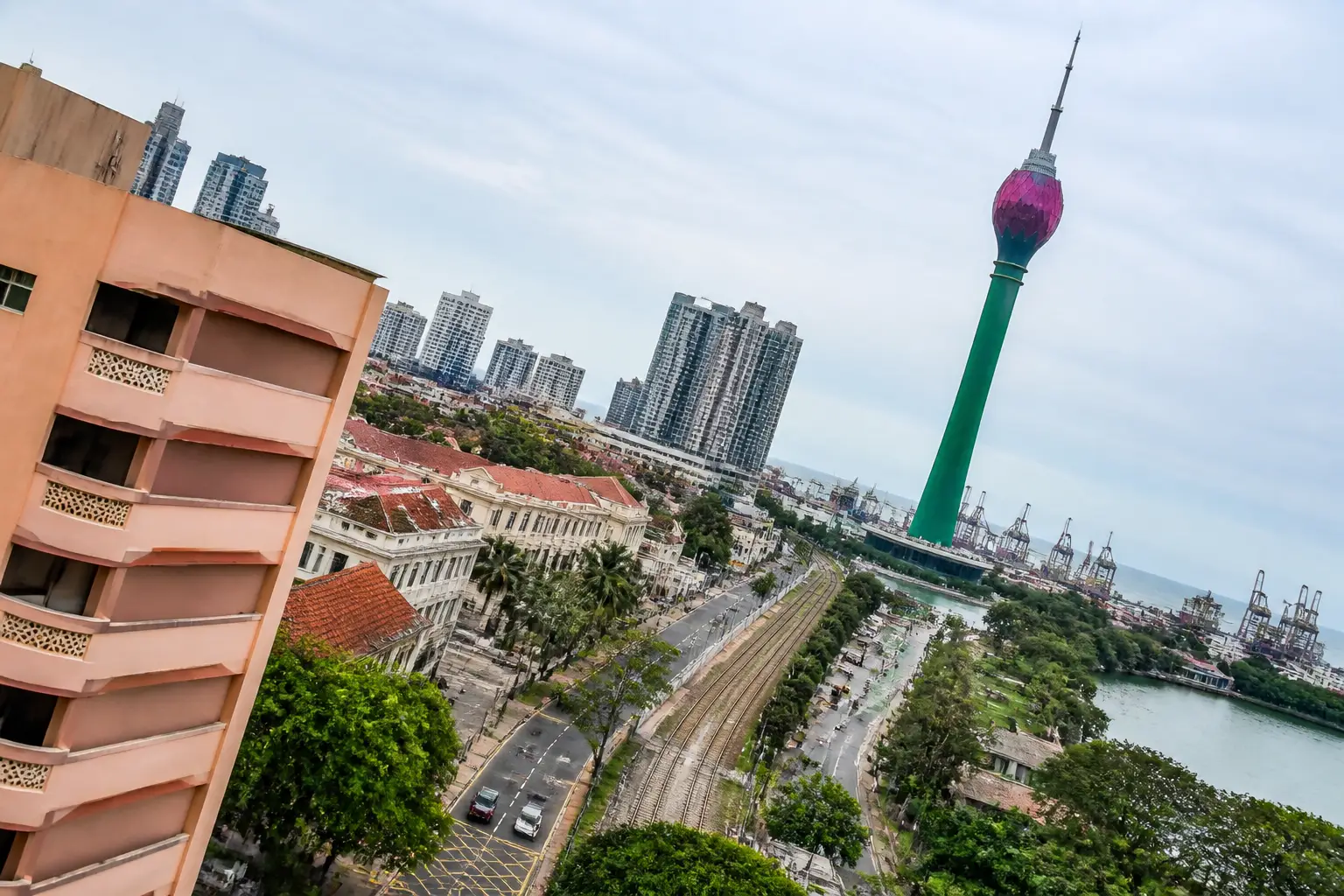
Reports on blocked domains in Sri Lanka triggered massive copyright complaints against industry media. A lawyer named Volodymyr Chernyshevych is at the center of the controversy.
The world of online gambling is often opaque, but when national authorities intervene, transparency is essential for player protection. Recent events show a disturbing trend: inconvenient facts are increasingly being pushed out of the digital space using legal tricks. The focus is on the Digital Millennium Copyright Act (DMCA), a U.S. law originally intended to protect creators. In the case of the operator Pin-Up, this mechanism is apparently being used to make journalistic reports about regulatory problems in Sri Lanka and Kazakhstan invisible.
This is a dangerous development for press freedom within the gambling industry. Specialized portals reported in August on the blocking of Pin-Up domains because they lacked the locally required licenses. Shortly thereafter, redemptions received complaints claiming that the reporting infringed on copyrights. However, regulatory decisions and facts about a corporate brand are not intellectual property that can be kept under lock and key. This tactic aims to destroy the visibility of critical articles in search engines like Google.
Numbers and facts
On August 7, 2026, a trade publication released information regarding the blocking of a total of 24 gambling websites by authorities in Sri Lanka. Among the affected domains was Pin-Up. The basis for this report was not independent speculation but official government data and reports from local media such as the Daily FT. Nevertheless, a DMCA complaint was filed. The sender was identified as Volodymyr Chernyshevych, presented as a lawyer for Pin-Up, although his exact connection to the company could not be independently verified.
A similar case occurred in Kazakhstan. The media outlet FBRK reported on June 25, 2026, that it also received a DMCA complaint following a report on Pin-Up and Pinco. This was based on information from the Kazakh Financial Monitoring Agency. In this instance, the complaint even caused the outlet's entire website to go offline temporarily as the hosting provider was pressured via Cloudflare. The complaint absurdly claimed that the copyrighted work was simply the name "PIN-UP."
Background
The core issue with the DMCA is the notice-and-takedown procedure. Platforms like Google or hosting providers often remove content preemptively to avoid liability. This shifts the burden of proof to the journalists. A transparency report published by Automattic in February 2026 illustrates the scale: a single organization submitted over 838 invalid notices during the second half of 2025. This flood of requests consumes resources and may force smaller publishers to avoid critical topics entirely to bypass technical blocks.
"Copyright does not protect facts. Reporting on a regulatory decision concerning Pin-Up therefore does not require Pin-Up’s permission." - Maciej Akimow, Editor-in-Chief at iGaming Express
Such strategies are reminiscent of the practices of the company Eliminalia, which gained notoriety in 2023 through the Story Killers investigation. There, fake copyright claims were also used to erase negative headlines about corrupt politicians or questionable firms from the web. In the iGaming world, where trust is paramount, such actions undermine necessary market transparency.
Why it matters for German players
For German players, free reporting on the legal status of operators is vital. The German Interstate Treaty on Gambling 2021 (GlüStV 2021) sets clear rules for player protection, including a monthly deposit limit of 1,000 euros and a 1 euro per spin limit for virtual slots. These rules only apply to operators on the official whitelist of the Gemeinsame Glücksspielbehörde der Länder (GGL). When an operator attempts to suppress information about licensing issues abroad using DMCA complaints, it is a massive warning sign regarding their integrity. Players should not rely on marketing promises but check if an operator is registered in the LUGAS system. Anyone playing with an unlicensed operator faces high risks, as protection against gambling addiction and the security of deposits are not monitored by German authorities.
What it means for GGL-licensed casinos
Serious casinos licensed in Germany operate in a strictly regulated environment. They are obligated to maintain transparency and work closely with the GGL. For these companies, the abuse of DMCA procedures by competitors or illegal operators is anti-competitive. If media are intimidated by unfounded lawsuits, the quality of market observation overall declines. Conversely, GGL-licensed casinos benefit from a strong specialized press that clearly distinguishes between legal, regulated offers and dubious offshore platforms. The integrity of the German market depends on players having access to unadulterated information about the licensing and behavior of gambling companies.
Frequently asked questions
What is a DMCA complaint in the gambling context?
A DMCA takedown is a legal process claiming that a website is using copyrighted content without permission. In iGaming, this is being misused to remove critical reports about missing licenses or government blocks from search engines.
Who is Volodymyr Chernyshevych?
In current reports, Volodymyr Chernyshevych is named as a lawyer who filed complaints against niche media on behalf of the gambling operator Pin-Up. His exact professional qualifications and relationship with the company have not yet been independently confirmed.
Why is deleting articles about Pin-Up problematic?
The articles were based on official information from government authorities in Sri Lanka and Kazakhstan. When companies disguise facts about regulatory actions as copyright infringements, they hinder public oversight and consumer protection against unlicensed offers.
What role does the GGL play in such conflicts?
The Joint Gambling Authority of the States (GGL) ensures transparency in Germany through its whitelist. While it is not directly responsible for DMCA proceedings, it protects German players by only granting licenses to operators who follow strict rules and are legally accountable.
How can I tell if an online casino is legal in Germany?
A legal online casino must be on the official GGL whitelist. Furthermore, serious providers can be recognized by their connection to the LUGAS system and references to the Interstate Treaty on Gambling 2021 on their website.
Share
About the author

Lisa Lustich
Editor-in-chief & casino tester
Lisa Lustich has been testing German-language online casinos since 1997 and runs the Lustich.de newsroom. More than 400 published reviews, certified player-protection advisor (BZgA training, 2019).
All articles by Lisa Lustich →Sources & further reading
Whitelist of permitted online operators
Editorial guidelines Lustich.de
BZgA problem-gambling helpline: 0800 1 372 700
Gambling can be addictive. Please play responsibly. Help and counselling at 0800 1 372 700 (BZgA, free & anonymous).
Related topics
Further Reading
 AI-GENERATED
Fanatics Live Lawsuit: Are Card Breaks Unlicensed Online Lotteries?
A California whistleblower lawsuit alleges Fanatics Live operates unlicensed lotteries through 'card breaking'. Some plaintiffs reportedly spent over $4 million on these formats.
 AI-GENERATED
Tribal Gaming Leaders Unite Against Prediction Markets as Sovereignty Threat
The Indian Gaming Association (IGA) is rallying tribal nations to oppose prediction markets that offer sports betting disguised as financial products.
 AI-GENERATED
US Regulator CFTC Files New Prediction Market Rules for White House Review
The CFTC aims to clearly separate casino products from prediction markets. Meanwhile, CBS News is already using Kalshi data for the 2026 elections.