Greece Targets Influencers: 18 Social Media Stars Under Investigation for Illegal Ads
 AI-GENERATED
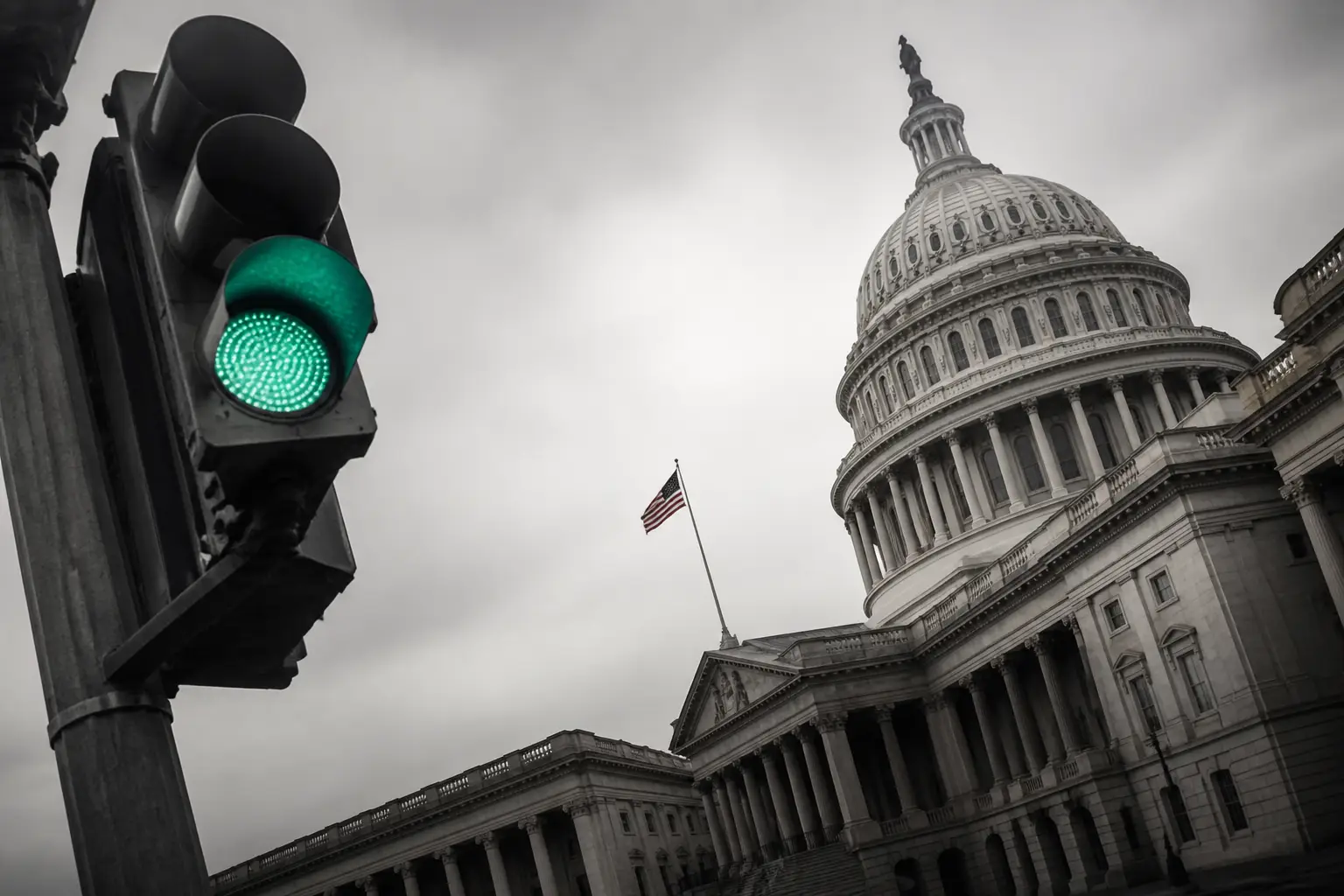
Greek Finance Minister Kyriakos Pierrakakis is cracking down on illegal gambling. 18 influencers with 3.6 million followers face investigation for unauthorized casino promotions.
In the sunny streets of Athens, there is currently unrest among those who earn their money with lifestyle content and quick advertising deals. The Greek government has taken decisive action and launched a large-scale investigation into 18 well-known influencers. These young men and women, who gather a huge following on Instagram, TikTok, and YouTube, are alleged to have heavily promoted illegal gambling platforms. Finance Minister Kyriakos Pierrakakis made it clear at a press conference of the Hellenic Gaming Commission (EEEP) on October 6 that popularity is not a free pass for law-breaking. The internet is not a jungle where rules can be ignored.
The scope of these investigations is remarkable. The 18 affected individuals combined have over 3.6 million followers on Instagram. A single one of these accounts reaches 623,000 people alone. The regulatory authority EEEP identified promotions for eleven unlicensed websites and eight unlicensed providers during its investigations. This content was specifically targeted at a young audience, which has particularly alarmed the authorities. It is no longer just about classic banner advertising on dubious websites, but about the subtle and trust-building approach by well-known faces of social media.
"The internet is not a jungle. Popularity does not confer immunity, and influence entails responsibility." - Kyriakos Pierrakakis, Minister for Economy and Finance in Greece
Numbers and facts
The economic impact of illegal gambling in Greece is enormous. It is estimated that in 2025, approximately 1.8 billion euros were wagered with illegal providers. Around 900,000 people participated in these unlicensed games. For the Greek state, this means a loss of about one billion euros in tax revenue. To get this problem under control, the EEEP has been increased in terms of personnel. The number of permanent positions was increased from 80 to 110, with 40 positions specifically designated for scientific experts and cybersecurity specialists.
The financial consequences for advertisers are drastic. The new framework provides for fines between 5,000 euros and 50,000 euros per individual violation. In addition to the influencers themselves, affiliate partners and advertising intermediaries are also being targeted. Furthermore, the government plans to block payment transactions. In the future, banks are to be obliged to prevent transactions to and from illegal platforms. This is a crucial step to financially drain the black market.
Background
Greece is pursuing the goal of becoming the first country in Europe with such a specific and tough legislative framework against illegal gambling. The authorities have already blacklisted around 15,000 websites. Nevertheless, the problem of the "Hydra" is evident: if a site is blocked, it often reappears under a new address. This is where the new investigations come in. Instead of just chasing the websites, they are now going after the advertising channels that drive customers to the providers. Minister Pierrakakis is increasingly relying on artificial intelligence and digital tools to track down networks more quickly and follow advertising paths.
Antonios Alexiou, the Deputy Director-General of the EEEP, emphasized that illegal operators specifically use social networks to increase their credibility through prominent personalities. This undermines the efforts of the regulated market, which is subject to strict player protection rules. The danger to minors in particular is in the focus of the investigators. In the future, the EEEP is to be more present on those platforms where young people hang out, in order to provide education and information about risks.
Why it matters for German players
The situation in Greece is strongly reminiscent of the challenges in Germany since the State Treaty on Gambling (GlüStV 2021) came into force. Here, too, advertising by influencers for casinos not licensed in Germany is strictly prohibited. Anyone playing in Germany should urgently ensure that the provider is on the so-called whitelist of the Joint Gambling Authority of the States (GGL). Only these providers guarantee compliance with German protection standards. These include the deposit limit of 1,000 euros per month across all providers, which is monitored by the LUGAS system, as well as the wager limit of a maximum of 1 euro per spin on virtual slot machines.
Advertising for providers without a GGL license (often with licenses from Curacao or the MGA, which are not sufficient for online casinos in Germany) can also have expensive legal consequences for German affiliates and streamers. The German GGL takes a similar approach to the Greek EEEP against illegal advertising and uses instruments such as payment blocking and IP blocking. For players, using illegal offers also means that they have no legal protection in the event of disputes and run the risk of not being paid their winnings.
What it means for GGL-licensed casinos
For licensed German casinos, the tough crackdown in Greece is a positive signal. It shows that regulatory authorities in Europe are moving closer together and are no longer letting the black market operate freely. If illegal competitors, who pay no taxes and offer no player protection, lose their advertising channels, this strengthens the legal providers. GGL-licensed casinos invest millions in security and compliance. A clean market, in which influencers are only allowed to advertise for legal and safe products, ensures fair competitive conditions and protects the reputation of the entire industry in the long term.
Frequently asked questions
Why are 18 influencers being investigated in Greece?
The influencers are suspected of actively advertising illegal gambling providers without a Greek license on platforms like Instagram and TikTok. Authorities have filed criminal complaints because these ads specifically target young people and violate the new law.
How high are the threatened penalties for illegal casino advertising?
Greek law provides for fines between 5,000 euros and 50,000 euros per violation. These sanctions can be imposed on the influencers themselves as well as on agencies and affiliate partners.
How large is the damage caused by illegal gambling in Greece?
In 2025 alone, an estimated 1.8 billion euros were wagered with illegal providers. The Greek state loses about one billion euros in tax revenue annually, while nearly 900,000 people play unprotected.
What role does the EEEP authority play in this action?
The Hellenic Gaming Commission (EEEP) leads the investigations and has increased its expert staff for cybersecurity and technology to 110 positions. It uses AI tools to track down illegal advertising networks and works closely with internet providers for blockages.
What do German players need to consider regarding casino advertising on social media?
In Germany, influencers may only advertise for casinos that have an official license from the GGL and are on the whitelist. Advertising for providers based in Curacao or Malta without a German license is illegal and indicates a lack of player protection (like the 1,000 euro limit).
Share
About the author

Lisa Lustich
Editor-in-chief & casino tester
Lisa Lustich has been testing German-language online casinos since 1997 and runs the Lustich.de newsroom. More than 400 published reviews, certified player-protection advisor (BZgA training, 2019).
All articles by Lisa Lustich →Sources & further reading
Whitelist of permitted online operators
Editorial guidelines Lustich.de
BZgA problem-gambling helpline: 0800 1 372 700
Gambling can be addictive. Please play responsibly. Help and counselling at 0800 1 372 700 (BZgA, free & anonymous).
Related topics
Further Reading
 AI-GENERATED
Goal India Updates Betting Guides Despite Stricter Federal Advertising Ban
The Indian edition of Goal continues to promote 25 betting sites with bonuses reaching 120,000 INR, defying federal restrictions active since May 2026.
 AI-GENERATED
Argentina's San Juan Province to Issue Five Online Gambling Licenses
San Juan province is moving towards a regulated iGaming market by issuing five licenses and establishing a regional self-exclusion system with neighboring provinces.
 AI-GENERATED
Trading Card Packs Should Be Classified as Gambling, Expert Leon Xiao Argues
Researcher Leon Xiao calls for stricter regulation as a study reveals 80 percent of card packs fail to disclose odds, blurring the lines of gambling.