
Genting Closes Coventry Casino Amid Machine Games Duty Tax Threat
 AI-GENERATED
Genting UK announces the closure of its Coventry venue as a proposed 40% tax hike threatens to make 13 of its 32 UK casinos unviable.
The gambling landscape in the United Kingdom is facing a significant shake-up as one of its major players, Genting Casinos, begins a tactical retreat. The company has officially confirmed the closure of its Coventry casino following a consultation period with staff. This decision is not an isolated event but rather a symptom of broader economic and regulatory pressures currently suffocating the retail casino industry. The move serves as a stark warning to the Treasury regarding the potential consequences of aggressive tax policies.
The primary driver behind this closure is the looming threat of a substantial hike in Machine Games Duty (MGD). Industry models suggest that if the government moves forward with proposals to increase this tax to as much as 40%, large portions of the land-based sector will become commercially unsustainable. Genting, which operates 32 venues across the UK, is at the forefront of this struggle, attempting to balance rising operational costs with an increasingly punitive fiscal environment.
Numbers and facts
According to Genting UK CEO Paul Willcock, the impact of the proposed tax changes is quantifiable and severe. Internal estimates suggest that the new tax regime would add an annual cost burden of £16 million to the company's balance sheet. Under these conditions, 13 of Genting’s 32 UK casinos would likely be forced to shut down. This would place at least 850 of the company’s 3,000-plus staff at risk of redundancy, along with 50 support roles based in head office functions.
The scale of Genting's contribution to the public purse is also noteworthy. The company has paid £750 million in taxes over the past decade. However, Willcock is quick to point out the limits of this revenue stream under current proposals.
"If the Government wants to keep gambling safe, regulated and free from crime, it must ensure that legitimate operators remain commercially sustainable. Policies that result in licensed casino closures do not eliminate demand; they risk driving customers towards unregulated venues where there are no safeguards, no consumer protections and no contribution to the Exchequer. Genting have paid three quarters of a billion in tax in 10 years …but you can't tax a casino that has closed." - Paul Willcock, CEO of Genting Casinos UK
Background
The closure in Coventry is the latest in a series of challenges for the operator. In 2020, Genting faced a similar crisis during the pandemic, which resulted in the loss of 1,600 jobs and the closure of venues in Bristol, Torquay, and Margate. While the pandemic was an external shock, the current crisis is seen by the industry as a self-inflicted wound caused by government policy. The Treasury is currently modeling proposals from the Social Market Foundation (SMF), a thinktank advocating for higher gambling taxes.
Beyond taxes, the industry is grappling with sharp increases in energy prices, business rates, and employment costs. Furthermore, Genting has highlighted a disturbing trend: the rise of illegal high-street casinos. The Gambling Commission has raided five such illegal operations since May, indicating that organized crime is ready to fill the void left by departing licensed operators. These illegal sites lack any form of age verification, money laundering controls, or safer gambling protections, posing a direct threat to the public.
Why it matters for German players
For players in Germany, the Genting situation is a textbook example of how regulation and taxation directly affect the availability of safe gambling environments. Germany's own Interstate Treaty on Gambling 2021 (GlüStV 2021) introduced strict measures, including the LUGAS central monitoring system and a €1,000 monthly deposit limit across all platforms. While these rules are designed to protect players, they also increase the overhead for legal operators.
If the tax burden in Germany were to mirror the extreme proposals seen in the UK, licensed GGL operators might find it difficult to maintain their services. This could push German players toward dangerous "black market" sites that do not adhere to German law. The Coventry closure reminds us that a healthy regulated market requires a balance where legal providers can still compete with unlicensed offshore sites. Always ensure you are playing on a site listed on the official GGL whitelist to maintain your legal protections.
What it means for GGL-licensed casinos
Licensed casinos in Germany must take note of these international developments. The GGL (Gemeinsame Glücksspielbehörde der Länder) enforces high standards for player protection, such as the €1 spin limit on virtual slots. If tax pressures increase alongside these restrictions, the attractiveness of the legal market diminishes. The UK case shows that when the fiscal burden becomes too high, even established giants like Genting must retract, leaving the market open to unregulated actors. Maintaining a competitive legal landscape is essential for the long-term success of the German regulatory model.
Frequently asked questions
Why is the Genting Casino in Coventry closing?
The venue is closing due to commercial pressures and the financial strain of a proposed hike in Machine Games Duty, which would make the site unviable.
How many jobs are at risk at Genting UK?
Approximately 850 casino staff and 50 support staff are at risk if the proposed tax increases go ahead across the country.
What is the proposed Machine Games Duty (MGD) rate?
Proposals from the Social Market Foundation suggest increasing the tax on slot machines to as much as 40%.
How does this affect illegal gambling?
Genting warns that closing licensed venues drives players to illegal, unregulated casinos that lack safety protections and are often linked to organized crime.
What should German players learn from this?
It highlights the importance of supporting a regulated market. Players should use only GGL-licensed sites to ensure they remain protected by German law and safety limits.
Share
About the author

Lisa Lustich
Editor-in-chief & casino tester
Lisa Lustich has been testing German-language online casinos since 1997 and runs the Lustich.de newsroom. More than 400 published reviews, certified player-protection advisor (BZgA training, 2019).
All articles by Lisa Lustich →Sources & further reading
Whitelist of permitted online operators
Editorial guidelines Lustich.de
BZgA problem-gambling helpline: 0800 1 372 700
Gambling can be addictive. Please play responsibly. Help and counselling at 0800 1 372 700 (BZgA, free & anonymous).
Related topics
Further Reading
 AI-GENERATED
EveryMatrix Debuts Fantasma Games Content with bet365 in Alberta Market
North American growth continues as EveryMatrix launches Fantasma Games titles with bet365 in Alberta following its May 2026 regulatory approval.
 AI-GENERATED
Mexico vs Chile: The Duel of Latin American Gambling Markets
A new market analysis compares Mexico's massive scale with Chile's high-quality player base. Mexico's GGR reached $1.9 billion in 2025.
 AI-GENERATED
Ocean Casino Resort Announces $14 Million High-Limit Slot Expansion
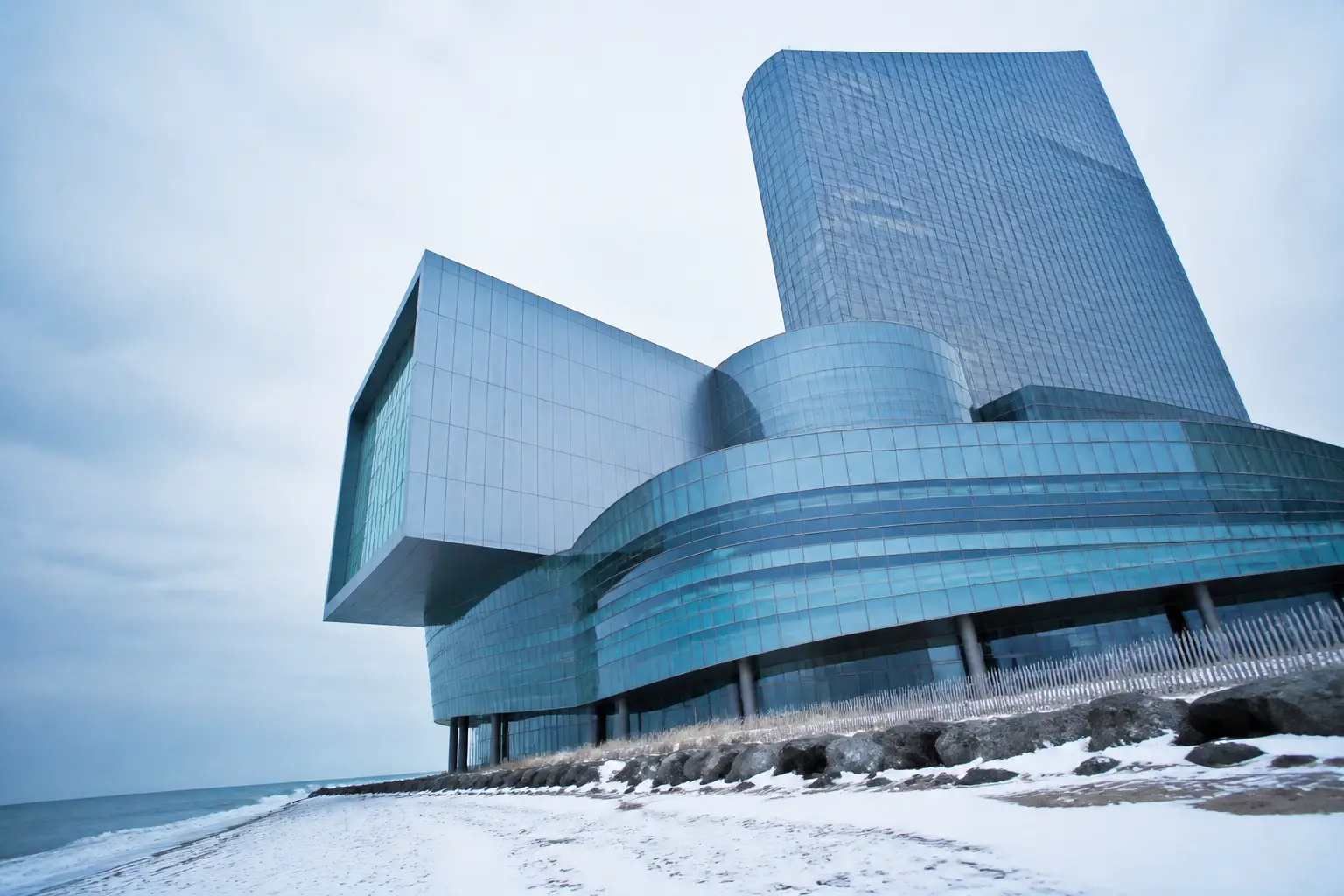
Atlantic City's Ocean Casino Resort is set to transform 'The Cove' with a $14 million investment, adding nearly 200 new high-limit slot machines by 2027.