US Tax Battle: Nevada Fights to Restore Full Gambling Loss Deductions
 AI-GENERATED
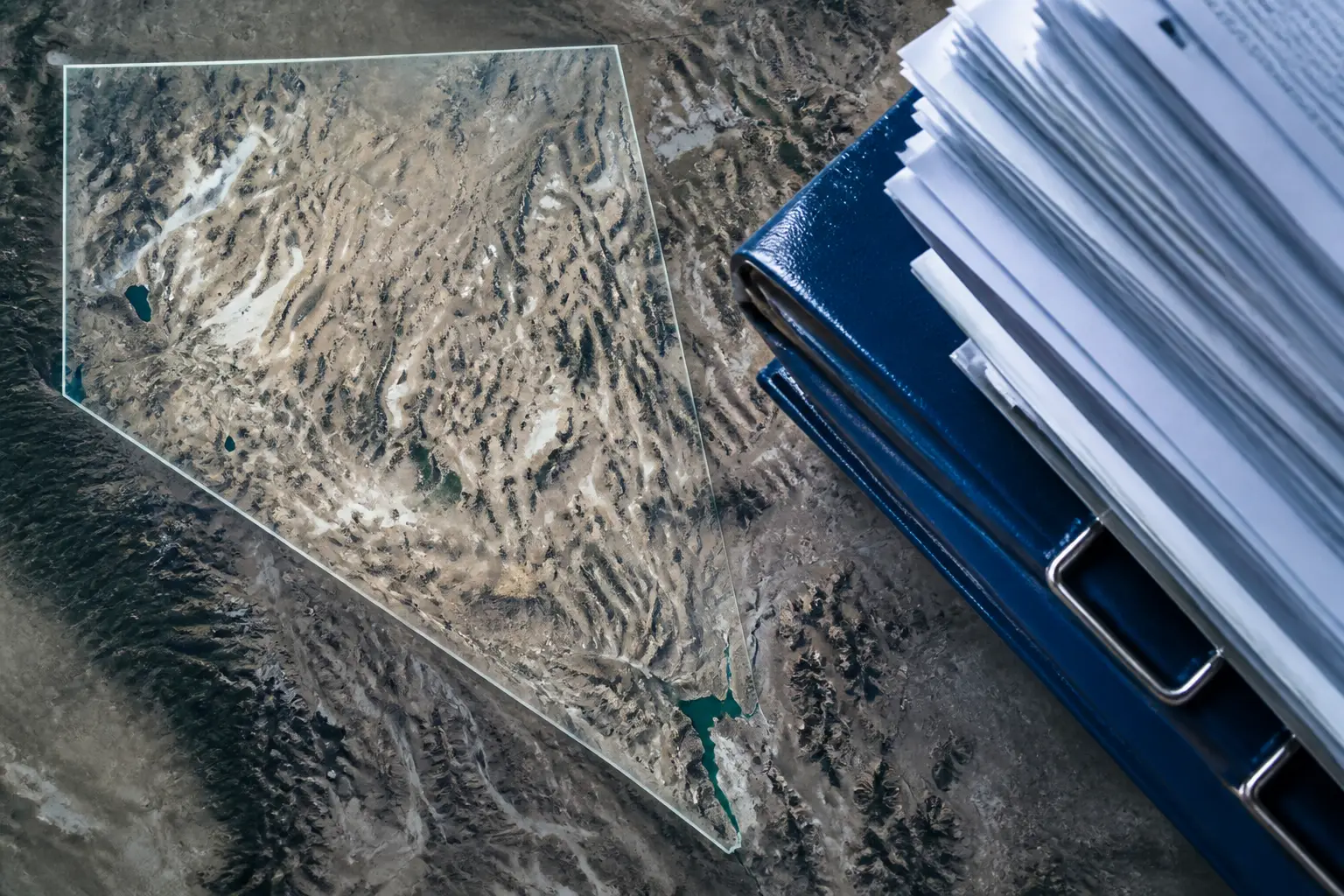
A US House panel has approved legislation to reinstate the 100% tax deduction for gambling losses, aiming to prevent the taxation of 'phantom income' starting 2027.
A significant shift in tax policy for gamblers is moving through the United States Congress. This week, the House Ways and Means Committee approved legislation designed to restore the long-standing 100% deduction for wagering losses. The move aims to reverse a provision within the One Big Beautiful Bill, which had reduced the deductible amount to 90%. Nevada lawmakers, who have championed this cause for over a year, argue that the change creates an unfair tax liability even when a player has not made a net profit.
The clock is ticking, as the revised deduction rules are scheduled to take effect on January 1, 2027. Supporters of the FAIR BET Act and the FULL HOUSE Act argue that failing to act would result in taxpayers paying taxes on "phantom money." In a state like Nevada, where the gaming and tourism sectors are vital to the economy, this is seen as a direct threat to the livelihoods of thousands of workers, from housekeepers to casino dealers.
Numbers and facts
The impact of the current 90% deduction rule is best illustrated by simple examples. A gambler with $100,000 in winnings and $100,000 in losses would technically break even. However, under the 90% rule, they could only deduct $90,000 of their losses. This leaves $10,000 as taxable income, despite the individual having no net gain. The committee's vote of 38 to 5 shows strong bipartisan support for fixing this discrepancy. The legislation currently has 25 co-sponsors and the backing of major trade associations.
Industry leaders have been vocal in their support. Craig Billings, CEO of Wynn Resorts, highlighted the importance of this step for the workforce. The American Gaming Association (AGA) also urged Congress to finalize the process to keep consumers in the legal, regulated market.
"After 14 months of fighting to get this commonsense, bipartisan fix through committee, we must now encourage the House to approve this measure before Jan. 1, 2027. This would stop the reduction to 90 percent from taking effect and ensure gamblers across the nation do not pay this tax on phantom money they never won." - Dina Titus, Congresswoman from Nevada
Background
For decades, federal tax rules allowed for losses to be deducted up to the total amount of winnings. This changed when the One Big Beautiful Bill was signed into law in July 2025. Rep. Steven Horsford, whose FULL HOUSE Act was incorporated into the broader tax package, has emphasized that his job is to protect jobs during times of economic uncertainty.
"No one should pay taxes on money they never earned. This is about the workers supporting their families, the small businesses keeping their doors open, and the communities that make Nevada home." - Steven Horsford, Congressman from Nevada
Why it matters for German players
While this is a US-based legislative battle, the principles of fair gambling taxation resonate globally. In Germany, the regulatory environment is governed by the Interstate Treaty on Gambling 2021 (GlüStV 2021). Unlike the US system where individuals must report winnings and deduct losses, German players generally do not pay income tax on gambling winnings. Instead, the government levies a 5.3% tax on stakes for online slots and poker, which is paid by the operator.
German players must adhere to a €1,000 monthly deposit limit across all licensed platforms, monitored by the LUGAS system. There is also a €1 stake limit per spin on virtual slot machines. For German residents, the key takeaway is to only use operators on the GGL whitelist. Playing at MGA or Curacao-licensed sites offers no legal protection and circumvents the consumer safeguards intended by German law.
What it means for GGL-licensed casinos
For GGL-licensed casinos, the US debate highlights how tax policy can impact the attractiveness of the legal market. If taxes or deduction rules become too burdensome, players are often driven toward the unregulated black market. The AGA's warning about phantom income is a reminder that excessive taxation can undermine the goals of regulation. In Germany, licensed operators already face high pressure due to the stake tax and strict player protection measures. Maintaining a fair balance is crucial to keeping the legal market sustainable and ensuring that players remain within the protected GGL framework.
Frequently asked questions
Do US players have to pay taxes on their losses?
No, they don't pay taxes on losses directly, but under the law set for 2027, they can only deduct 90% of losses against winnings. This means they could owe taxes on the remaining 10% of their winnings even if they didn't make a profit overall.
What is the FAIR BET Act?
It is a legislative proposal aimed at restoring the 100% tax deduction for gambling losses in the US. It seeks to prevent the taxation of ficitonal income that results from restricted loss deductions.
Which companies support the new tax bill in the US?
Major gaming companies like MGM Resorts, Caesars Entertainment, and Wynn Resorts support the bill. Industry groups like the American Gaming Association are also advocating for its passage to protect the legal market.
Is there a similar tax for gambling in Germany?
In Germany, gambling winnings for casual players are generally tax-free under income tax law. However, operators pay a 5.3% tax on every stake placed in online slots and poker, which often affects the payout rates for players.
How can I identify a legal online casino in Germany?
A legal casino must be listed on the official whitelist of the Gemeinsame Glücksspielbehörde der Länder (GGL). These sites follow strict rules, including a €1,000 monthly deposit limit and a €1 maximum stake per slot spin.
Share
About the author

Lisa Lustich
Editor-in-chief & casino tester
Lisa Lustich has been testing German-language online casinos since 1997 and runs the Lustich.de newsroom. More than 400 published reviews, certified player-protection advisor (BZgA training, 2019).
All articles by Lisa Lustich →Sources & further reading
Whitelist of permitted online operators
Editorial guidelines Lustich.de
BZgA problem-gambling helpline: 0800 1 372 700
Gambling can be addictive. Please play responsibly. Help and counselling at 0800 1 372 700 (BZgA, free & anonymous).
Related topics
Further Reading
 AI-GENERATED
Fabio Tiberia Appointed Vice President LATAM at BetConstruct
Technology giant BetConstruct has named Fabio Tiberia as its new VP for Latin America. Tiberia brings 16 years of experience in the Brazilian iGaming market.
 AI-GENERATED
Elon Musk's X Sues Duel.com Founder Over Bribery and Account Hacking Allegations
X Corp. has filed a lawsuit against Ossi Ketola, alleging he offered bribes up to $300,000 to employees to manipulate accounts like @duel and @monarch.
 AI-GENERATED
Police Operation at Casino Zurich: Heavily Armed Officers Secure Gambling Hall
Zurich city police have cordoned off the local casino with submachine guns following an undisclosed incident. While guests are still allowed entry under strict controls, the background remains mysterious.