
UK Conservatives Propose Gambling Ban for Welfare Recipients
 AI-GENERATED
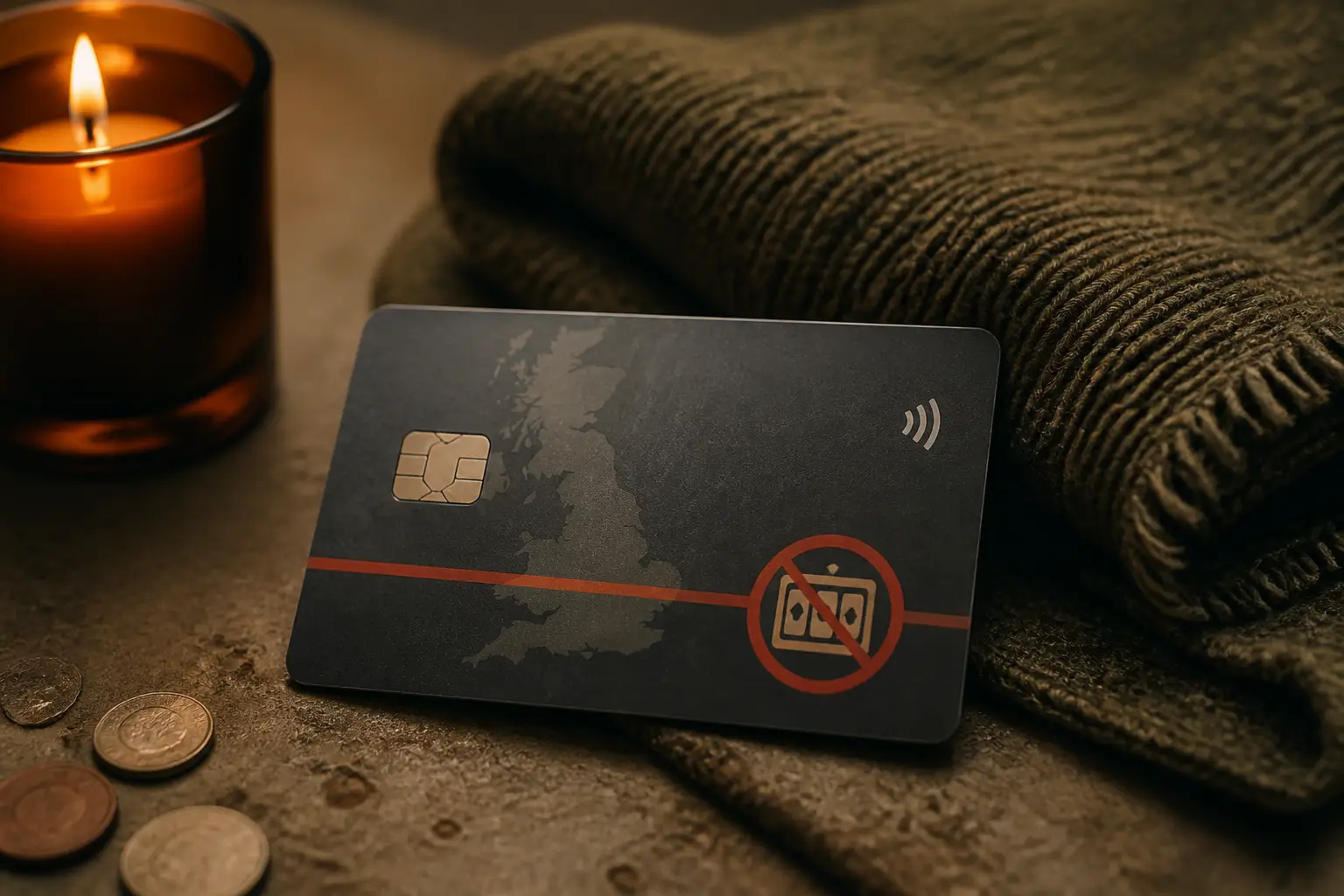
The UK Conservative Party is proposing a 'Back to Work' card for the long-term unemployed, blocking spending on gambling and alcohol to save £538 million annually.
A significant shift in British welfare policy is being proposed as the Conservative Party outlines measures to prevent unemployment benefit claimants from spending state funds on gambling. The proposal centers on a new "Back to Work" payment card designed for individuals who have been unemployed for more than six months and are deemed fit for work. This card would feature technological restrictions to block purchases of gambling products, alcohol, and tobacco, while also preventing cash withdrawals. The move is presented as a way to ensure taxpayer money is used for essentials and to create stronger incentives for returning to the workforce.
Under these plans, claimants who lack a sufficient employment contribution record would face a 30% reduction in their Universal Credit entitlement. These individuals would receive a lower "Subsistence Allowance," representing 70% of the standard payment, administered through the restricted card. Conservative leader Kemi Badenoch has framed the policy as a matter of fairness to the working population. She argues that welfare should function as a temporary safety net rather than a permanent lifestyle choice for those capable of employment.
"The best welfare is a well-paid job. So, we will be tough on those who exploit the system because the current system is unfair to workers, taxpayers and those who truly need support." - Kemi Badenoch, Leader of the Conservative Party
Numbers and facts
The financial implications of the proposal are substantial, with the Conservatives estimating annual savings of approximately £538 million. The party expects around 350,000 people to be affected by the move to the lower allowance rate. To protect those with a history of employment, the plan includes a provision where every two years of prior work grants an additional year of full Universal Credit entitlement. This ensures that someone like a 58-year-old who has worked their entire life before being made redundant would retain their full allowance until retirement age. However, those without such a record would be immediately subject to the new restrictions if they remain out of work for over six months.
Reaction to the proposal has been starkly divided. The Labour Party dismissed the plan as unworkable and a distraction from the Conservatives' 14-year record in government. Anti-poverty campaigners have also voiced alarm. Helen Barnard, director of policy and research at the charity Trussell, described the plans as deeply misguided, noting that current benefit levels already struggle to cover essentials like food and heating. She warned that further hardship could damage claimants' health and undermine their ability to actually find and maintain new employment.
Background
Restrictions on welfare spending for gambling are not a new concept globally. Countries like Brazil and Singapore have already implemented similar bans, and Armenia is set to introduce a ban in January 2027. Cyprus is also reportedly evaluating the feasibility of such measures. Within the UK, the debate coincides with potential tax increases for the gambling sector. While the current Labour government under Prime Minister Andy Burnham has expressed a desire to reduce welfare spending, they have so far distanced themselves from "crude cuts" and card-based restrictions. Nevertheless, Chancellor John Healey is said to be considering a rise in Machine Games Duty for the upcoming budget, indicating a generally tougher environment for the industry.
Shadow Home Secretary Chris Philp further clarified the party's stance on Times Radio, highlighting the issue of benefit recipients with criminal records. He argued that it is morally wrong for taxpayer money to be spent on "booze and gambling," especially by those who have broken the law. Philp suggested that restricted payment cards, similar to those used for asylum seekers, are a reasonable tool to ensure fiscal responsibility.
"[Tax payers’] money should not be spent by criminals on booze and gambling." - Chris Philp, Shadow Home Secretary
Why it matters for German players
While the UK proposal does not directly affect German law, it mirrors a broader European and global trend toward stricter monitoring of gambling-related financial flows. In Germany, the 2021 State Treaty on Gambling (GlüStV 2021) already provides a robust framework for player protection. Although there is no specific ban for welfare recipients, the central LUGAS system and the OASIS ban file monitor all licensed gambling activities. The strict €1,000 monthly deposit limit and the €1 limit per spin on virtual slots already act as indirect barriers to excessive spending. For German players, the primary takeaway is the importance of using GGL-licensed operators, as only these platforms enforce the mandatory safety standards designed to prevent financial overextension.
What it means for GGL-licensed casinos
German operators under GGL regulation must adhere to rigorous identity and creditworthiness checks. The British debate might eventually spark similar discussions in Germany regarding the origin of funds for low-income players. Currently, German law focuses on cross-operator limits rather than spending categories based on income type. However, a technological solution like the proposed British card would be difficult to implement in Germany due to strict data protection laws. Licensed casinos remain responsible for identifying signs of problem gambling, and a move toward categorical spending bans in neighboring markets like the UK could lead to increased regulatory scrutiny on how German operators handle players from vulnerable socioeconomic backgrounds.
Frequently asked questions
What is the proposed Back-to-Work card in the UK?
It is a restricted payment card for the long-term unemployed that technically blocks purchases of gambling products, alcohol, and tobacco. It also prevents cash withdrawals to ensure benefits are spent on essentials.
How much money does the Conservative Party aim to save?
The party estimates annual savings of approximately £538 million. This would be achieved by moving around 350,000 people to a reduced allowance rate.
Are there similar gambling bans for welfare recipients in other countries?
Yes, Brazil and Singapore already have such measures. Armenia is scheduled to implement a ban in January 2027, and Cyprus is also considering similar legislation.
What are the main criticisms of this proposal?
Critics from the Labour Party and charities like Trussell argue the plan is unworkable and will increase hardship for vulnerable families. They suggest that cutting benefits further makes it harder, not easier, for people to return to work.
Can welfare recipients in Germany legally gamble online?
There is no specific legal ban for welfare recipients in Germany. However, all players in GGL-licensed casinos are subject to the €1,000 monthly deposit limit and monitoring via the LUGAS and OASIS systems to prevent problem gambling.
Share
About the author

Lisa Lustich
Editor-in-chief & casino tester
Lisa Lustich has been testing German-language online casinos since 1997 and runs the Lustich.de newsroom. More than 400 published reviews, certified player-protection advisor (BZgA training, 2019).
All articles by Lisa Lustich →Sources & further reading
Whitelist of permitted online operators
Editorial guidelines Lustich.de
BZgA problem-gambling helpline: 0800 1 372 700
Gambling can be addictive. Please play responsibly. Help and counselling at 0800 1 372 700 (BZgA, free & anonymous).
Related topics
Further Reading
 AI-GENERATED
Malta Tax Overhaul: New VAT and Gaming Tax Rules Effective from October
Malta has implemented significant changes to its gaming tax and VAT framework as of October 1, 2026, aiming to clarify exemptions and streamline reporting.
 AI-GENERATED
US Regulator CFTC Files New Prediction Market Rules for White House Review
The CFTC aims to clearly separate casino products from prediction markets. Meanwhile, CBS News is already using Kalshi data for the 2026 elections.
 AI-GENERATED
Tribal Gaming Leaders Unite Against Prediction Markets as Sovereignty Threat
The Indian Gaming Association (IGA) is rallying tribal nations to oppose prediction markets that offer sports betting disguised as financial products.