Bulgarian Ad Ban and bet365 Job Cuts Shake European iGaming Market
 AI-GENERATED
Bulgaria proposes a near-total ban on gambling ads, while bet365 cuts 340 roles due to tax hikes. The FATF also issued new red flag indicators for money laundering.
The European gambling market has experienced a surge in regulatory and corporate activity during the second week of September 2026. In Bulgaria, political momentum is building behind a legislative push to remove gambling advertisements from public life, potentially altering the industry's operations permanently. At the same time, major operators are grappling with the fallout of national fiscal policies, leading to significant job losses at bet365. These events suggest that the era of unfettered growth in Europe is increasingly being replaced by regulatory hurdles and rising operational costs.
Of particular concern to international observers is the latest report from the Financial Action Task Force (FATF). For the first time since 2009, the organization has conducted a detailed examination of risks within the online sector, identifying five categories of red flag indicators. The report makes it clear that illegal markets in many jurisdictions now rival or even exceed the size of the legal offering. This forces national authorities to fundamentally reconsider their monitoring mechanisms to protect the integrity of the financial system.
Numbers and facts
The raw data illustrates the current fragmentation of the market. Playtech increased its adjusted EBITDA by an impressive 77% to €162.5 million in the six months ending June 30, 2026. This success was primarily driven by the B2B division in the US and Canada, where revenue jumped 161% to €56.9 million. In contrast, bet365 confirmed on September 8, 2026, that it would cut approximately 340 roles. This represents about 3% of its global workforce, with 300 positions being eliminated at its Stoke-on-Trent headquarters. The primary driver is the increase in UK Remote Gaming Duty from 21% to 40%, which took effect on April 1, 2026.
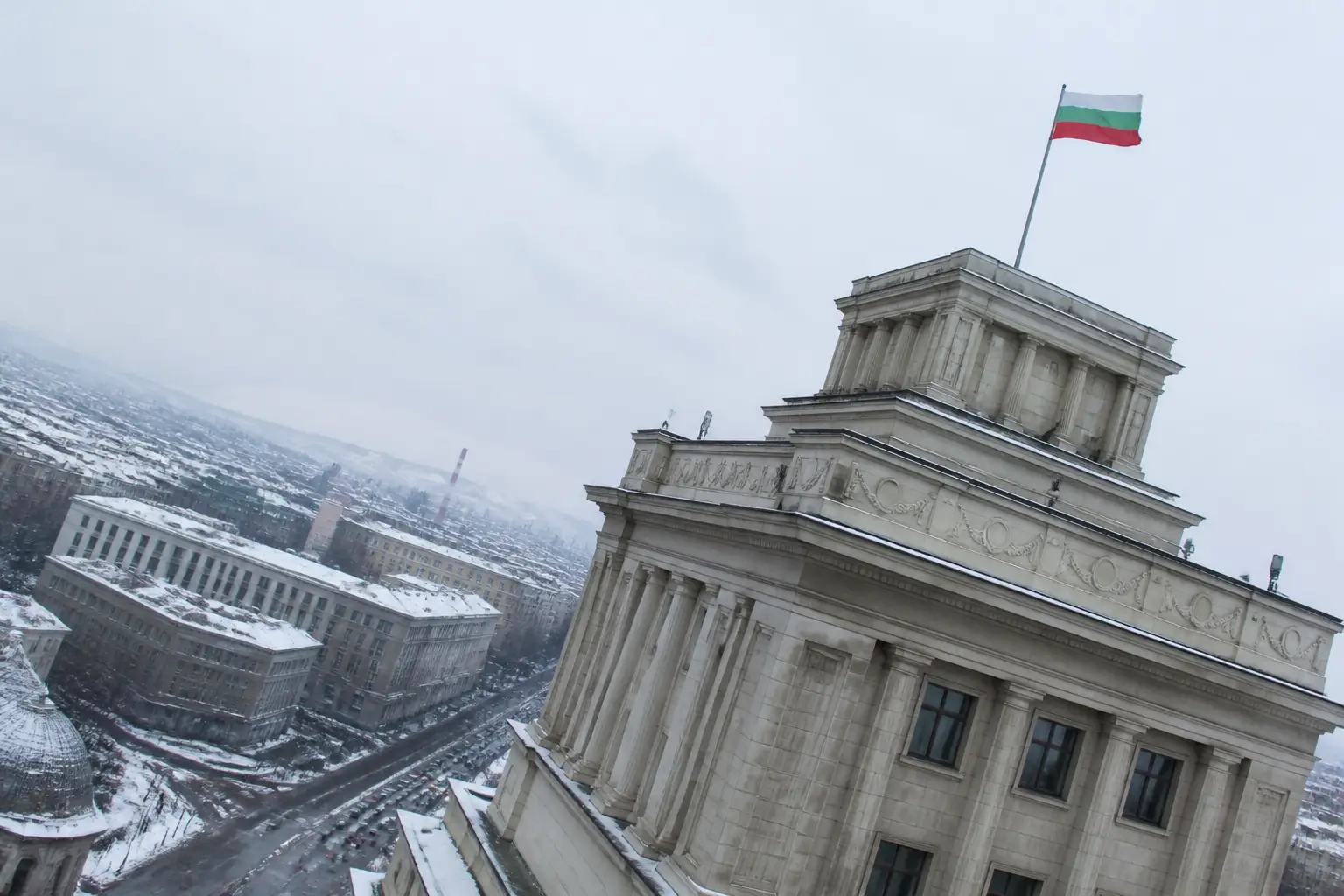
In Bulgaria, the bill filed on September 9, 2026, registered as 52-654-01-130, aims for a near-total ban. Previously, a 5% cap on outdoor advertising space applied to gambling, but now billboards, banners, and digital ads on websites and apps are set to disappear entirely. Even direct contact via text or email is on the prohibited list. The National Revenue Agency (NRA) will oversee enforcement and can order the suspension of access to online services for up to one month in cases of non-compliance.
Background
The initiative by the Democratic Bulgaria party in the 52nd National Assembly is a reaction to growing concerns over player protection. Existing exemptions, such as allowing billboards more than 300 meters from schools, are to be removed. This reflects a pan-European trend where governments are attempting to drastically reduce the visibility of betting in public spaces. Similar debates are ongoing in Germany, where the focus remains heavily on channelization into the legal market.
The FATF study, based on responses from 80 jurisdictions, underscores the necessity of these measures.
"The FATF asks governments to strengthen licensing and registration requirements, raise awareness of illegal and offshore gambling, and deepen international co-operation." - FATF Risk Report Summary, September 9, 2026
In Germany, an investigation by the Frankfurt Public Prosecutor’s Office has caused a stir. Between July 2021 and the end of 2023, approximately €5.86 billion in wagers were processed through illegally operated platforms. This massive figure calls into question previous estimates regarding the size of the German black market.
Why it matters for German players
For German players, these international developments mean that pressure on unlicensed providers will continue to mount. The German Interstate Treaty on Gambling 2021 (GlüStV 2021) already imposes strict rules, such as the €1,000 monthly deposit limit across all providers, monitored by the LUGAS system. Those who play with providers without a GGL license are entering what the FATF has now explicitly flagged as a high-risk zone for money laundering. Furthermore, the Frankfurt investigation shows that the black market remains active despite regulation, which could force the Joint Gambling Authority of the States (GGL) to implement even tougher measures against IP blocking and payment processing. German customers should ensure they only play with providers on the official whitelist to maintain legal safety and benefit from player protections, such as the €1 per spin limit on slots.
What it means for GGL-licensed casinos
Licensed casinos in Germany must prepare for increasing monitoring requirements. The FATF’s "red flag" indicators are likely to be integrated into GGL compliance guidelines. Since the Frankfurt investigation demonstrated how much money flows past the legal market, a tightening of advertising controls, similar to what Bulgaria is currently proposing, is to be expected. Operators active in both the UK and Germany are also under financial pressure due to British tax hikes, which could influence bonus offers and marketing budgets locally. Transparency in payment flows will become the most critical asset to avoid regulatory scrutiny.
Frequently asked questions
Why is bet365 laying off so many employees?
The primary reason is the massive tax increase in the United Kingdom. Remote Gaming Duty rose to 40% in April 2026, and Gambling Commission license fees are set to increase by 25% in October.
What does the new advertising ban in Bulgaria include?
The bill proposes a total ban on gambling ads on billboards, websites, and apps. Direct contact via email or SMS would also be prohibited, with the tax authority empowered to block internet access for violators.
What risks did the FATF identify in the online gambling sector?
The FATF defined five categories of money laundering red flags, including unusual betting patterns and suspicious payment transactions. It emphasized that illegal markets often match the size of the legal sector.
How large is the black market in Germany according to new findings?
An investigation by the Frankfurt Prosecutor's Office revealed that between July 2021 and late 2023, approximately €5.86 billion in stakes were wagered on illegal platforms. The DSWV is calling for a review of market statistics.
How can I identify a legal online casino in Germany?
Legal providers must hold a license from the Joint Gambling Authority of the States (GGL) and appear on the official whitelist. These casinos follow GlüStV 2021 rules, including LUGAS connectivity and a €1 stake limit for slots.
Share
About the author

Lisa Lustich
Editor-in-chief & casino tester
Lisa Lustich has been testing German-language online casinos since 1997 and runs the Lustich.de newsroom. More than 400 published reviews, certified player-protection advisor (BZgA training, 2019).
All articles by Lisa Lustich →Sources & further reading
Whitelist of permitted online operators
Editorial guidelines Lustich.de
BZgA problem-gambling helpline: 0800 1 372 700
Gambling can be addictive. Please play responsibly. Help and counselling at 0800 1 372 700 (BZgA, free & anonymous).
Related topics
Further Reading
 AI-GENERATED
Illegal Gambling Ring Busted in Warsaw: Belarusian Nationals Among 16 Detained
Polish authorities seized 85 illegal slot machines worth over 1 million zlotys and detained 16 individuals in a major crackdown across Warsaw.
 AI-GENERATED
New Jersey Proposes Credit Card Ban for Online Gambling Accounts
A legislative bill introduced in New Jersey aims to prohibit the use of credit cards for online casino and sports betting to prevent gambling debt, involving oversight from the DGE.
 AI-GENERATED
Gambling Commission Official Forced to Clarify Stance After Prohibition Comments
James Reade, Chief Economist of the Gambling Policy Commission, had to distance himself from old tweets where he called gambling 'socially undesirable' and compared it to smoking.