ACT Gambling Reform: Mandatory Cashless Play and Total ATM Ban in Canberra
 AI-GENERATED
The Australian Capital Territory plans to slash the number of poker machines to 1,000 by 2045 and enforce identity-linked cashless gaming accounts.
A significant transformation is coming to the gambling landscape in Canberra. Minister for Gaming Reform Marisa Paterson introduced a bill to the ACT Legislative Assembly on 20 October, coinciding with Gambling Harm Action Week. The Gaming Machine (Harm Prevention and Reduction) Amendment Bill 2026 is designed to replace traditional cash-based play with a mandatory account-based system. This move seeks to address the significant social costs associated with electronic gaming machines, commonly known as pokies, by integrating identity verification and strict financial controls directly into the gameplay experience.
Under the new framework, players will no longer be able to walk into a venue and play anonymously. Instead, they must apply for an account and undergo a rigorous identity check to receive a player card. This card will be the only way to activate a gaming machine, turning account-based play from an option into a requirement. This digital shift allows for better monitoring of gambling behavior and ensures that harm prevention measures are applied to every individual user. It reflects a growing global movement toward transparent and traceable gambling transactions.
Numbers and facts
The scale of the proposed hardware reduction is substantial. The ACT government aims to limit the total number of poker machines in the territory to just 1,000 by the year 2045. To achieve this, the bill outlines a process of compulsory surrender where 500 authorizations must be returned every four years. The first of these surrender rounds is scheduled for 2029, providing clubs and venues a transition period to adjust their business models and upgrade their technology systems.
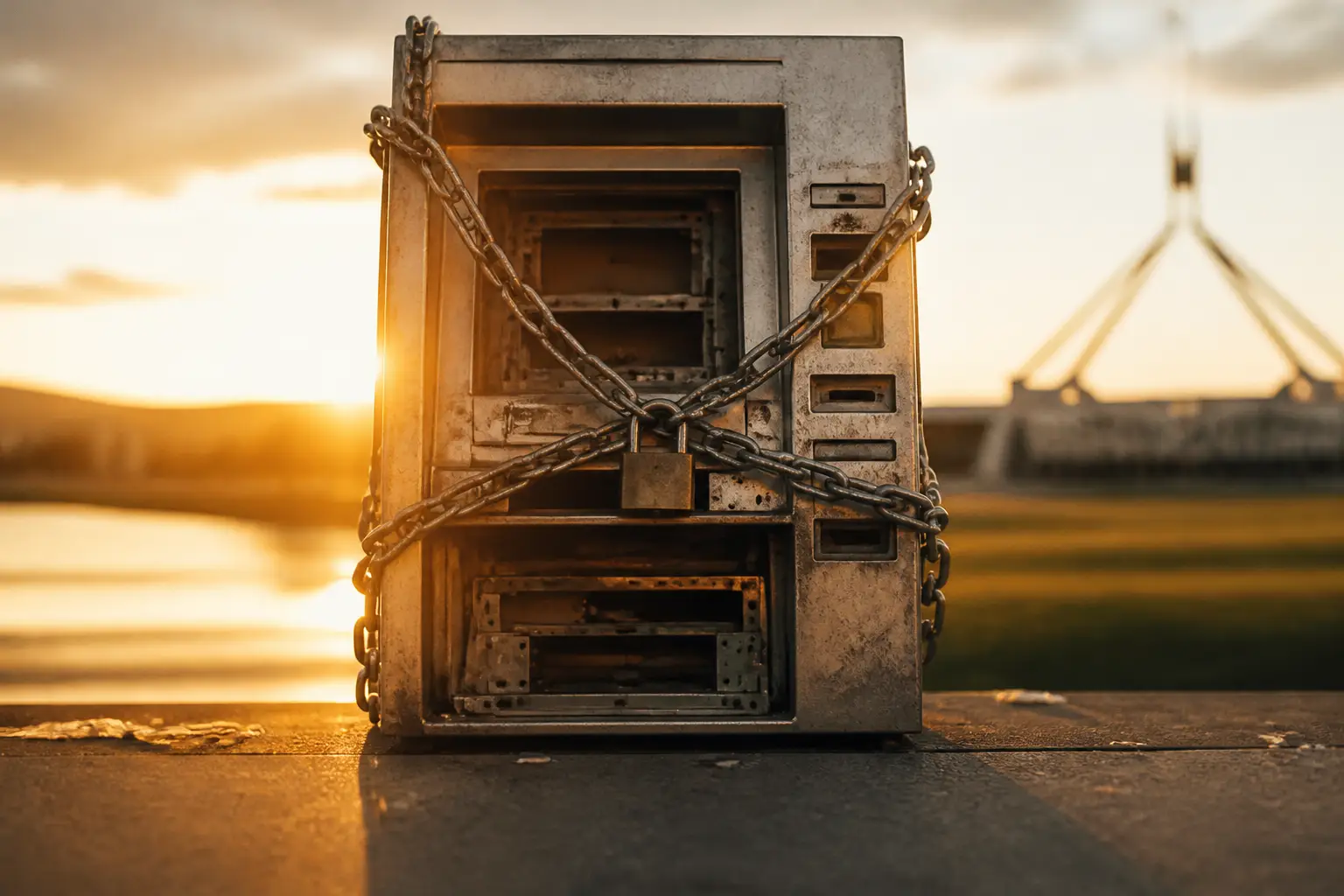
One of the most drastic changes is the total ban on ATMs at any premises containing gaming machines. Currently, regulations allow for daily withdrawals of up to $250. The new law will replace this cap with a zero-tolerance policy for on-site cash access. Furthermore, players must set a net loss limit upon opening their account. While limits can be lowered instantly, any request to increase a limit will be subject to a 48-hour delay to prevent impulsive decisions during a session. Additionally, the bill mandates a 15-minute break for every hour of continuous play.
„The amendments include issues regarding access to machines, control measures for the players, and access to cash in gaming venues.“ - Marisa Paterson, Minister for Gaming Reform
Background
The policy shift is heavily informed by the 2024 ACT Gambling Survey. The data revealed a troubling reality: 1 out of every 6 adults in the territory has experienced some form of harm due to gambling. Poker machines were identified as a primary driver, contributing to approximately one-third of the territory's total gambling harm burden. The government formulated these amendments after consulting with a dedicated Cashless Gaming Working Group, which included representatives from community organizations, academia, and the gaming industry via the Gaming Technologies Association.
Despite the rigor of the bill, some advocacy groups believe the protections should be even stronger. The Alliance for Gambling Reform, while welcoming the legislation, has called for legally binding loss limits and extended shutdown periods for machines. They argue that voluntary measures are often insufficient and that the system should be designed to prioritize player well-being over industry profits. The bill does include significant penalties for licensees, particularly concerning the issuance of player cards to minors or allowing them to access the account-based system.
Why it matters for German players
For players in Germany, these developments in Australia serve as a parallel to the strict regulations implemented under the State Treaty on Gambling 2021 (GlüStV). Germany has already pioneered many of these concepts, such as the LUGAS monitoring system and the OASIS player blocklist. The transition to account-based, verified play in Canberra is very similar to the requirement for German players to register and verify their accounts before accessing online slots. The focus on limiting impulsive behavior through technical barriers is a shared priority between the two jurisdictions.
While the ACT focuses on a physical machine reduction and an ATM ban, German regulation centers on a 1,000 Euro monthly deposit limit and a 1 Euro maximum stake per spin for online slots. The Australian move demonstrates that the era of anonymous, high-frequency gambling is coming to an end in many Western democracies. For German users, this reinforces the importance of playing only at GGL-licensed casinos, where similar safety nets are already fully operational and legally enforced.
What it means for GGL-licensed casinos
Casinos licensed by the Gemeinsame Glücksspielbehörde der Länder (GGL) can view these international reforms as a validation of the high standards required in the German market. The shift toward cashless, identity-verified gambling in Canberra proves that the German model of player accounts and central monitoring is becoming the international gold standard for harm reduction. Operators who have invested in robust compliance systems for the German market are well-positioned to navigate this global trend, whereas unlicensed operators from jurisdictions like Curacao or Malta may find their business models increasingly marginalized by such stringent state-level interventions.
Frequently asked questions
Why are ATMs being removed from gambling venues in Canberra?
The government aims to prevent impulsive behavior where players withdraw more cash after losses. The current $250 daily limit will be replaced by a total ban on all ATMs within gaming premises.
How does the new cashless system for poker machines work?
Players must apply for an account and undergo identity verification to receive a mandatory player card. Machines will only be operable with this card, effectively ending anonymous cash play.
What time-based restrictions are included in the new bill?
The law mandates a 15-minute break for every hour of play. Furthermore, any request to increase a player's net loss limit will only take effect after a 48-hour cooling-off period.
By when will the number of gaming machines be reduced?
The target is to have only 1,000 machines in the territory by 2045. This will be achieved through compulsory surrender rounds of 500 authorizations every four years, starting in 2029.
What does this development mean for the German gambling market?
This reform reflects the strict standards of the German GlüStV 2021. In Germany, ID checks, LUGAS connectivity, and monthly deposit limits are already mandatory to ensure a safe environment at GGL-licensed providers.
Share
About the author

Lisa Lustich
Editor-in-chief & casino tester
Lisa Lustich has been testing German-language online casinos since 1997 and runs the Lustich.de newsroom. More than 400 published reviews, certified player-protection advisor (BZgA training, 2019).
All articles by Lisa Lustich →Sources & further reading
Whitelist of permitted online operators
Editorial guidelines Lustich.de
BZgA problem-gambling helpline: 0800 1 372 700
Gambling can be addictive. Please play responsibly. Help and counselling at 0800 1 372 700 (BZgA, free & anonymous).
Related topics
Further Reading
 AI-GENERATED
Nigel Farage Lands in Gibraltar to Battle UK Gambling Tax Hikes
Reform UK leader Nigel Farage discusses strategies with Gibraltar officials to mitigate a potential doubling of the UK gambling tax to 40 percent.
 AI-GENERATED
Kalshi Challenges Louisiana Authorities While Alberta Sees iGaming Success
Kalshi files a preemptive lawsuit in Louisiana over enforcement threats as Alberta reports 122.1 million CA dollars in revenue.
 AI-GENERATED
Gambling Conflict: Trump and NFL Clash Over Multibillion-Dollar Market
The future of US sports betting faces a showdown between President Trump and the NFL. Last season alone, $30 billion was wagered on NFL games.